

The advantage of living under the First Amendment is that it allows you to speak, write and worship as you please. But there's also a problem with living under the First Amendment: Sooner or later, it's going to protect someone you detest.
Some conservative Christian towns don't want mosques. Some liberals wouldn't mind blocking the Westboro Baptist Church's anti-gay demonstrations. Some whites regard Black Lives Matter protesters as dangerous extremists. Anti-Trump Americans see MAGA crowds the same way.
The price of being able to advocate your beliefs and practice your religion, or your irreligion, is that people with starkly incompatible beliefs and gods are able to do the same. It's a trade-off not everyone accepts.
Among them are leftists such as Georgetown law Prof. K-Sue Park. She has criticized the American Civil Liberties Union for defending the rights of right-wingers, arguing that doing so "perpetuates a misguided theory that all radical views are equal."
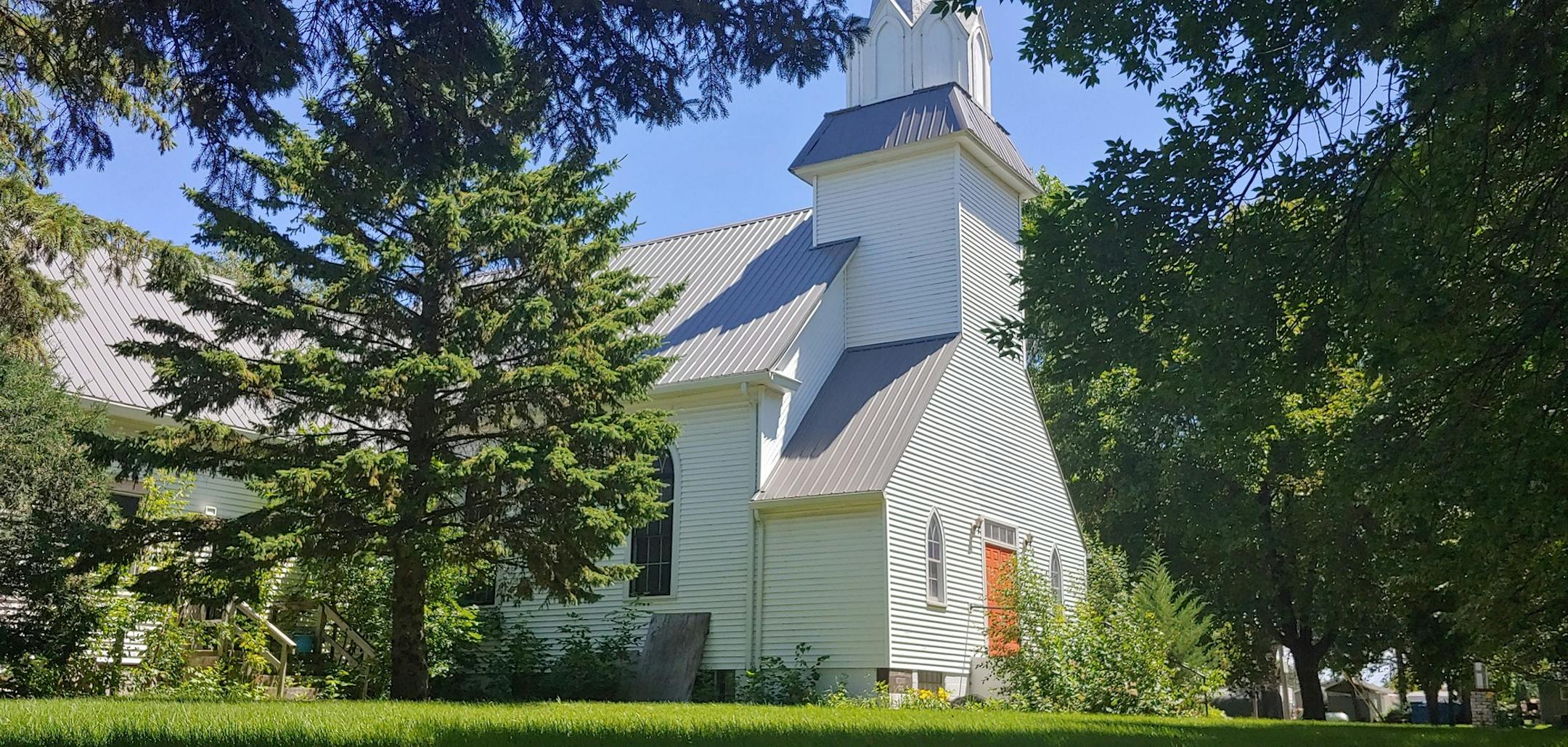
The awkward effects of the First Amendment are visible in the Minnesota town of Murdock, where a white supremacist group that presents itself as a religious sect bought an old church to serve as its base. Some residents regard the intrusion as harmful to their welfare and the values of the community, according to a story in the Washington Post, and urged the City Council to deny a permit to the Asatru Folk Assembly (AFA). But the council, fearing a costly lawsuit that it would lose, voted to grant it.
Christian Duruji, who is Black, told the Post, "I fail to see how a group that would reject me on sight and view my daughter as an aberration not to be celebrated" would be good for Murdock. Northwestern sociologist Laura Beth Nielsen lamented, "In the big picture, the First Amendment is reinforcing who already has power."
But freedom of expression is good for every town. And it's hard to make the case that much power lies in a fringe group claiming to practice an ancient Nordic faith that few people have ever heard of.
White people often benefit from the First Amendment because there are lots of white people in America and some have opinions that would not come out of Fred Rogers' mouth. But the same protection extends to other groups that lack political or economic might.


