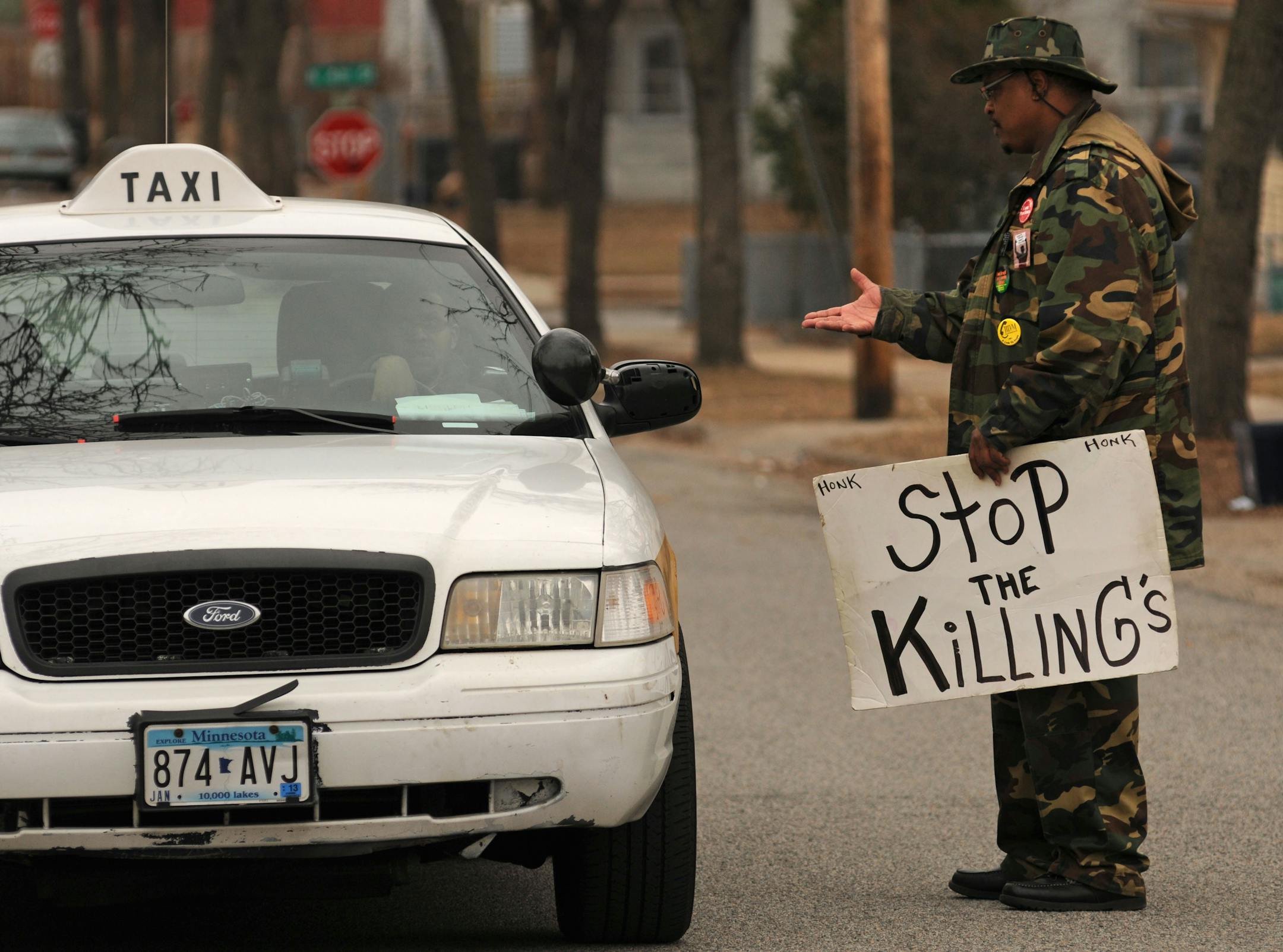
When I answered the phone, north Minneapolis activist KG Wilson warned me before our conversation started.
"Anybody knows," he said, "don't call me unless you want the truth!"
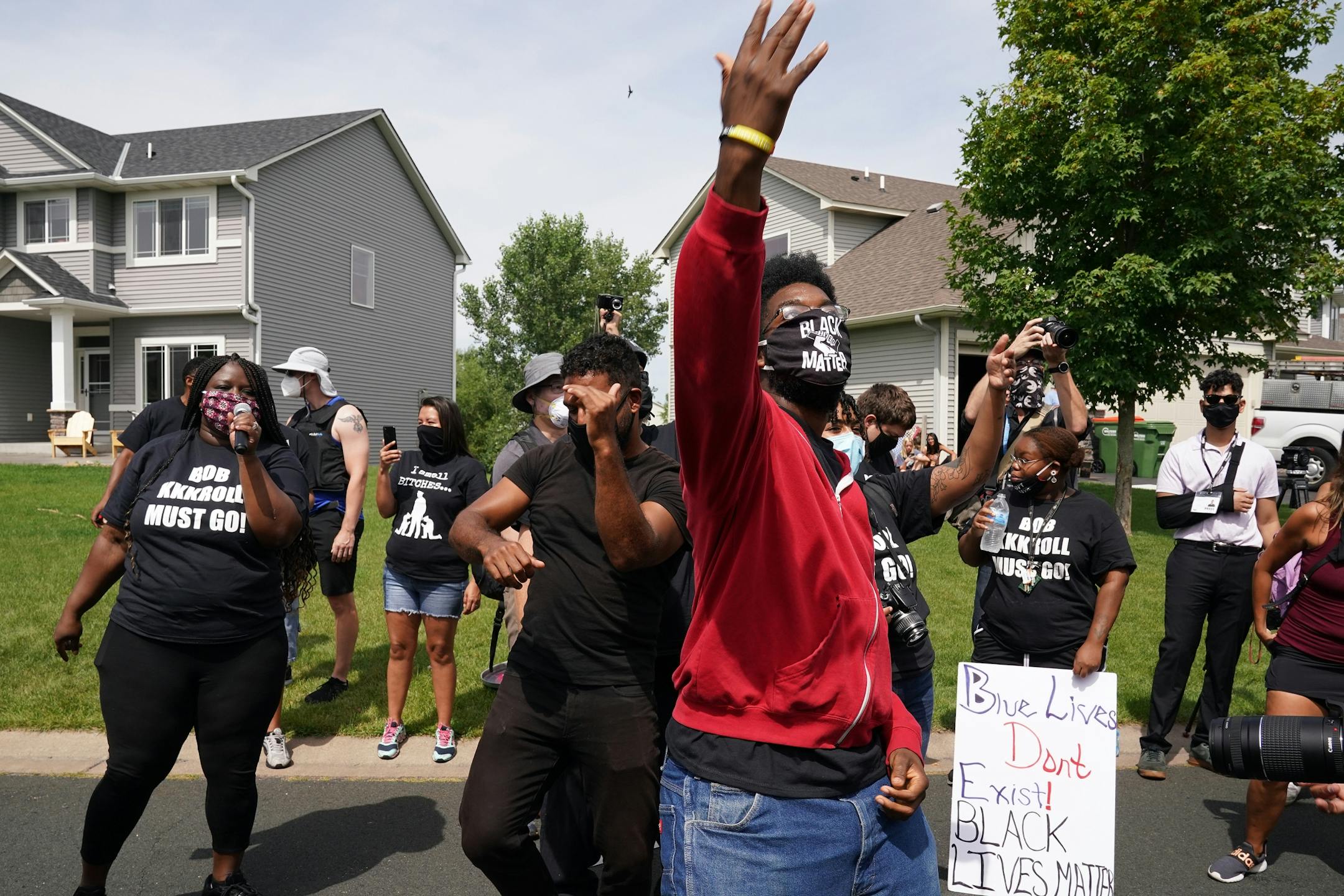
I could hear the emotion in his voice as he listed the killings he'd protested over the years in his effort to end Black-on-Black crime in the Twin Cities. He said he's stood alone on quiet street corners to draw attention to the heinous acts that have robbed young Black men and women of their lives. He's also questioned the support for mass protests against police killings of unarmed minorities, an energy that's often missing at his rallies.
"Many people will say, Black Lives Matter only comes out when there is a police-involved shooting," he told me. "But I tell them that's because that's what they do. That's their focus and mission. That's not what I do. I deal with what we don't want to talk about."
That's a discussion that's percolated in the Black community for ages. Have we devoted enough energy toward the always-pressing issue of violence? I respect Wilson's position. He's devoted his time to change.
But I also refuse to engage another element that's grown louder since the protests over the killing of George Floyd: the "What about Black-on-Black crime?" crowd. Recently, a video on the Star Tribune's website featured a conversation between a Minneapolis police officer and a protester at the site of Dolal Idd's deadly encounter with officers, reportedly during an attempted gun sting. "How many homicides?" the officer asked. "You don't protest that. Your city is burning and you don't care about that."
I question the intent of those who employ that rhetoric in these moments.
After each Sunday column, I get e-mails from white readers who prefer I opine about violence in Black communities, absentee fathers, educational challenges and their other long-held talking points to support their negative views of minorities. I ignore them because they're not worth my time or yours. Let me explain.