

By Maura Lerner maura.lerner@startribune.com
The University of Minnesota is launching a new program to help low-income students, in connection with a special White House summit on higher education.
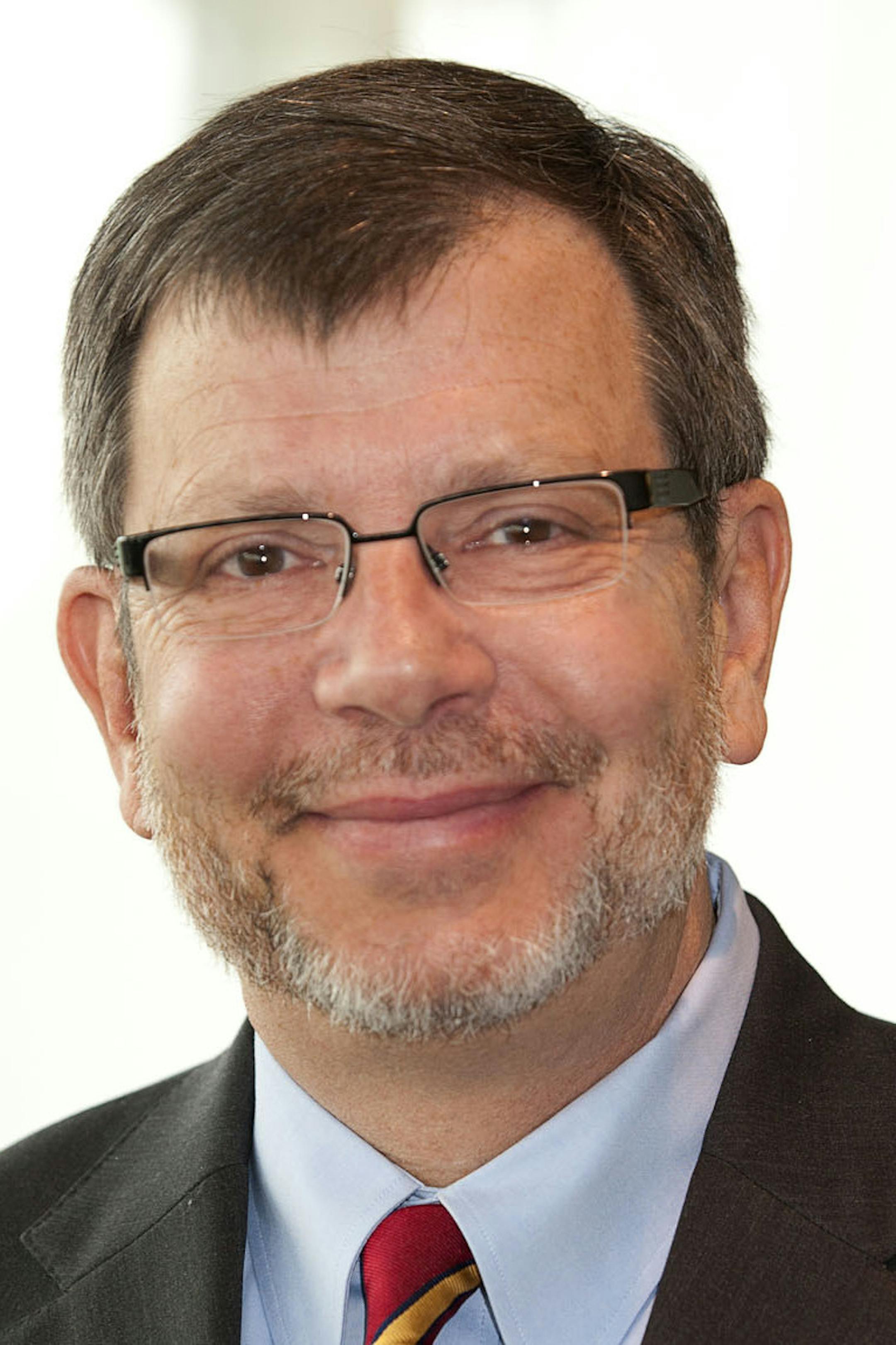
University President Eric Kaler, who is scheduled to attend Thursday's summit, said the program is designed to "lower the barriers for low-income students to attend the U and obtain their degrees."
About 1,100 students a year on the Twin Cities campus will be eligible for the program, called "Retaining all our Students."
Open to students who qualify for federal Pell grants, it will include a special summer seminar to help freshmen prepare for their first year at the university.
It will also offer a "financial literacy" program for students and families, expanded academic advising, and peer tutoring in courses such as math, economics, chemistry and writing.
"The University of Minnesota is committed to paving the road to prosperity for young people with limited means," Kaler said in a statement. "We're all in."
Kaler will be among a group of college and university presidents gathering in Washington D.C., for the White House event, which will be streamed live starting at 8 a.m. at www.whitehouse.gov/live.


