

WASHINGTON — The White House on Thursday blocked the release of audio from President Joe Biden's interview with a special counsel about his handling of classified documents, arguing that Republicans in Congress only wanted the recordings ''to chop them up'' and use them for political purposes.
Hours later, the House Judiciary Committee voted to advance an effort to hold Attorney General Merrick Garland in contempt of Congress for not turning over the records. A second vote was scheduled for later Thursday with the House oversight committee. But the timing of any action by the full House, and the willingness of the U.S. attorney's office to act on the referral, remained uncertain.
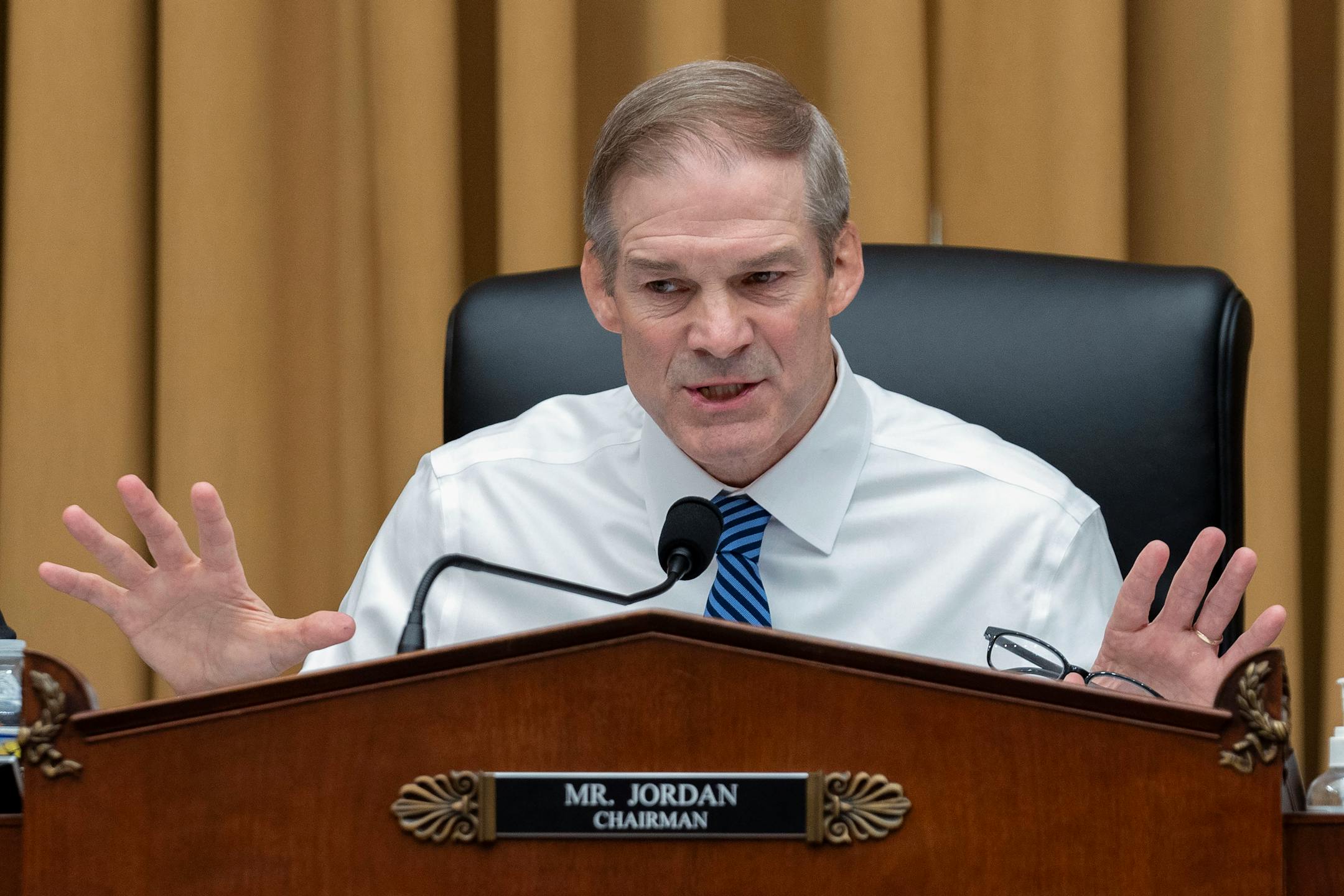
''The department has a legal obligation to turn over the requested materials pursuant to the subpoena,'' Rep. Jim Jordan, the GOP chairman of the Judiciary Committee, said during the hearing. ''Attorney General Garland's willful refusal to comply with our subpoena constitutes contempt of Congress.''
The rapid sequence of events Thursday further inflamed tensions between House Republicans and the Justice Department, setting the stage for another round of bitter fighting between the two branches of government that seemed nearly certain to spill over into court.
If House Republicans' efforts against Garland are successful, he will become the third attorney general to be held in contempt of Congress. The White House slammed Republicans in a letter earlier Thursday, dismissing their efforts to obtain the audio as purely political.
''The absence of a legitimate need for the audio recordings lays bare your likely goal — to chop them up, distort them, and use them for partisan political purposes," White House counsel Ed Siskel wrote in a scathing letter to House Republicans ahead of scheduled votes by the two House committees to refer Garland to the Justice Department for the contempt charges.
''Demanding such sensitive and constitutionally-protected law enforcement materials from the Executive Branch because you want to manipulate them for potential political gain is inappropriate,'' Siskel added.
Garland separately advised Biden in a letter made public Thursday that the audio falls within the scope of executive privilege, which protects a president's ability to obtain candid counsel from his advisers without fear of immediate public disclosure and to protect confidential communications relating to official responsibilities.


