

The amount of groundwater near White Bear Lake that the Department of Natural Resources has allowed cities and well owners to pump is sustainable and will be for years to come, according to a court-ordered study released Tuesday by the DNR.
The $250,000 study found that a district court judge's controversial irrigation ban, which would automatically trigger when the lake drops below a certain level, will have little noticeable effect on water levels because the lake naturally rises and falls.
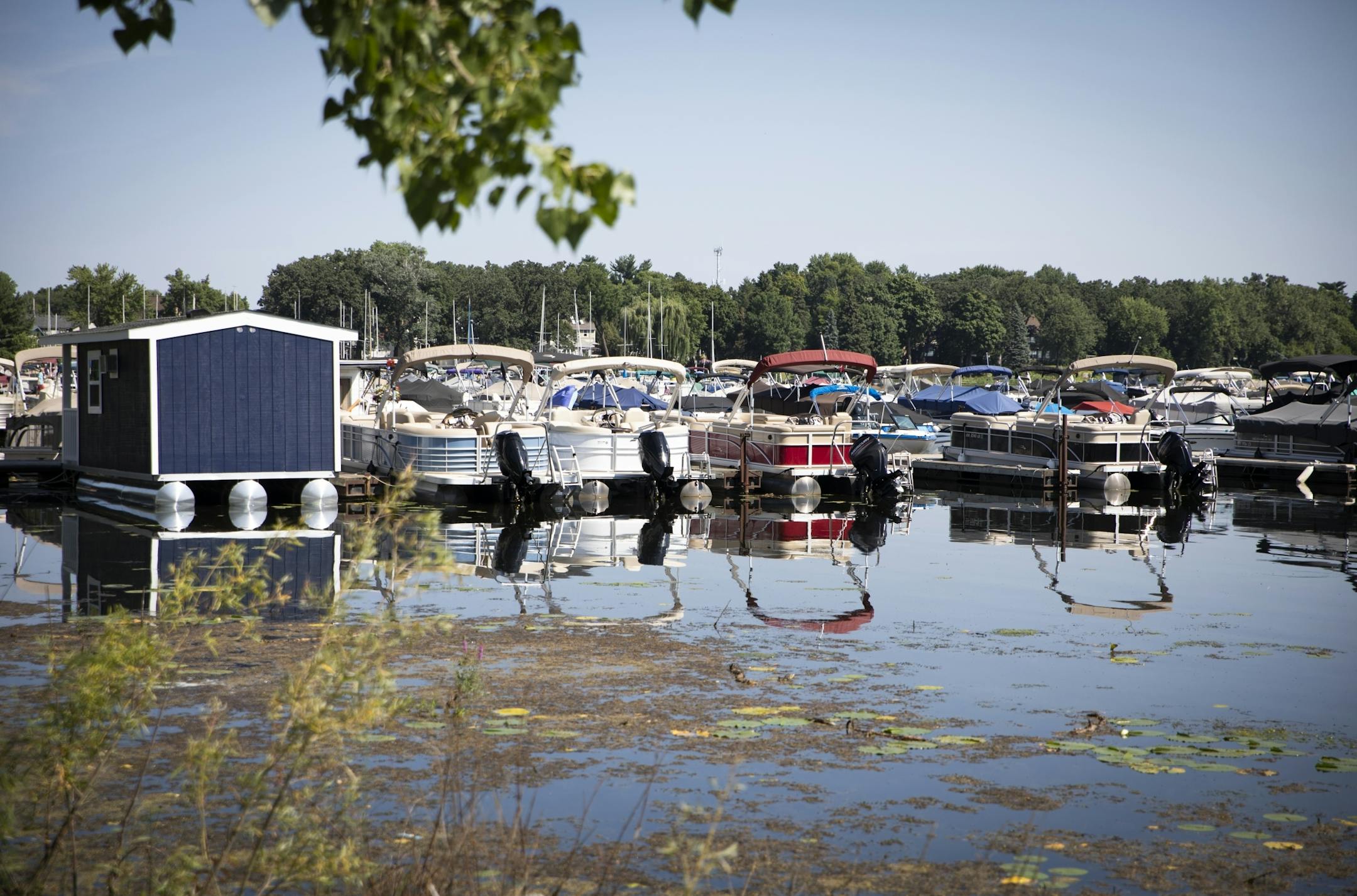
The study shows that groundwater pumping has lowered White Bear Lake's levels by up to 4 feet during some of the lake's driest periods of the last 20 years. That drop has affected recreational use of the lake, forcing the closing of beaches and extension of boat docks.
Barb Naramore, assistant DNR commissioner, said the impact on recreation "is of concern to the department and is something we do seek to support. We will continue working with permit holders to evaluate ways we may be able to address it."
But it isn't a threat to the lake's ecological health or its future as a water supply, she said.
The DNR said the study shows that the well permits it issued have met the state's four standards of sustainability: that the maximum permitted groundwater use in White Bear Lake not jeopardize future groundwater supply, harm the ecosystem, degrade the quality of water or lower groundwater levels beyond the reach of public water supplies or private wells.
Greg McNeely, chairman of the restoration association whose suit against the DNR resulted in the judge's order, said the study's sustainability conclusions are a continuation of the DNR's same arguments that were rejected in court.
"The studies and evidence brought forward by experts, including the [U.S. Geological Survey], were overwhelming," McNeely said. "The lake is not sustainable."


