It was supposed to be the biggest snowstorm the Twin Cities had seen in more than six years. But instead of the "potent" snowfall the National Weather Service had predicted, nary a flake fell across the metro.
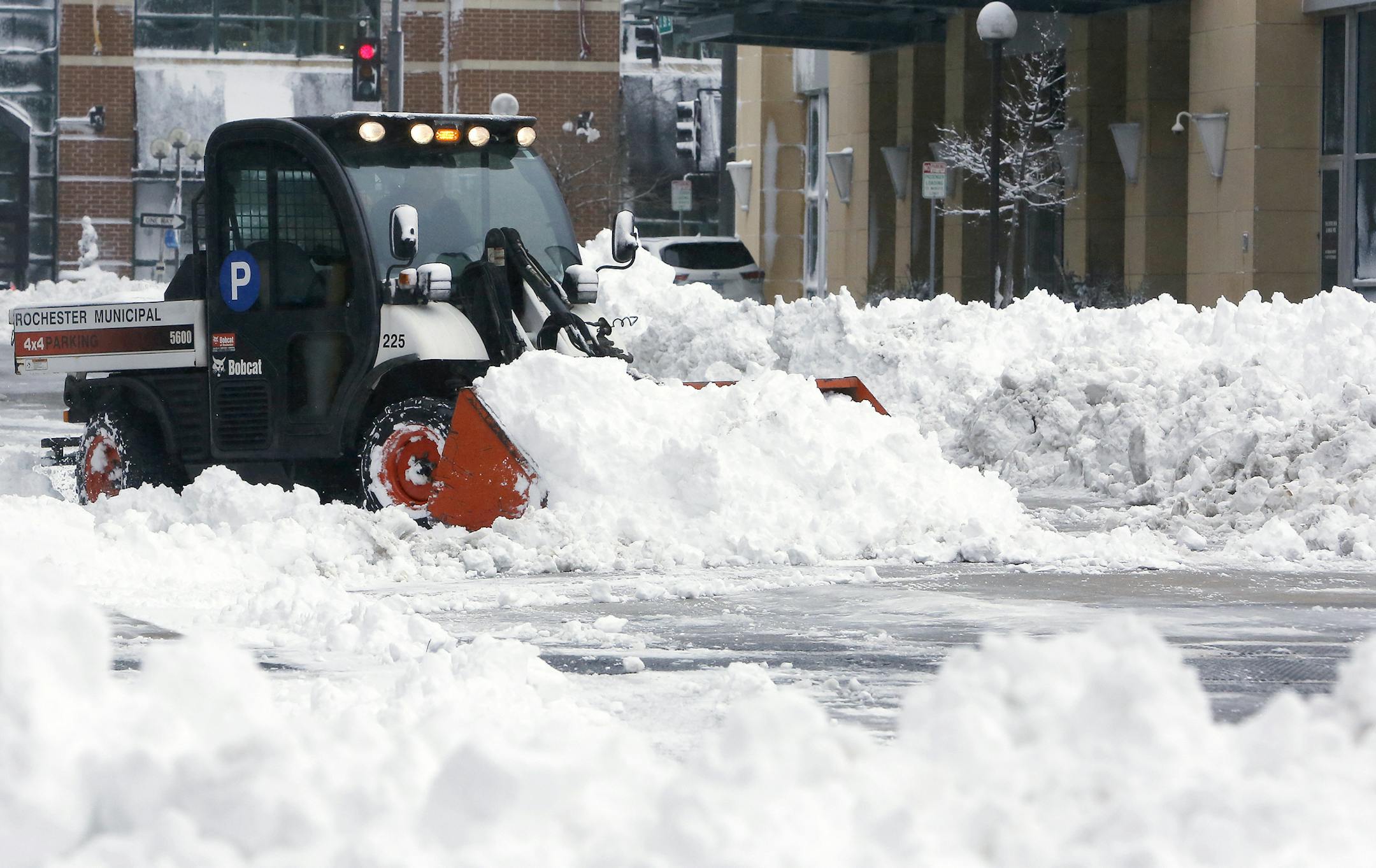
But 50 miles to the southeast, residents spent Friday digging out from more than a foot of snow in some places.
Sorry about that, the Weather Service said in a letter to Minnesota and Wisconsin residents posted on social media Friday afternoon, as it explained the tricky nature of predicting such storms.
"We realize many people made or changed plans based on our forecasts," the letter read. "We sympathize with those of you out there who are disappointed with the initial forecasts that didn't work out. We promise to evaluate our messaging and forecasts this week, and continually work to provide you with the best information we possibly can."
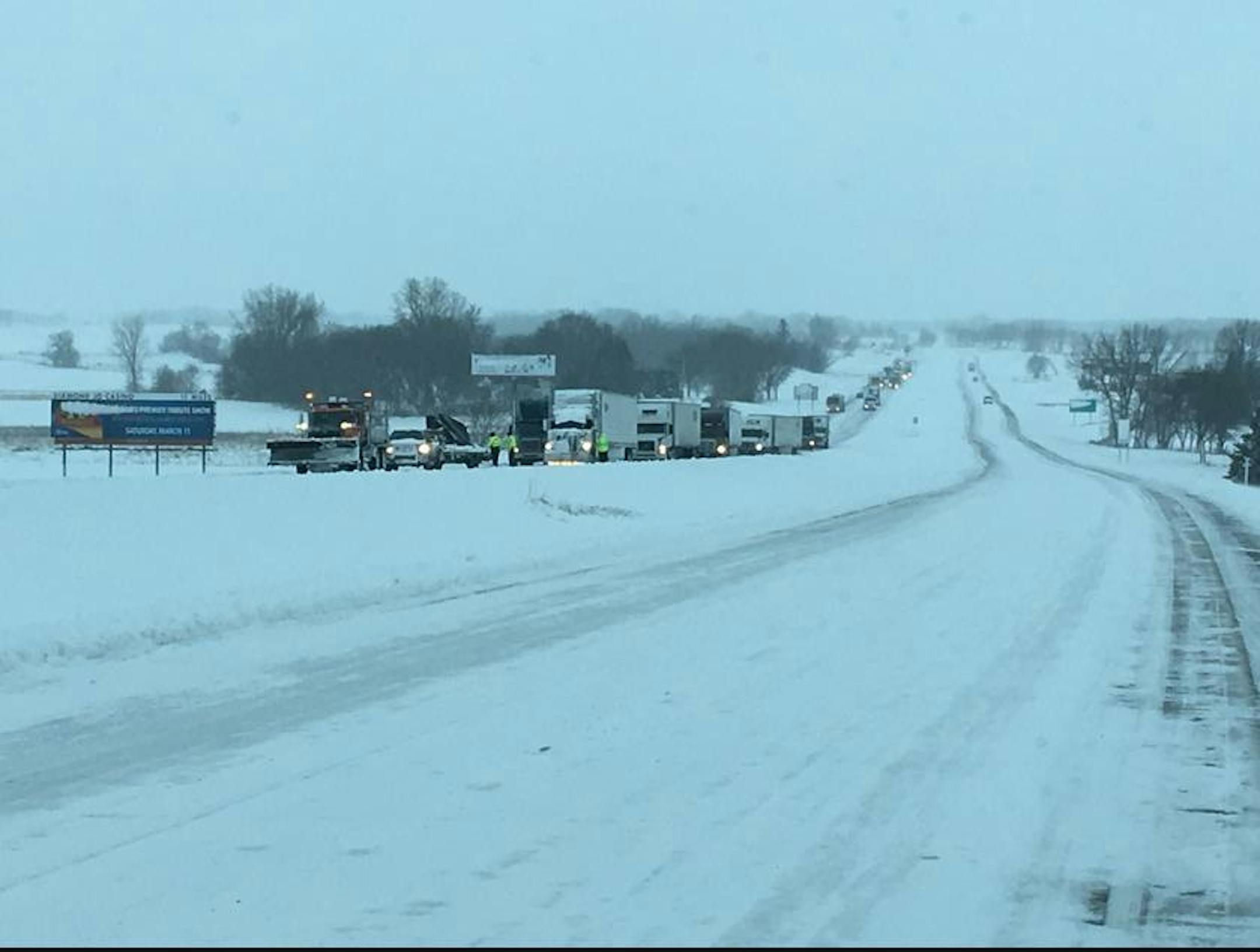
While the storm missed the metro and places desperate for snow — such as Cable, Wis., where this weekend's American Birkebeiner ski races had to be called off — the forecast for extreme snow came true across south-central and southeastern Minnesota, where schools and businesses closed and travel was treacherous.
The big storm didn't miss the metro by much, the Weather Service pointed out. "There is also a remarkably small transition zone from heavy snow to absolutely zero snowfall," it explained.
Flakes came as close as Hastings in the far southeastern part of the metro, and up to an inch fell just across the border in the Wisconsin towns of River Falls and Roberts. Just a few miles to the south, the landscape was a winter wonderland in Red Wing, Lake City, Faribault, Northfield, Owatonna, Rochester and Winona. Kenyon, in Goodhue County, was the snowfall leader with 14 inches.
From the metro, "you can drive south on I-35 and might say, 'What is the fuss?' " said Weather Service meteorologist Mike Griesinger. "Then you hit the Northfield exit and it turns white, and by Faribault you have over 8 inches on the ground. Conditions got bad pretty quick."