

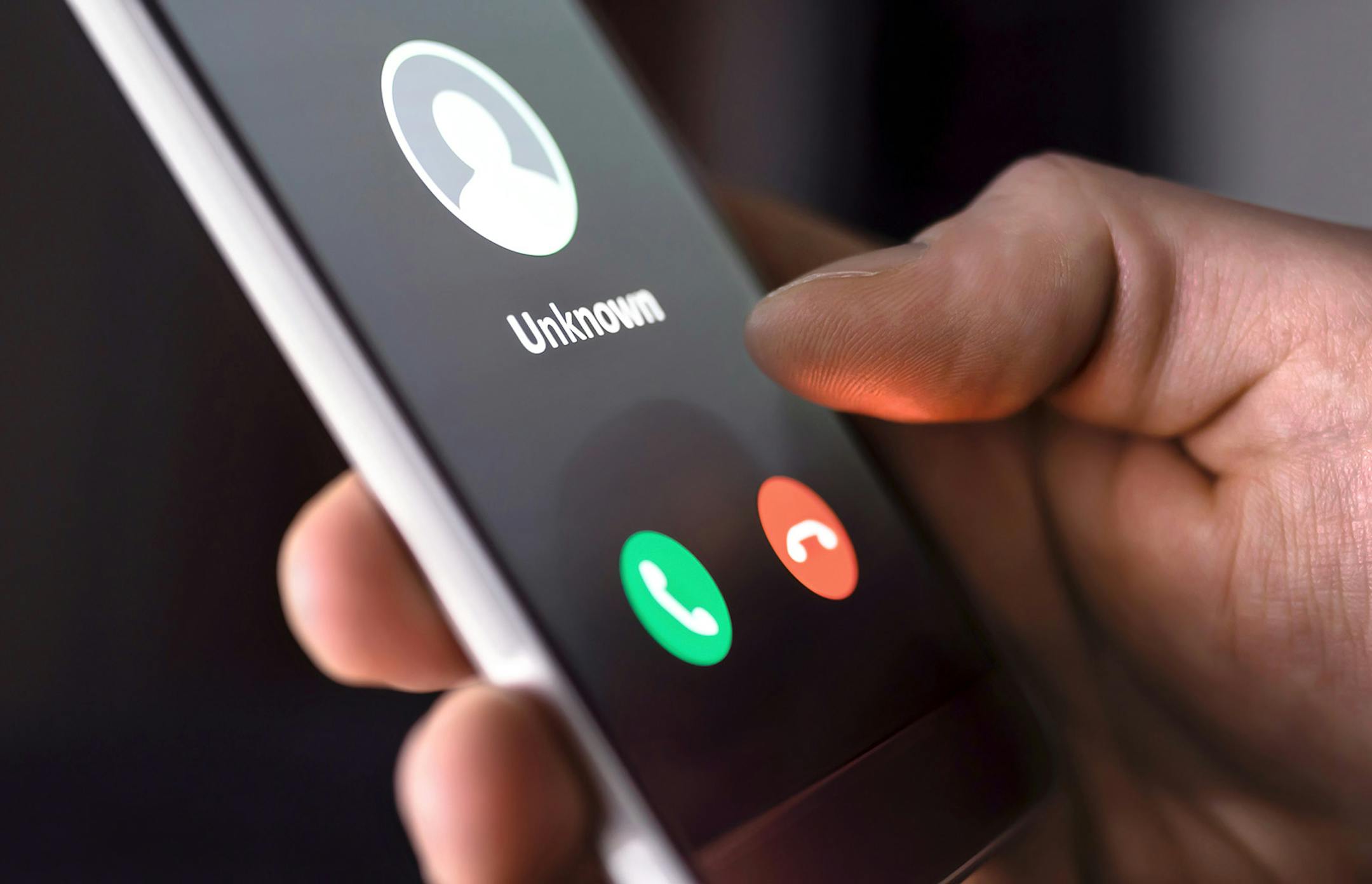
Let's find something fun to talk about.
Really, we need a little break. The top topics for civic discussion right now are the pandemic, climate change and collapsing infrastructure. It's summer, but baseball games keep getting postponed when somebody tests positive for the coronavirus. Broadway is all but closed. There's nothing much on TV except the Olympics, and the Olympics are kind of depressing.
So let's complain about … robocalls!
Among the nonlethal problems currently facing the nation, robocalling looms large just for raw irritation. Really large. According to the call-blocking company YouMail, Americans got about 4.4 billion robocalls in June — seriously. This is up from a mere 4 billion in May.
The government has been trying to rein in robocalling, one way or another, since the 1990s. But with little success. Any chance you remember the birth of the National Do Not Call Registry in 2003? Ten million people signed up in the first few days.
We felt like such an in-crowd. Unfortunately, the Federal Trade Commission found enforcement impossible, and being a Do Not Caller seemed like it made no practical difference whatsoever. Still, maybe we could all get together in a couple of years for our 20th reunion.
Plus Congress had passed the Telephone Consumer Protection Act, which limited the use of automatic dialing systems, prerecorded messages and all the things you've come to hate in an unsolicited phone call.
But this spring — in a decision one critic claimed "reads like a brief from a telemarketers' trade association" — the Supreme Court decided the act didn't really hold up. The decision was, unsurprisingly, pretty complicated. But the bottom line was that nobody needs your permission to put your phone number on an automatic dialer.


