

Opinion editor's note: Editorials represent the opinions of the Star Tribune Editorial Board, which operates independently from the newsroom.
•••
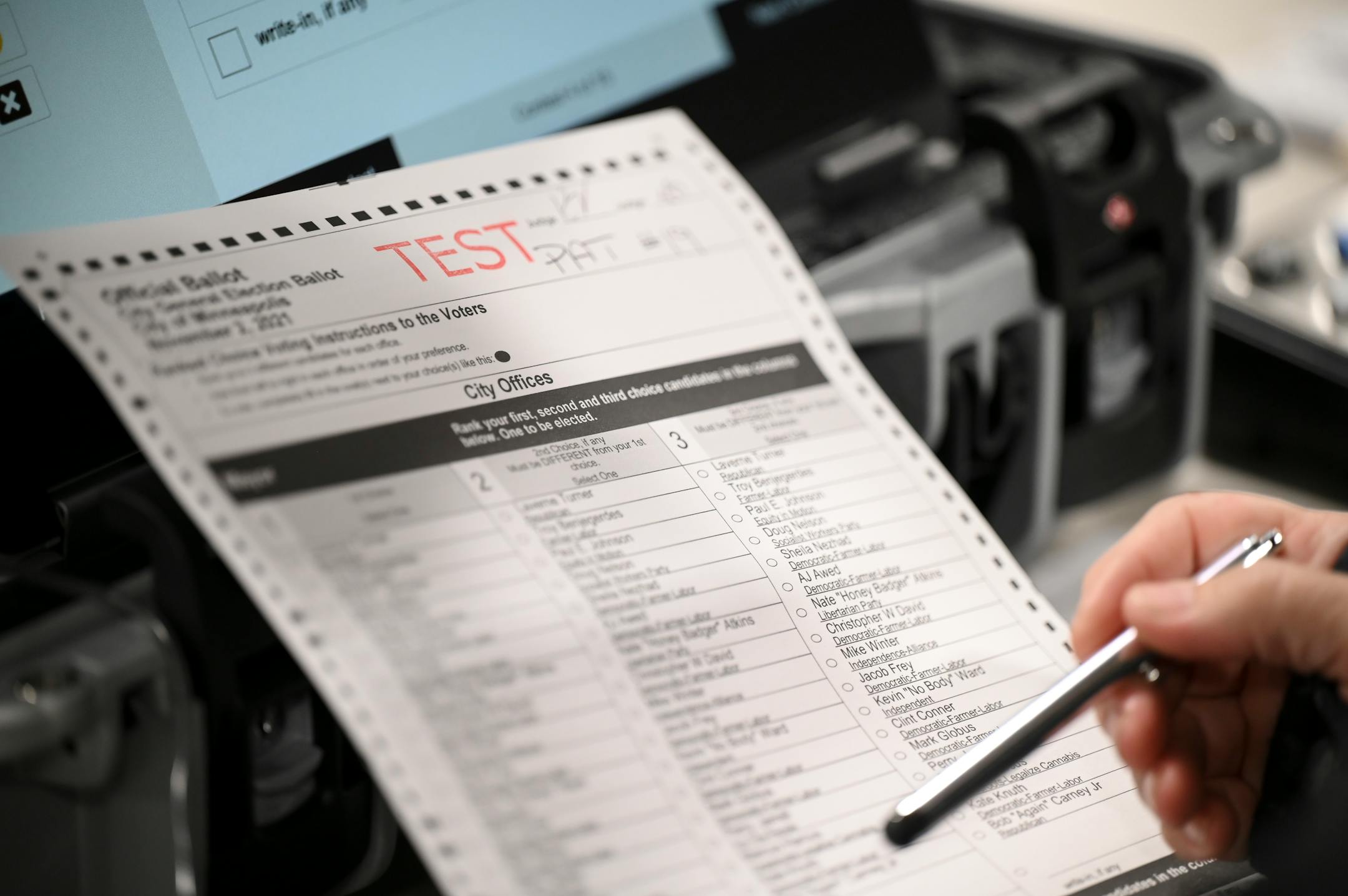
Increasingly, Minnesota voters are encountering ballots with too-few options. They're used to seeing only one candidate in judicial races. Still, there's a bigger problem with a lack of quality competition — or no competition at all — in a growing number of local contests.
The number of uncontested races has gone up, meaning that the electorate has less say in representation. In many cases, the decisions made by political parties and insiders lead to fewer choices. And some would-be candidates have been scared away by divisiveness and what they see as thankless work.
That's not good for voters, for candidates, or for governing bodies such as school and county boards, city councils and the Legislature. Elected bodies need members who are more representative of the variety of people that they serve. And they need members with a range of skills, professional backgrounds and abilities to oversee taxpayer dollars and public policy.
Five of nine seats were open in this year's Minneapolis school board elections, and all went to newcomers with little experience. Of the five, two ran unopposed.
In Ramsey County, both the sheriff and county attorney ran without opposition. And in rural and metro areas, voters in 24 races had just one candidate for a state House or Senate seat. So of the 201 seats in the Legislature, candidates in just under one in eight races were unopposed.
That's the highest number of uncontested races since 2008 — the last year there were no unopposed legislative candidates. It's been more typical in the previous two decades to have about five to seven races with only one candidate.


