

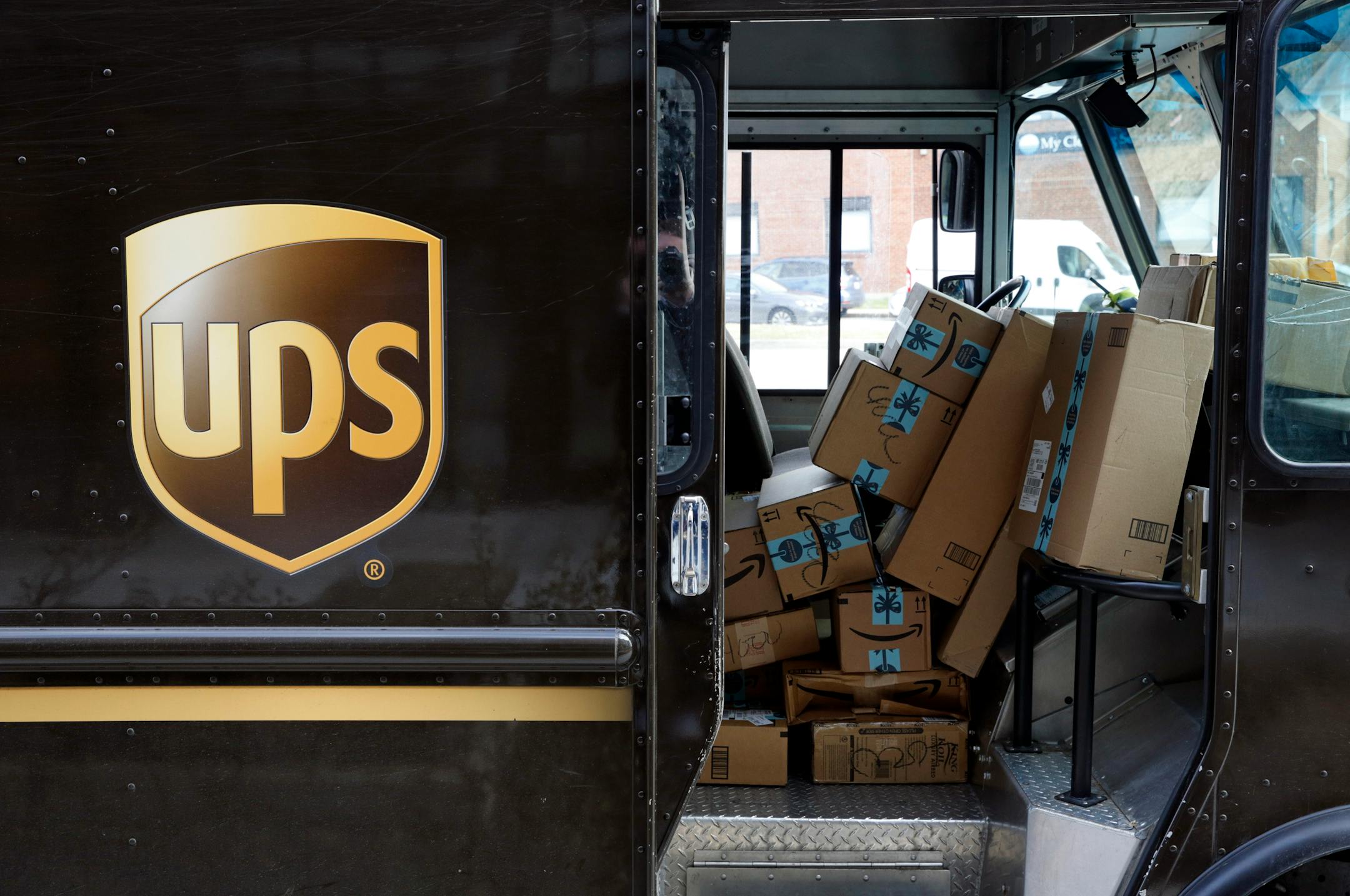
Opinion editor's note: Star Tribune Opinion publishes a mix of national and local commentaries online and in print each day. To contribute, click here.
•••
January is a time to redo, revise and recommit. It is also the time to return things.
We can click the return button first on the season's passive-aggressive and otherwise unwanted gifts. An upgraded espresso machine, perhaps not so necessary. Farewell, too, to the aspirational dress purchased but never quite fit into without a squeeze.
By some estimates, returning purchases in America reached record levels in 2022; the portion of purchases returned has jumped twofold, to 16% from 8% of sales between 2019 and 2022. And returning things online has become so easy — just scan the downloaded QR code! — that people return items bought online at three times the rate they return things purchased in stores.
Because it's easy and free on our end, it's tempting to think our unwanted shoes whiz off to whichever Oz from which they came, neatly refurbished like the Tin Man and sent on to the next customer. But the actual process is far from a virtuous circle of retail recycling. As is true for many things online — bullying, disinformation, conspiracy theories — when something is easy and "free," it usually exacts a terrible, if largely hidden, cost.
The massive costs of return packaging, processing and transportation are easy to imagine. But what many online shoppers don't realize is that many returned goods don't get resold at all.
Because returns are so expensive for online retailers, companies have focused on making the process as cheap and easy as possible — for themselves — and for the most part, the planet pays the price. Online returns create 16 million tons of carbon emissions or the equivalent of 3.5 million cars on the road for an entire year.


