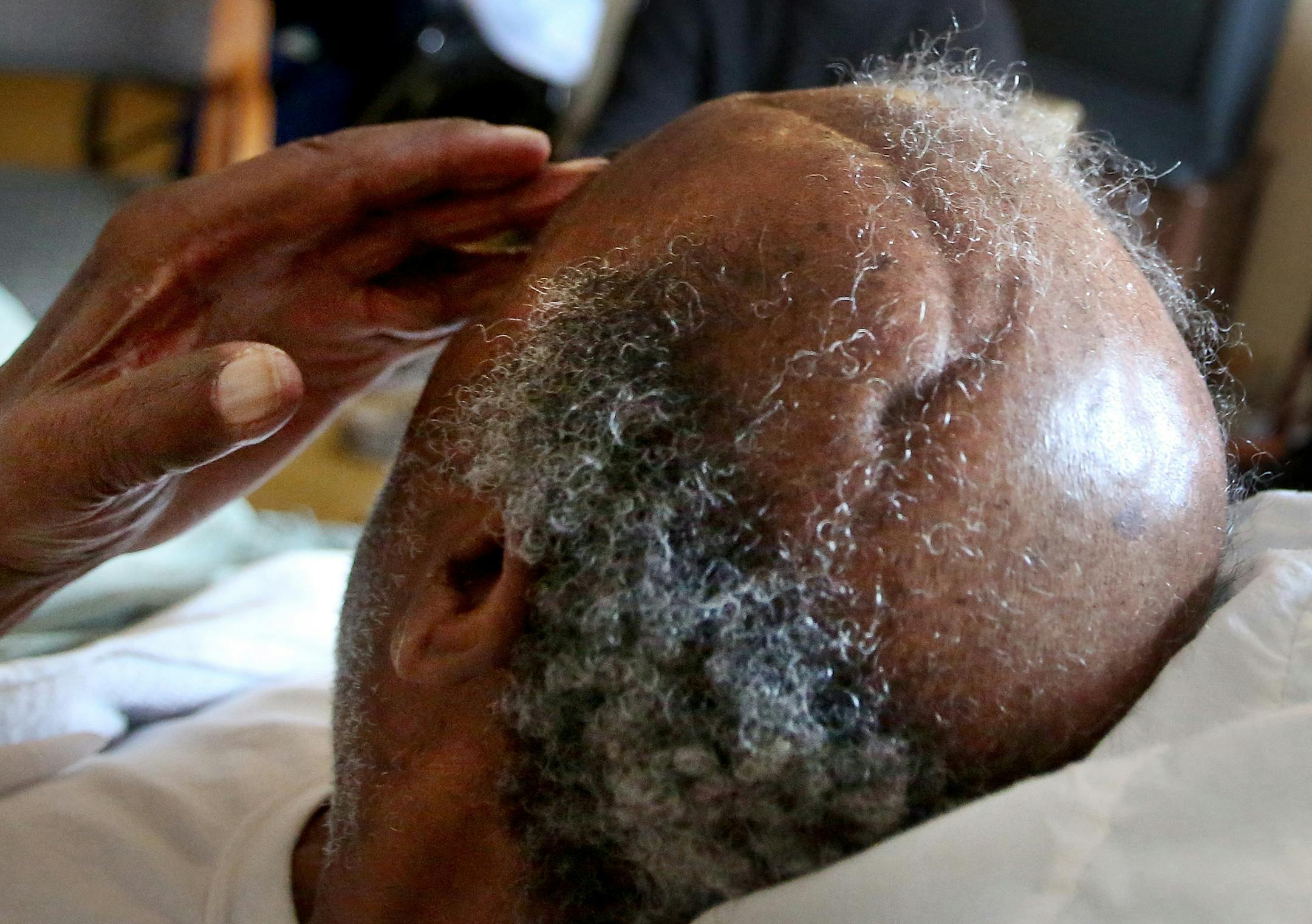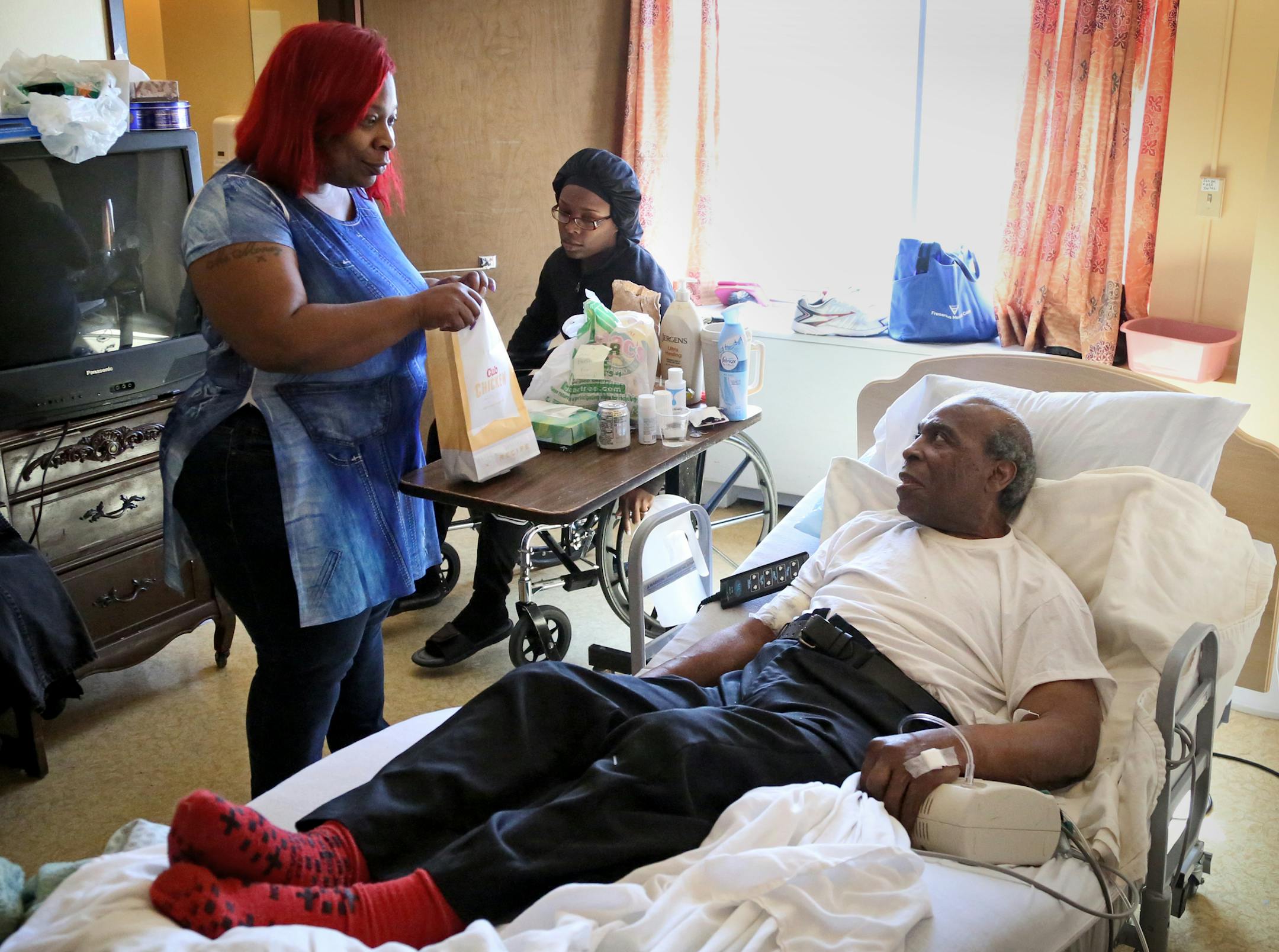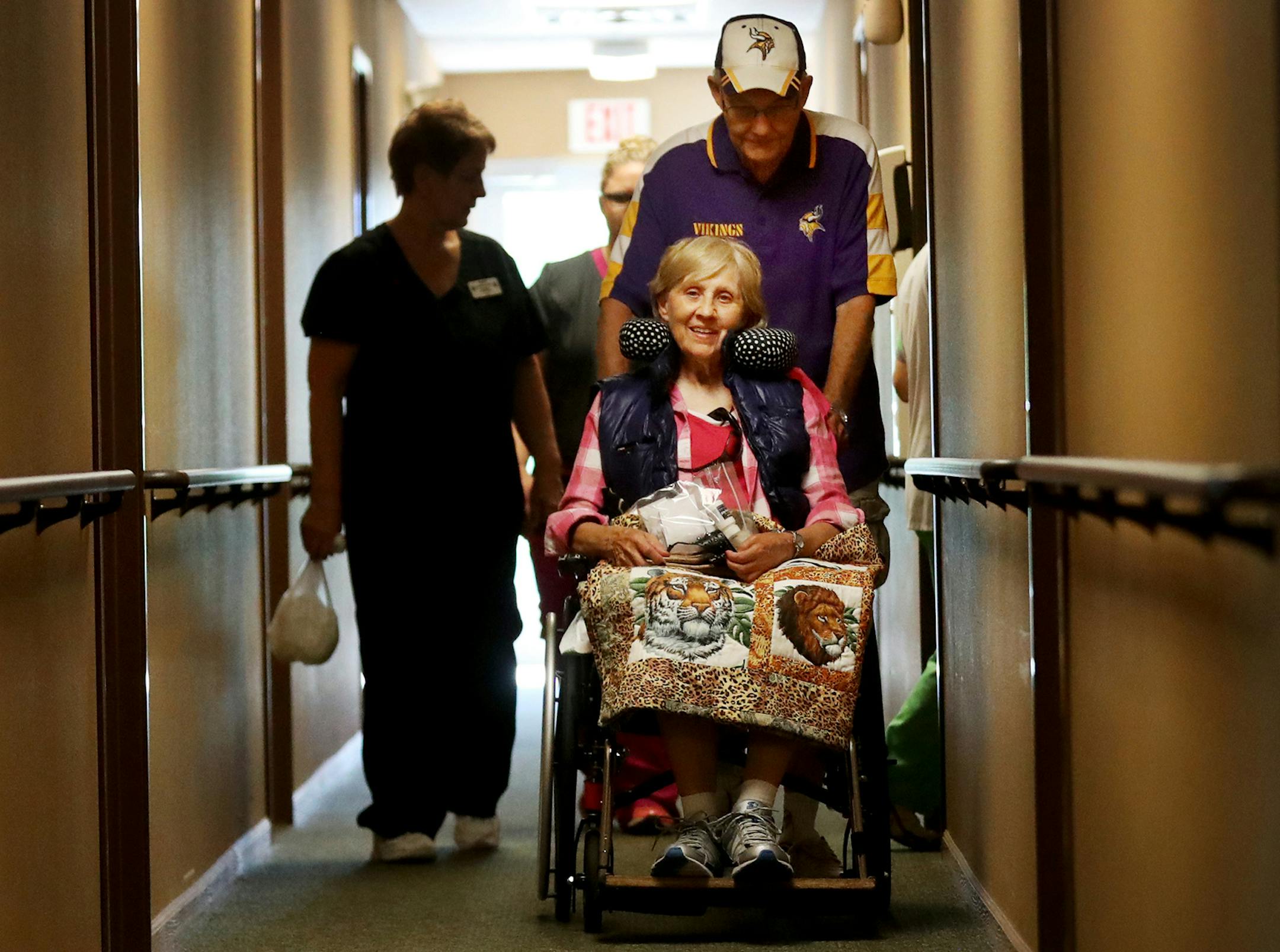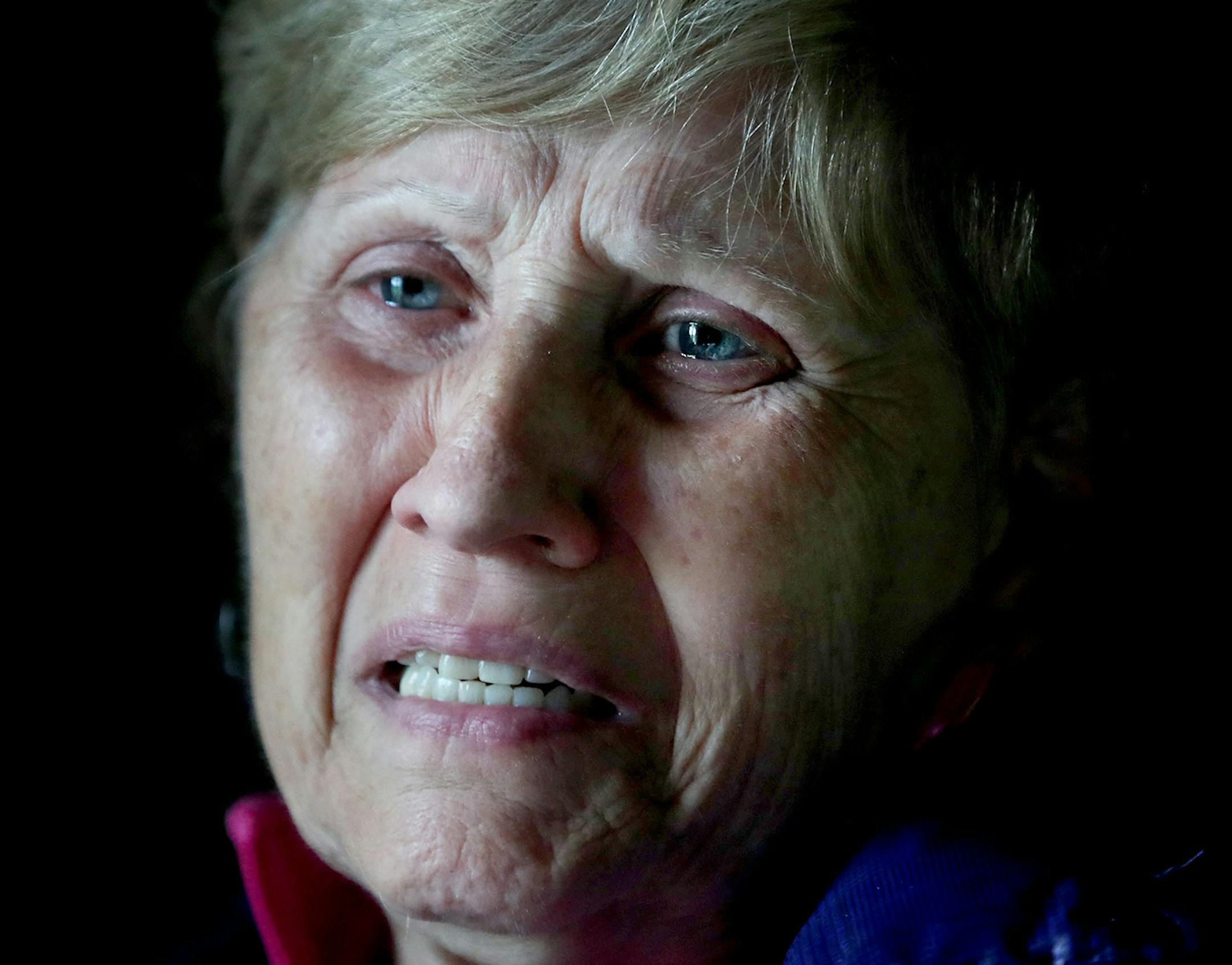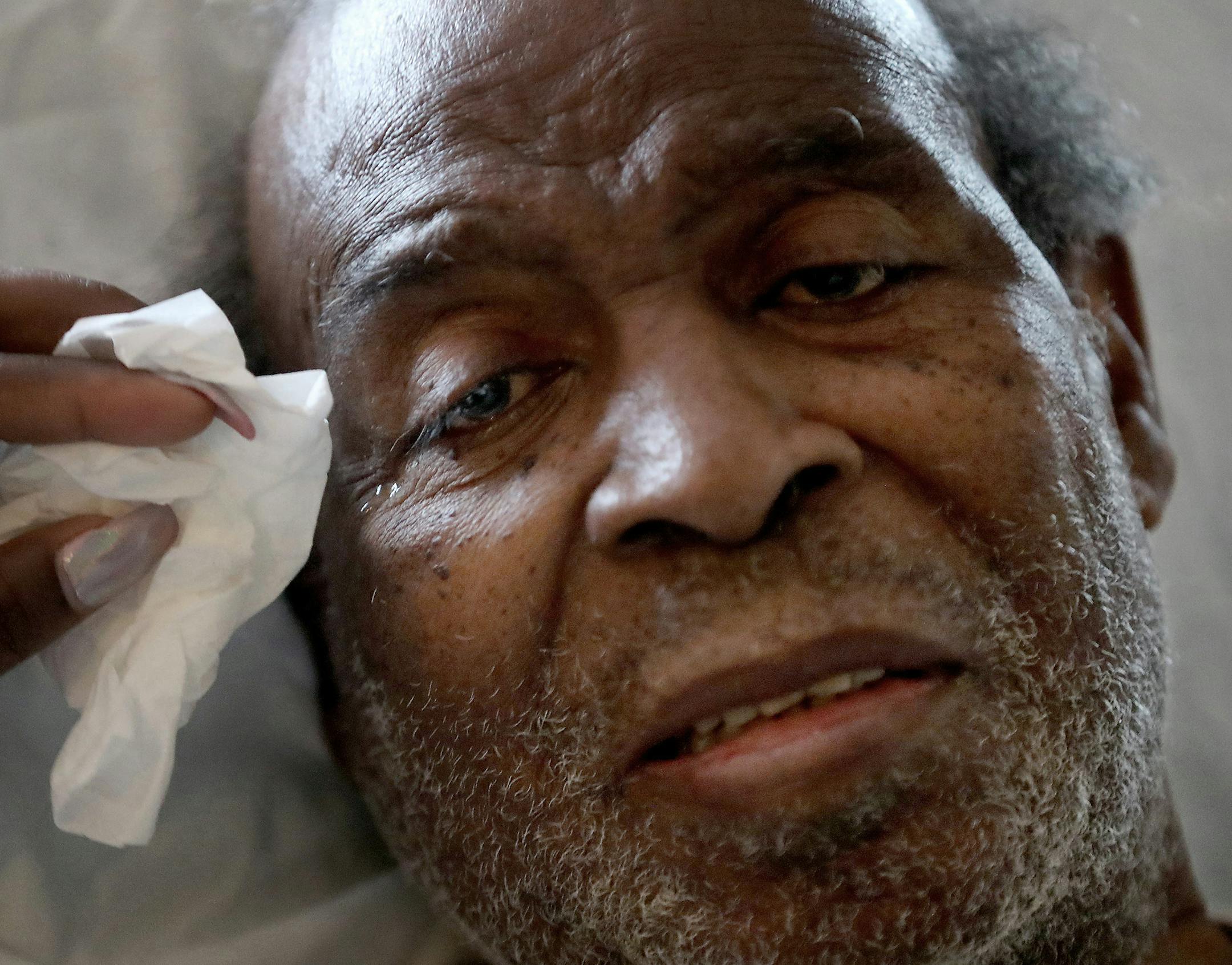
"These are thousands of human tragedies that could be avoided with even minimal oversight," said Nancy Fitzsimons, a professor at Minnesota State University, Mankato, and chair of a state committee on abuse and neglect of vulnerable adults. "It's distressing enough to move a loved one into a facility. People should not have to worry about them being attacked by a roommate."
Left unchecked, a single abusive resident can cause immense pain and distress.
At an assisted-living facility in Hugo, an elderly male resident with dementia tormented a female resident for six months in 2015 before the staff intervened, according to a state investigative report. The man stole her walker, hit her so hard that her eyeglasses flew off, stabbed her in the eyebrow with a pen and smashed a glass picture frame over her head, sending glass all over the floor, the report said.
The facility's only response was to increase the assailant's dose of antipsychotic medication, state records show.
Altercations between residents have grown more frequent and more serious in recent years as senior care facilities have allowed more seniors with psychiatric problems to live alongside frail elderly residents — often in assisted-living facilities that are lightly regulated by the state.
In addition, nursing homes are admitting a much higher percentage of patients for short-term rehabilitation stays. These patients tend to be younger, stronger and more volatile than longer-term patients, elder care researchers have found.
Across the country, complaints to state regulators about physical and sexual assaults between residents have increased 50 percent since 2012, exceeding any other category of abuse complaints in elder care facilities, federal data shows. Yet the problem of resident-on-resident abuse is rarely addressed, and state and federal regulators have taken few steps to prevent it.
"It sounds awful to say this, but it's probably going to take a senator's mother or father to be involved in an incident like this for policymakers to wake up and take notice," said Nicholas Castle, a University of Pittsburgh professor who has studied the issue. "Not a lot of folks realize that the biggest threat to your loved one's safety … could be sleeping in the room next door."