

Opinion editor's note: Star Tribune Opinion publishes a mix of national and local commentaries online and in print each day. To contribute, click here.
•••
This week, I'm getting married in France. I should be writing my vows, but instead I'm writing this column, though the concept of marriage is still on my mind.
Being a foreign policy nerd, it occurs to me that the closest approximation to marriage in international affairs is an alliance.
Partnerships, among people and nations, have a wide range of possible meanings and scope. But alliances are formal agreements that indicate a specific kind of commitment, such as marriage. An alliance is a promise between nations to support and defend each other, in good times and bad, sickness and health, or more specifically, peace time or war.
Alliances shouldn't be entered into casually, but they shouldn't be unalterable either. If an alliance becomes an obstacle to a nation's ability to secure its needs, the standards and path for getting out should be clear and reasonable.
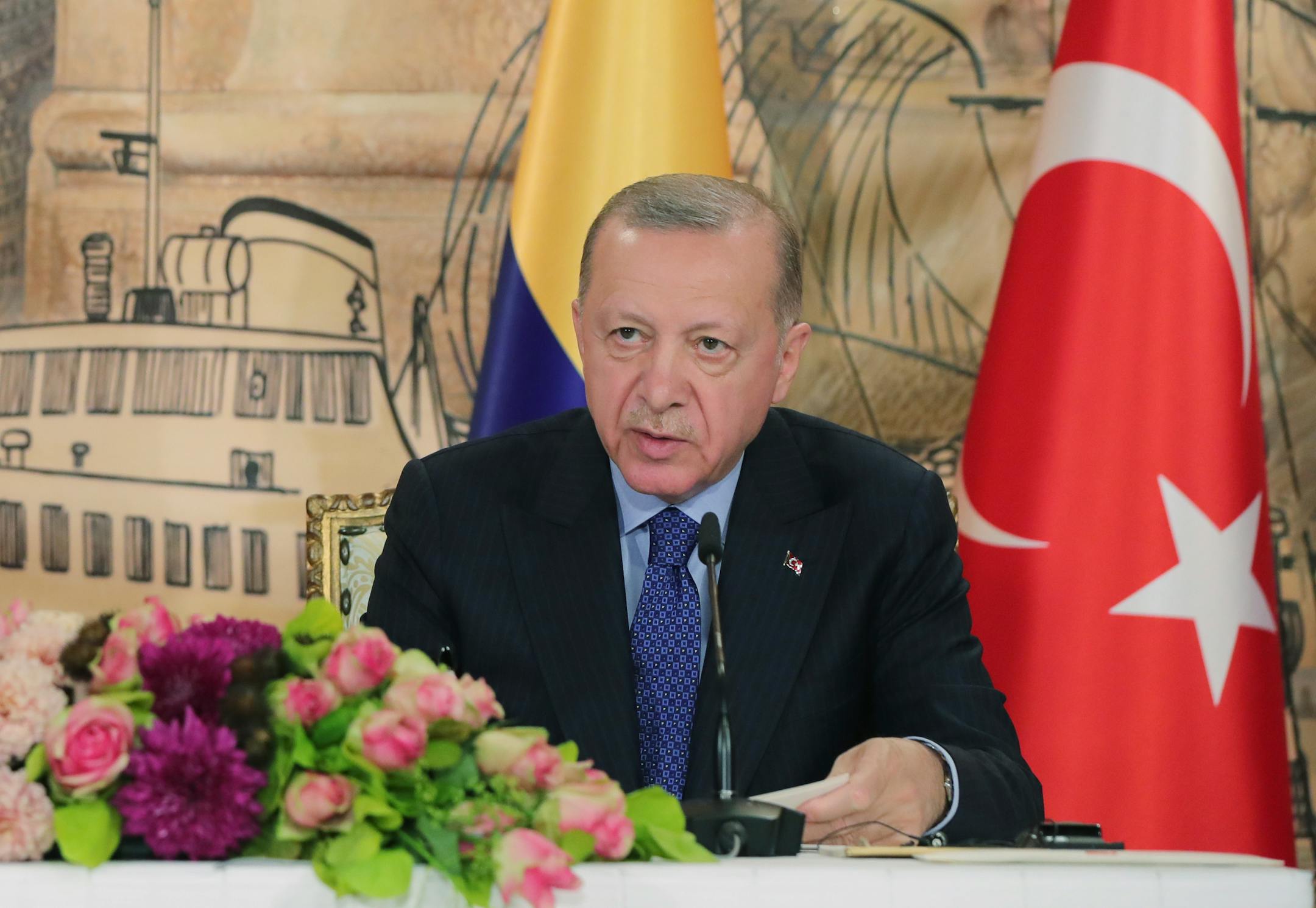
This brings me to Turkey. As any real friend to NATO would, I have to ask: Is Turkey today really the Turkey you were drawn to as a partner 70 years ago? I fear you and Turkey have grown apart, most recently with its threat to block NATO membership for Sweden and Finland. I worry the growing differences are becoming irreconcilable.
In the early NATO days, Turkey was sitting on the border of the Soviet Union. When stopping Soviet expansion was NATO's primary purpose, Turkey's geography might have been compelling enough to overcome other shortcomings. This was easy to do, too, given Turkey's potential at the time. It seemed to be moving firmly toward a Western identity and embracing liberal, democratic values that NATO saw within itself.


