
When it comes to laws to keep Minnesota Native families intact, effectiveness depends on geography

Under state and federal law, Minnesota counties must help Native families before removing children. But each county administers services differently — often with vastly unequal resources.

The Minnesota Star Tribune
July 26, 2025 at 11:00AM
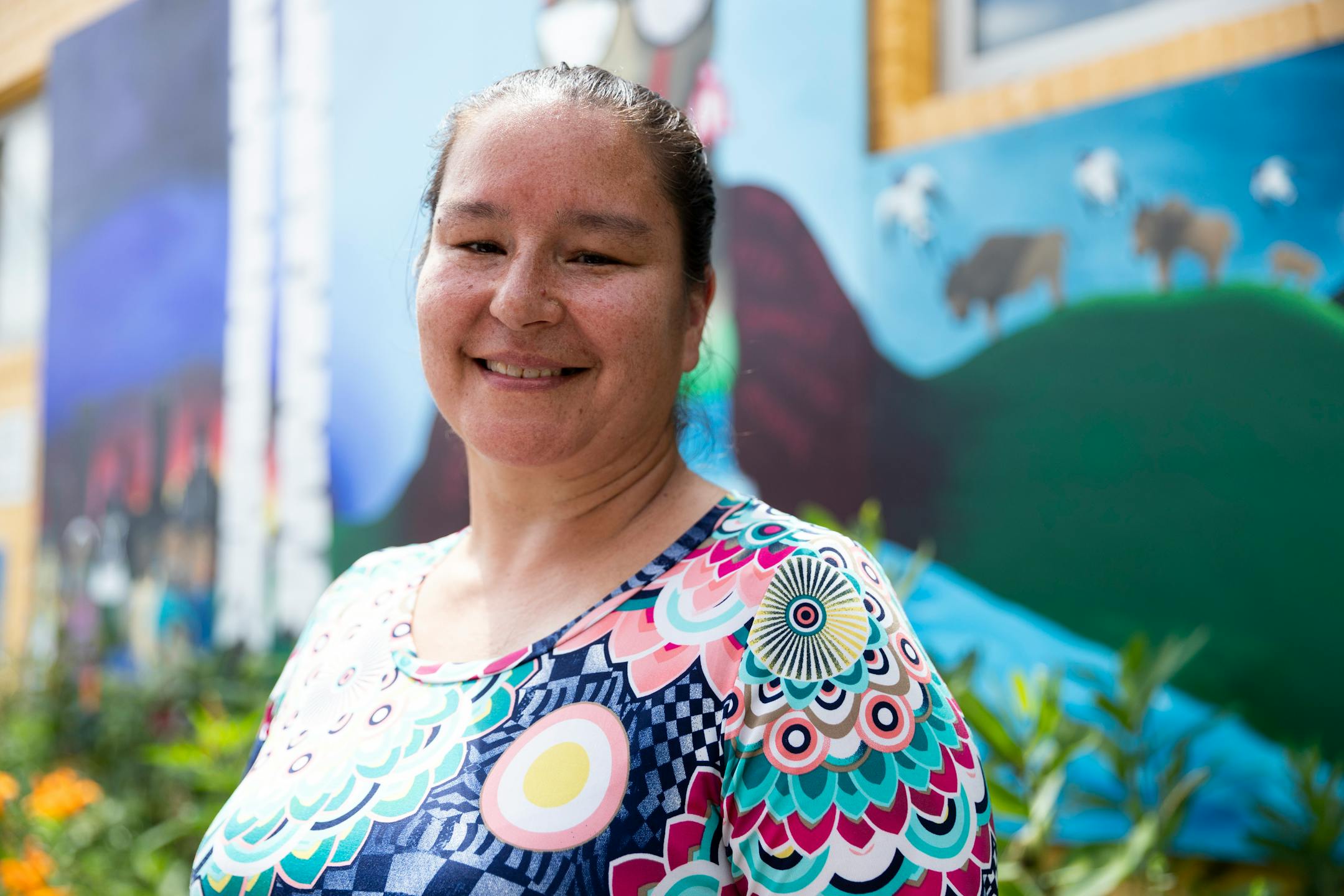
Simone Rendon is a Native foster parent in Minnesota. (Rebecca Villagracia/The Minnesota Star Tribune)

Four decades ago, Minnesota created some of the strongest protections in the country to stop the practice of separating Native children from their communities when they are placed in foster care.

But in practice, families and advocates across the state say those protections erode quickly when resources are stretched thin, services are miles away, or county workers don’t follow the steps the laws require.

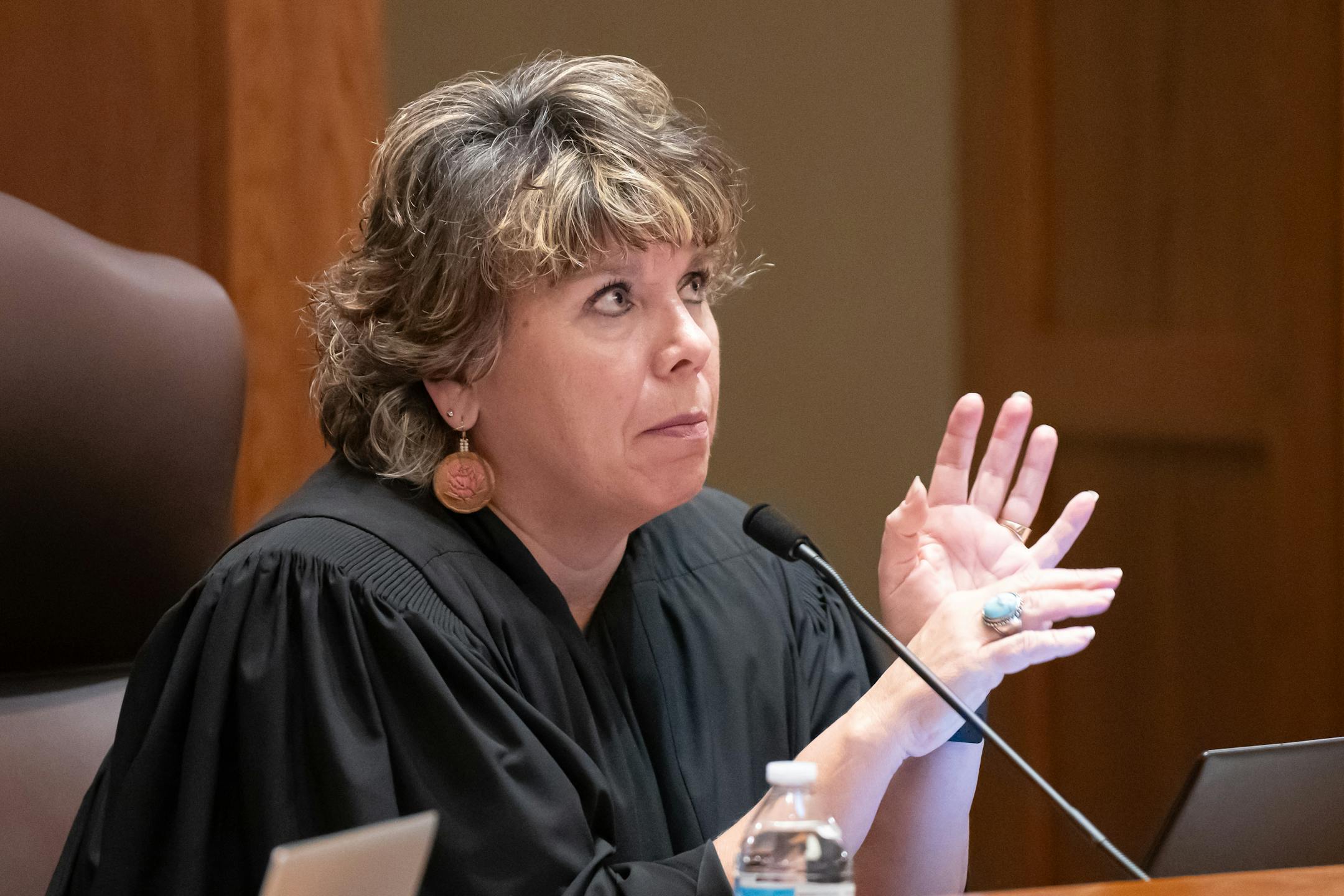
“The money that funds the services comes from a local property tax base rather than from the state of Minnesota itself,” said Minnesota Supreme Court Associate Justice Anne McKeig, a descendant of the White Earth Nation and the first American Indian to serve on the court. “So it really depends on where you live in the state for what you have access to.”

Before a child can be removed from their parents under the Minnesota Indian Family Preservation Act (MIFPA), the state is supposed to make “active efforts” — a legal standard that requires counties to help families get housing, treatment or other services that could prevent removal altogether. Minnesota’s law builds on the federal Indian Child Welfare Act (ICWA), which was passed in 1978 in response to high removal rates of Native children from their families and tribes.

The state’s child welfare system is county-run, which means each of Minnesota’s 87 counties administers services differently — often with vastly unequal resources.

Some counties have ICWA courts and tribal liaisons. Others might see one ICWA case a year. In places like Cass County, where McKeig grew up, families may live miles from the nearest clinic or treatment center.

State compliance records obtained by the Minnesota Star Tribune show just how widespread the gaps are. In 2021, more than twenty counties were found out of compliance with ICWA and MIFPA.

Cass County failed to properly document tribal lineage or notify the right staff when Native children were flagged. In Clearwater County, required ICWA notices weren’t sent, and officials were also found noncompliant with active efforts. Swift, Stearns and Ramsey counties missed basic steps such as inquiring about Native identity or notifying tribes, as required by law.
Even some of the state’s largest counties struggled: Hennepin County’s compliance hovered around 64%, with improper documentation cited as a barrier. In Dakota and Washington counties, they missed requirements to investigate a child’s potential tribal heritage and notify the tribe when a child enters the system.

Beyond county compliance, lack of treatment services in some areas makes compliance with ICWA and MIFPA’s most important promise — keeping Native families together — nearly impossible.

“If you live up north, it’s kind of hard to get transportation to where you need to go,” said Shontal LaJeunesse, a Native foster parent of two children from the Leech Lake Band of Ojibwe who also works with families navigating addiction.

Even if a parent wants treatment, there might be no local option that accepts children, and no safe housing options for the family to reunite.

“If you go and get treatment up in the rural areas, there isn’t any place where you can take your children,” McKeig said. “So then, if your children have to go with relatives or foster care — well, what’s available? Not much.”

Minnesota Supreme Court Associate Justice Anne McKeig is the first American Indian to serve on the court. (Glen Stubbe/The Minnesota Star Tribune)

Punishment before support

Advocates say that many of the hurdles Native families face come from within the system designed to protect them.

One child protection case can snowball. An involuntary termination of parental rights becomes a permanent mark, which counties can use to open new investigations. If a mother loses her first child to the system, she may have to prove she’s fit to parent the next, said Shannon Smith, director of the ICWA Law Center.

“We have a system that responds to families in a very punitive way,” she said. “Instead of, ‘We want to heal this family. We want to recognize what you’ve experienced.’”

That kind of separation comes with a spiritual cost.

“That could have been the next pipe carrier. That could have been the next drummer who knows the sacred songs,” said Simone Rendon, a Native foster parent in Minnesota, who’s seen what happens when children are placed far from their culture.

“When you take our children and place them in a home that doesn’t know anything about us, you get children who, later in life, are so confused on why they don’t feel like they belong,” she added.

For McKeig, Native family separations are the result of a lack of understanding by people making decisions about where resources should go, as well as the “invisibility” of Native children.

“We always say as a state that we care about our children, but when it comes to Native children, we’re not loud,” she said.

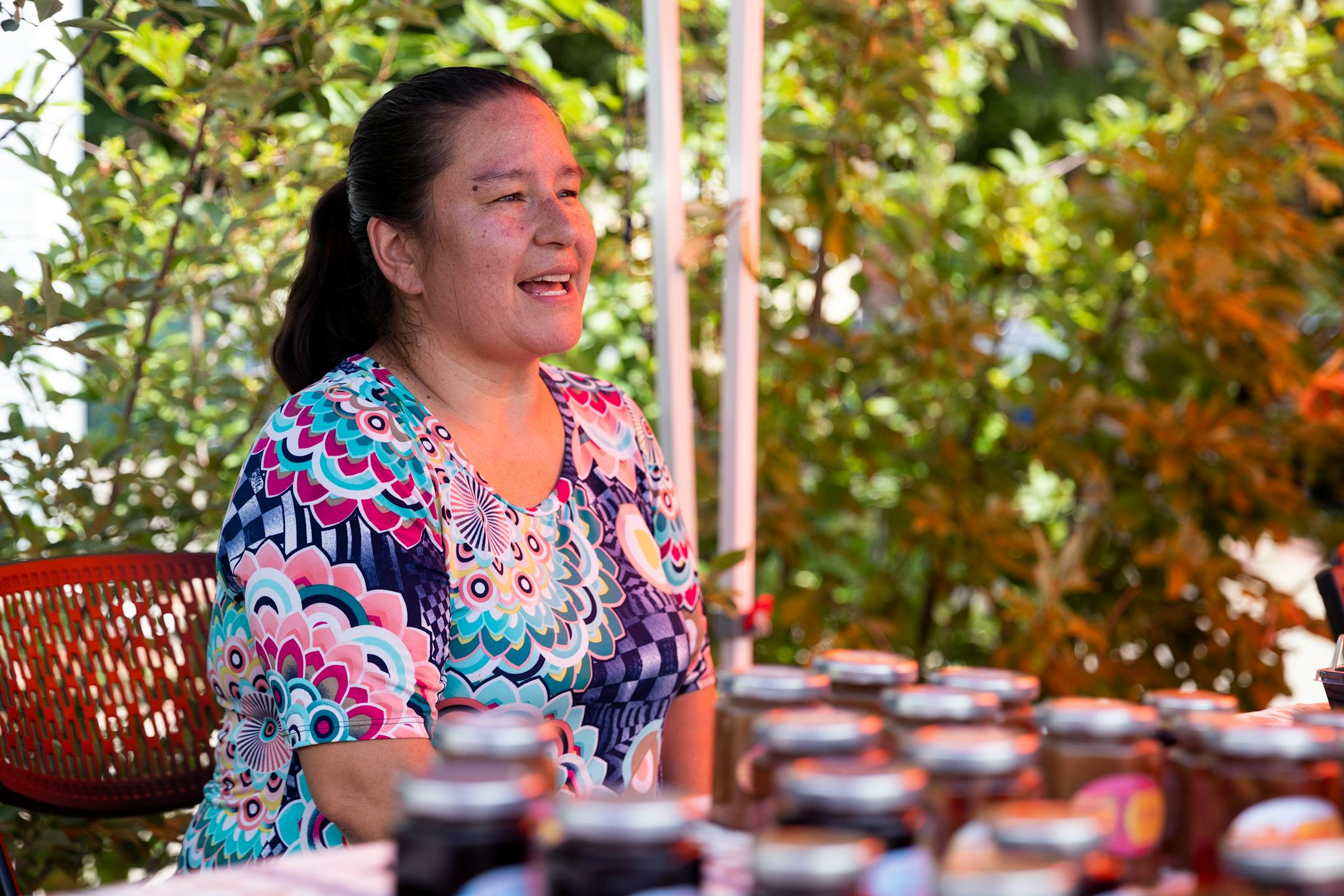
Simone Rendon, a foster parent, at the Four Sisters Farmers Market in Minneapolis. (Rebecca Villagracia/The Minnesota Star Tribune)

A more rigorous approach

Smith has been representing Native families in child protection cases for more than two decades. She knows what it looks like when “active efforts” are done right. That means rigorous, concerted responses to a family’s needs.

“It might be, ‘Hey, I understand you’re struggling. I know where you can get an assessment for substance abuse. I’m going to walk you upstairs. I’m going to sit with you until we get that assessor. And then once you have treatment, I’ll be there to take you to that treatment,’” she said.

Rendon has an idea: Flip the system so the help foster placements get is available to parents before removal.

“If I, as a foster parent, can get immediate child care assistance for a foster placement, why can’t we have immediate child care help for the parent whose children are removed because they’re home alone for an hour while she’s at work?” Rendon asked.

Right now, counties that fail to comply with ICWA may face financial penalties. But state Sen. Mary Kunesh believes that logic is backward.

“We need to flip-flop that attitude,” she said. “If there’s nobody there to do the job, then let’s add money to get them trained and get them on board.”

about the writer

about the writer

Sofia Barnett

Intern

Sofia Barnett is an intern for the Minnesota Star Tribune.

See Moreicon