

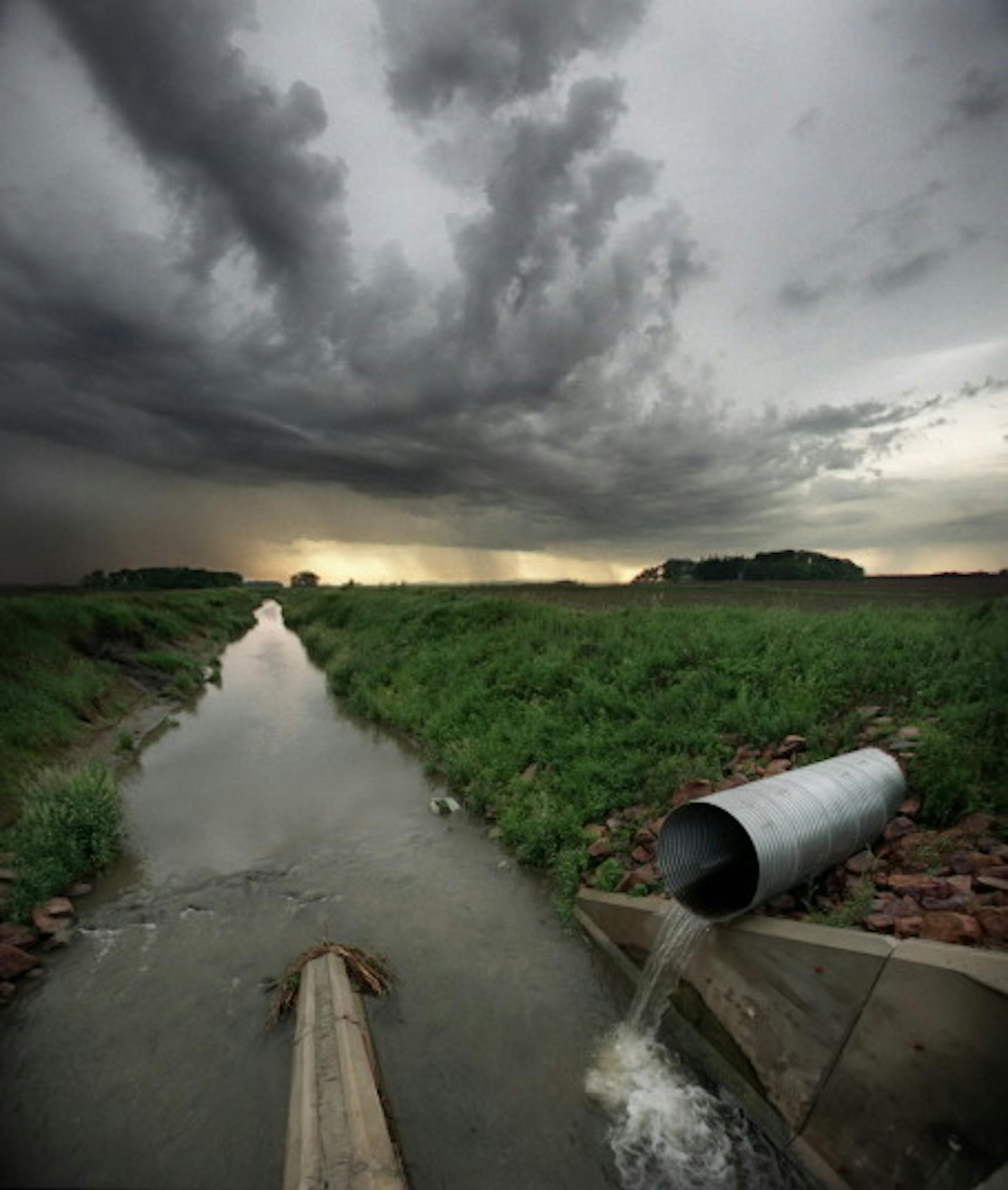
Agricultural interests and some Republican legislators have a neat solution for those pesky advocates who secretly video abuses and then post them on the internet. No, we're not talking about gotcha' videos like the one that burned National Public Radio recently. We're talking about the ones that burn the meat and agricultural processors. The video that seems to have inspired the legislation was the one made public last year by the Humane Society that showed workers at a Minnesota turkey processor tossing sick, injured or surplus animals into a grinder.
Last week a bill that would outlaw video or audio recordings of both animal processing facilities and agricultural pollution was introduced at the state legislature. Such "interference" would be felony under some circumstances, according to the bill. It's being pushed by agricultural interests here, and in other states including Iowa.
Here is a link to the bill. if it's passed, I wonder whether if it would mean that pictures like the ones posted here -- all showing farm pollution of one kind or another and taken by Star Tribune photographers -- would be illegal. And what would the First Amendment have to say about that?
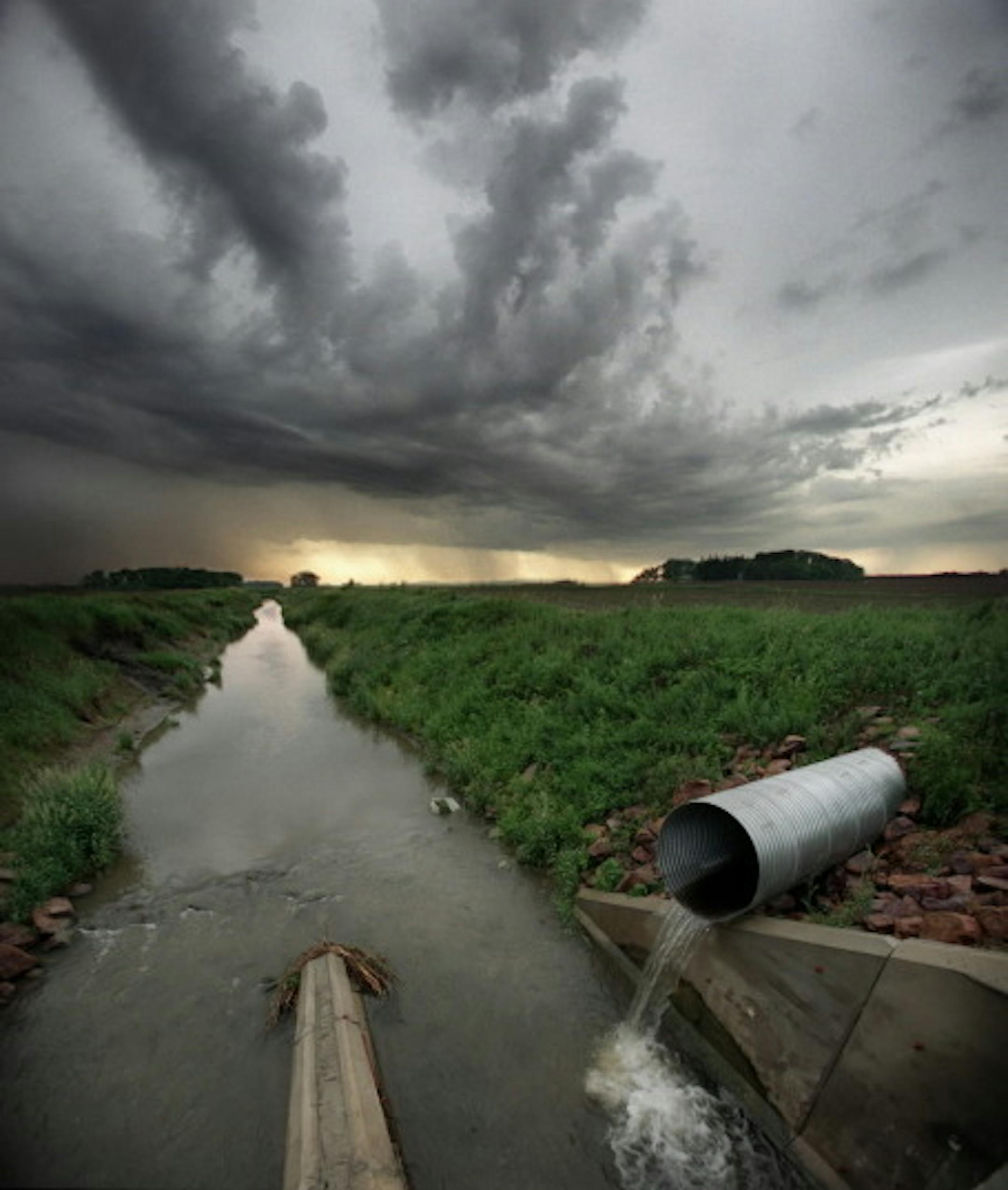
1999. The Minnesota River basin, once a healthy, balanced ecosystem now functions like an overloaded and unstable drainage ditch for farms and a toilet for rural Minnesota. Barely recognizable as a natural stream, the Middle Branch of the Rush River West of Le Sueur has been straightened and drain tiles have been installed creating a system that flushes water from the fields in record time
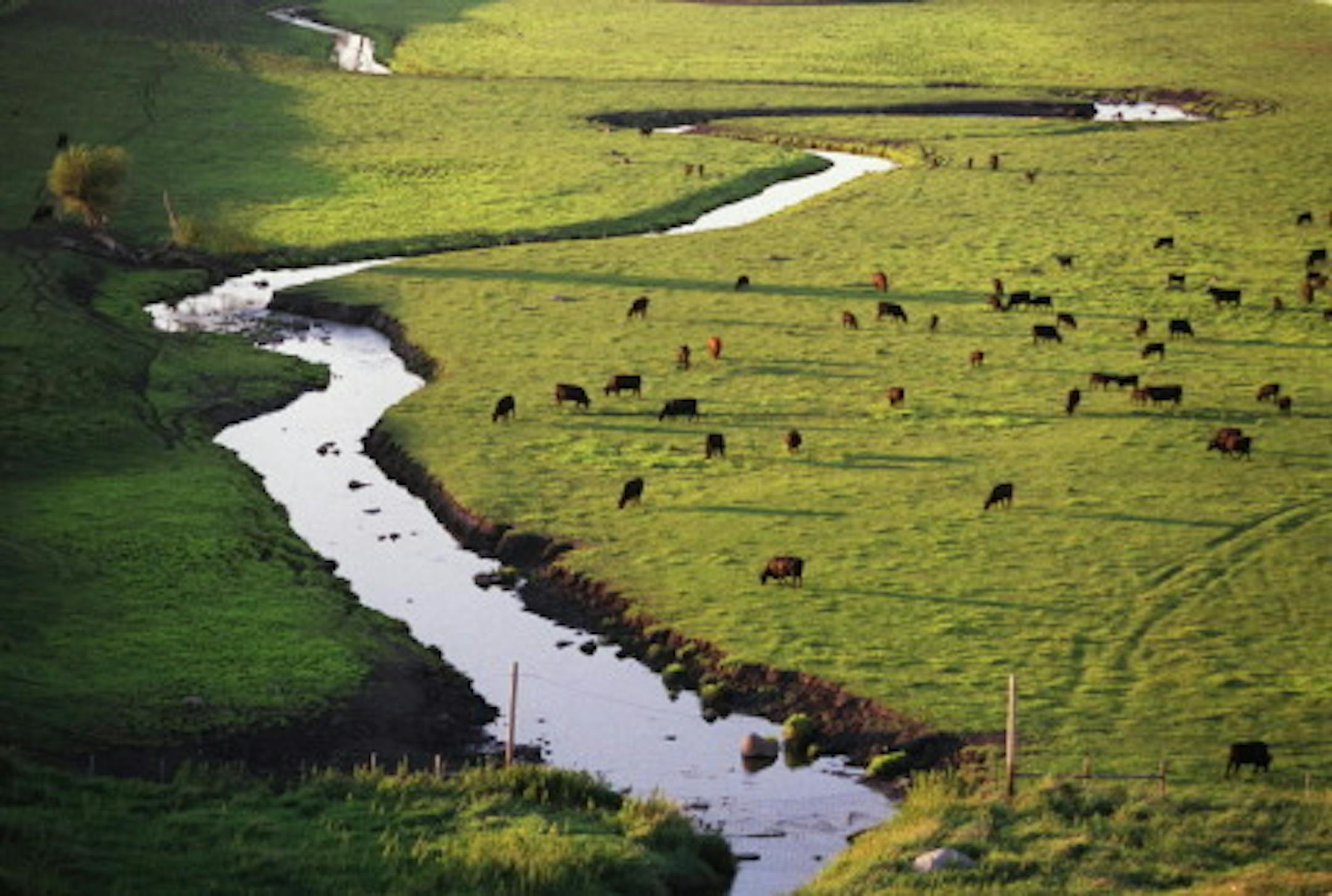
1999. The majority of the Minnesota River basinís land is agricultural, and the quality and quantity of itís water depend overwhelmingly on farming practices. A buffer strip of grass between the grazing cattle and the Beaver Creek could greatly filter contaminants and manure from entering the water on this farm north of Redwood Falls. Just a few miles down stream children are swimming in the water.
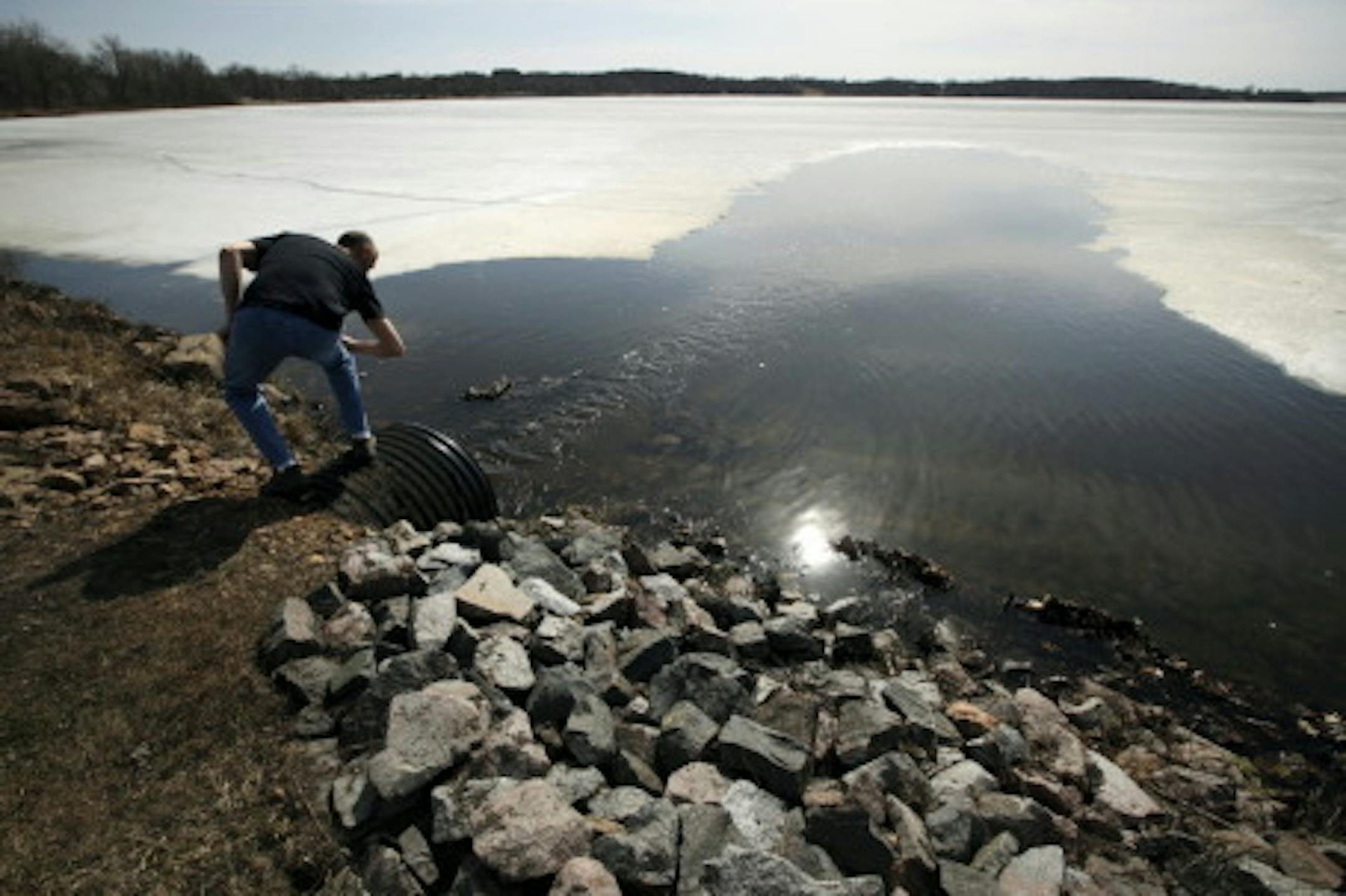
2010. After years of water sampling, more than $50,000 in studies, and months of stakeholder meetings, Lake Independence had a plan to clean up the water. That was March 2007. Three years later, $410,000 in state funds intended for manure management and fertilizer controls is gone.


