

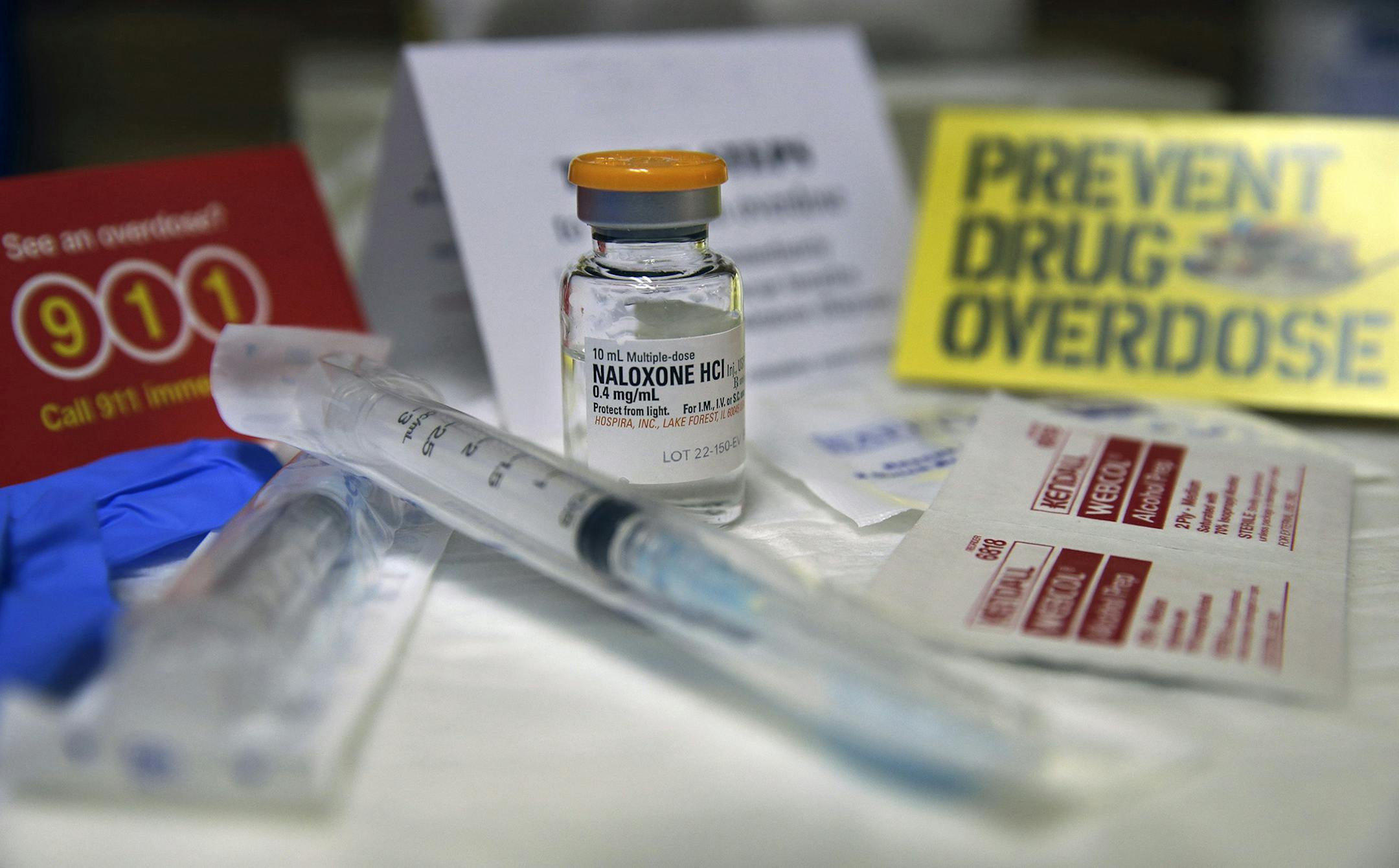
This potentially deadly scenario happens far too often these days in Minnesota: A small group of friends gets together to get high, and their preferred drug is heroin. Then one shows signs of an overdose, and the others are afraid to act. They know having that drug is illegal and fear that calling for help could get them arrested.
But making that call could potentially save a life. That's why Minnesota needs a law that would provide arrest immunity for lower-level drug users who report problems — and allow the use of an effective antidote drug.
Sen. Chris Eaton, DFL-Brooklyn Center, is a registered nurse and author of a bill that, with some revisions, could make that happen. Her daughter, Ariel Eaton-Willson, died in 2007 of a heroin overdose at age 23. The measure has been nicknamed "Steve's Law'' after Steve Rummler, who died of a heroin overdose in 2011. Similar laws around the nation are also called "good Samaritan'' statutes.
Instead of immediately calling for help, Eaton-Willson's friends cleared out the car they were in, throwing away needles that could have been used as evidence to convict them. Eaton believes that if medical professionals had been called right away, her daughter's life might have been saved.
There is near-universal agreement on the provision of her bill that would allow first responders, law enforcement authorities and some nonmedical professionals to administer Narcan, a drug that can quickly counter the effects of a heroin overdose. Last week, the measure sailed through the Senate unanimously with little discussion.
However, leading law enforcement officials and prosecutors are raising legitimate concerns about the immunity provision in its present form. As passed in the Senate, the proposed bill would grant blanket immunity from arrest and prosecution to just about anyone at the scene when first responders show up to help.
That level of immunity would be problematic for police and others who need to arrest and prosecute drug dealers and try to get more illegal drugs off the streets. It would also get in the way when a person's condition of probation is to stay away from drugs or drug houses. If they received immunity, that episode could not be counted as a probation or parole violation.
John Kingrey, executive director of the Minnesota County Attorneys Association, said his organization wholeheartedly supports the use of Narcan to save lives. But the group has reservations about blanket immunity. They've offered alternative language that better defines a drug overdose and the conditions under which someone who reports an overdose might not be arrested or prosecuted.


