Aaron Stromberg was awaiting a plate of ribs at a Mounds View restaurant when the call came in — a fellow funeral director needed his help. He steered his van to a St. Paul apartment building, unsure exactly what he would find there.
A man was lying lifeless on the kitchen floor of his apartment. He had likely suffered a heart attack half a day earlier and hit his head on the way down.
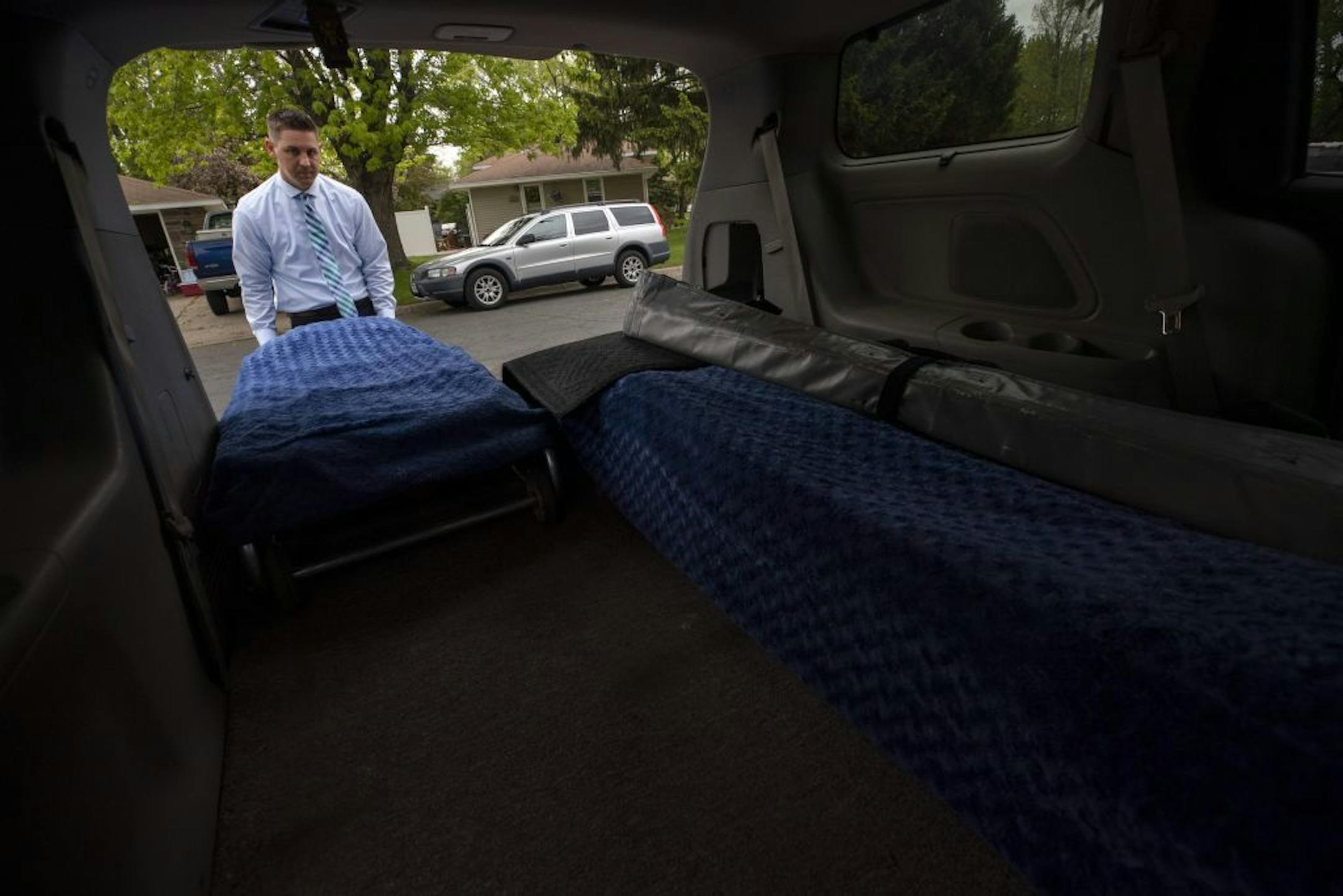
Stromberg's task: moving the body onto a gurney and discreetly taking it away. He and a growing cadre of behind-the-scenes specialists make a living whisking the dead where they need to go. It's something Stromberg does up to a dozen times a day, typically responding within an hour of being beckoned.
"There's times when we're really running, where [the calls are] back to back to back," said Stromberg, owner of Twin Cities Trade Service. "And you're doing the best you can to just keep on top of it."
The sensitive, sometimes grueling job of removing people from their place of death can generally be done only by licensed funeral directors, also called morticians, under state law. Faced with rising deaths and a shortage of funeral directors, funeral homes are increasingly leaning on morticians-for-hire such as Stromberg to remove remains while the city sleeps.
It's one of many changes in an industry already challenged by a consumer preference for cremation — now 67% in Minnesota — and less demand for traditional funerals.
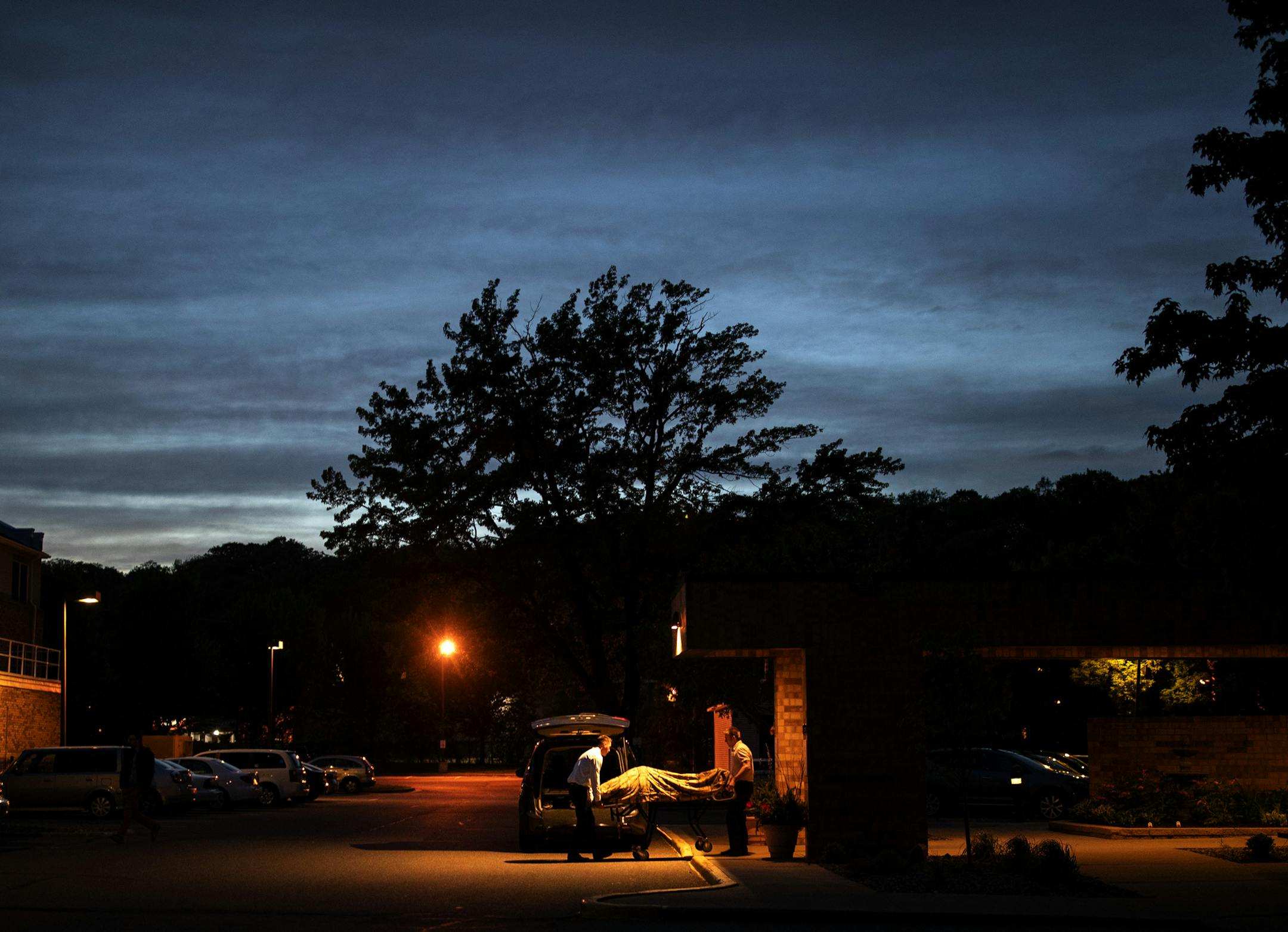
Clad in a dress shirt and tie, Stromberg got to work in the St. Paul apartment. He and the other funeral director loosely wrapped the body in a light plastic material. They lifted it onto a gurney and covered the remains with a cotton sheet.
They wheeled the body out to the elevators. The first one had someone in it, so they waited for the next one. They rolled the gurney to a van and the job was done, about 15 minutes after it began.