

One way to rile a Minneapolitan is to mess with his or her supply of free wood chips from the Park Board for mulching around the yard and garden.
The chips distributed at a dozen sites around the city have been regarded as a payoff for paying property taxes for parks.
So this year, people such as Bill Kahn of Prospect Park noticed when the chips were down. Turns out they were right, owing to a change in how the Park Board processes pruned and storm-downed trees. And park officials this week remedied the situation in response to rising complaints.
"I feel like it is the old story of less service for more revenue," Kahn complained.
By Friday, four sites should get an initial 100 cubic yards of chips, a supply that park officials say they'll replenish through Aug. 2.
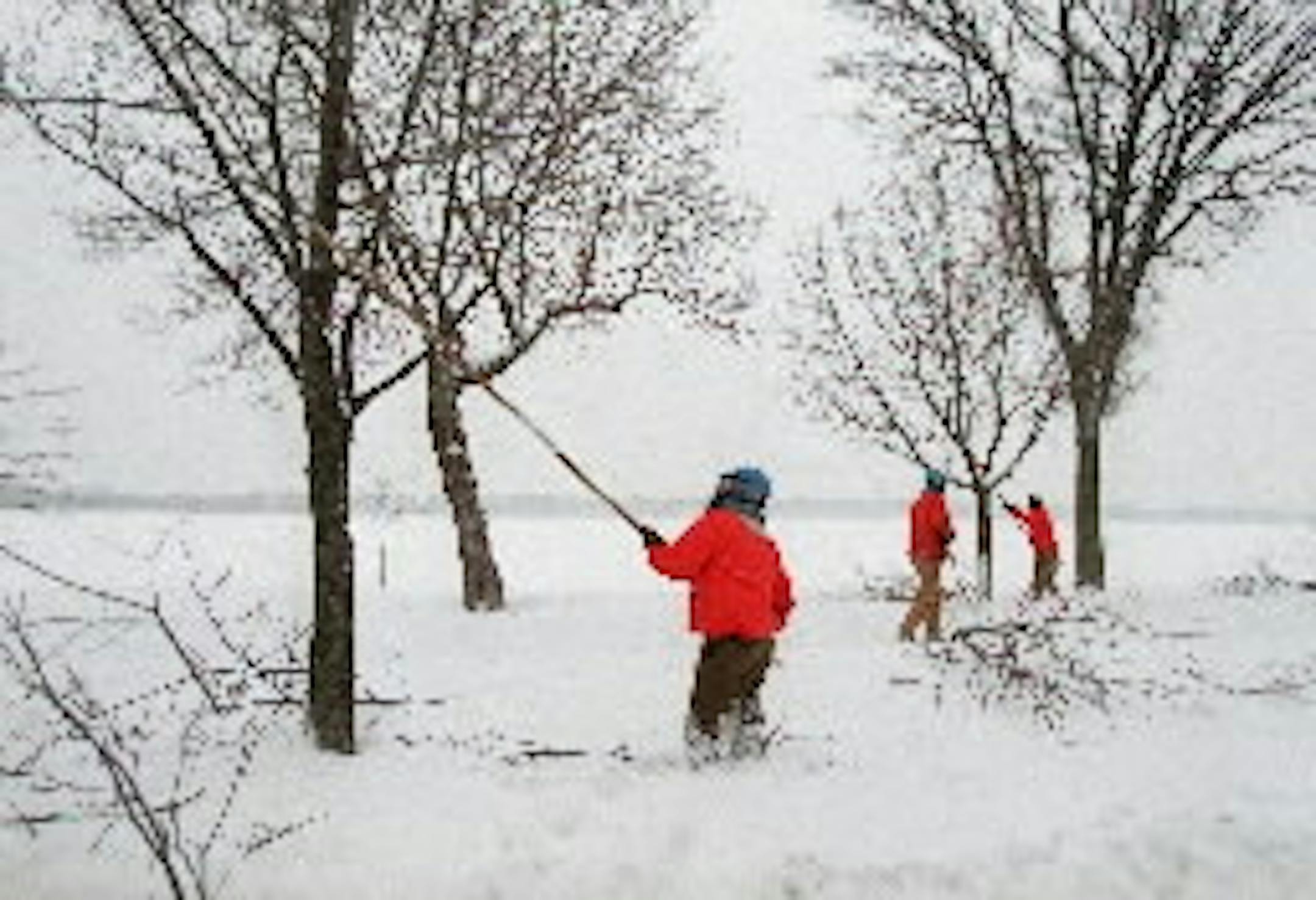
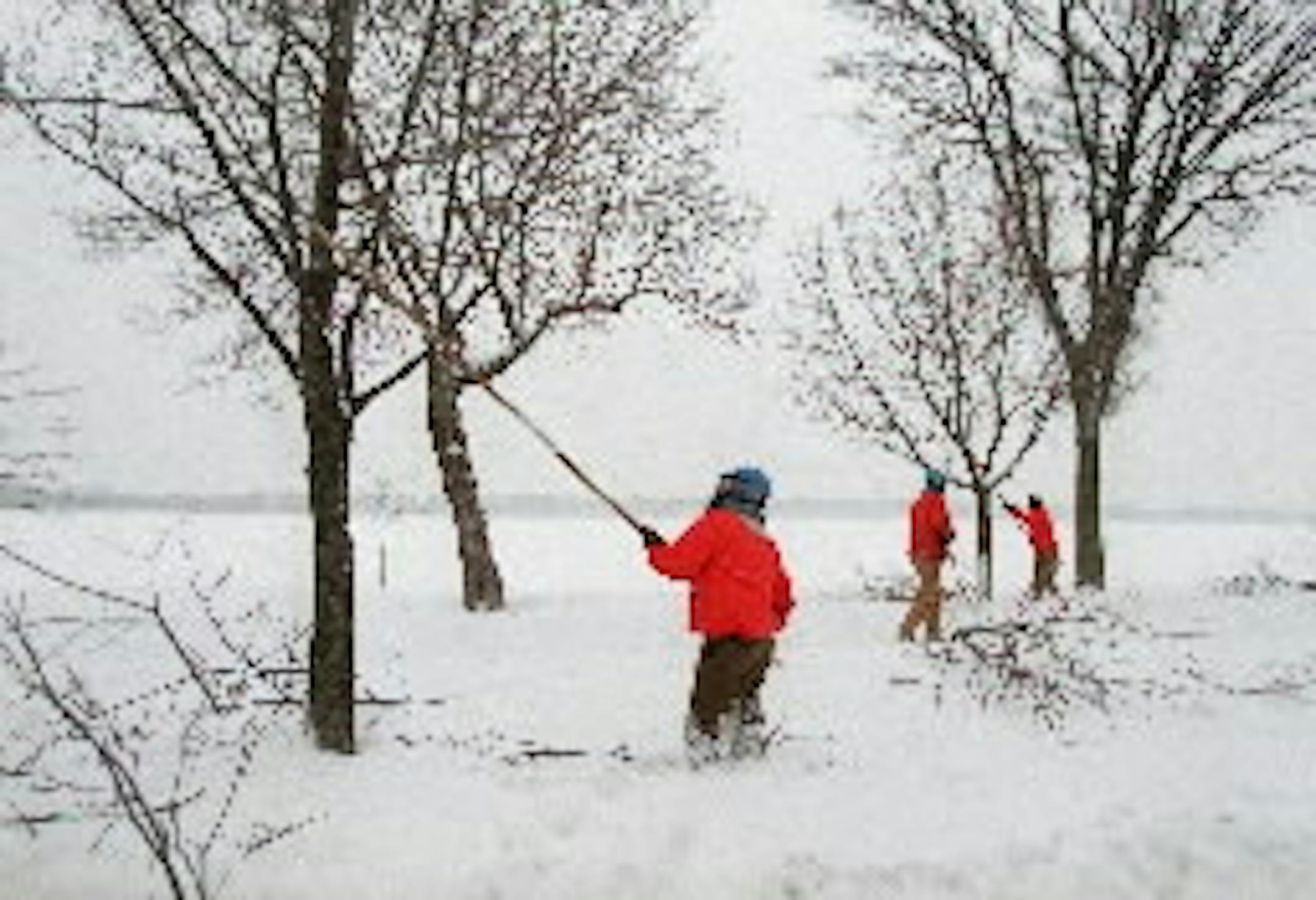
A major reason for the reduced supply of chips is that the Park Board has changed how it chips waste from normal tree pruning. In the past, eight crews began pruning trees in the winter, and brush was fed into portable chippers. Then the crews shiftied in the spring to planting trees, shifting in the summer to removal of elms with Dutch elm disease.
That normally meant two surges of chips for residents. But this year the Park Board cut back to three chipper crews, and shifted most chipping to Koda Energy, which rents park land at Fort Snelling for $125,000 and keeps the chips to burn in its Shakopee waste-to-energy plant. Koda is a partnership of the Shakopee Mdewakanton Sioux Community and Rahr Malting Co.
Forestry Director Ralph Sievert said the shift was made to lessen worker injuries and improve efficiency. The smaller chippers cause more injuries from workers feeding branches, while Koda's mammoth chippers are larger and require fewer people. Moreover, centralizing the chipping means that workers can focus on pruning while tree limbs are hauled by trucks with pincer claws to Koda's chipper. Except for the lease payment, no money changes hands for the chipping, he said. But the arrangement is expected to save the Park Board $400,000 annually from reduced injury costs and running fewer crews.


