
What’s the best way to wake up?

Experts recommend establishing a routine.

New York Times
May 15, 2025 at 8:38PM
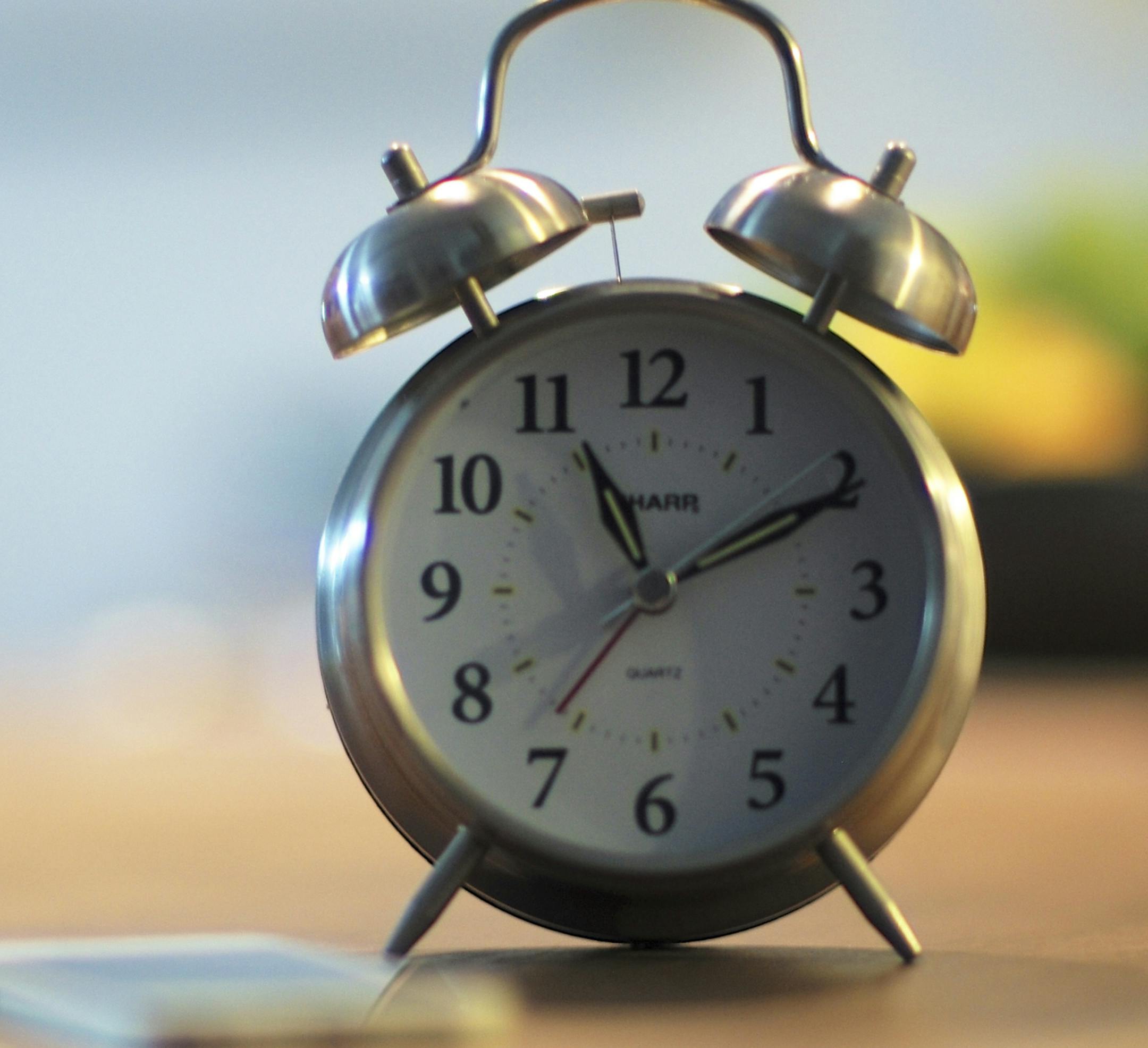
An undated photo of a traditional alarm clock. To avoid constantly checking email and Twitter in the middle of the night, a traditional alarm clock may be a better choice for the bedroom than a smartphone. This photo was posed for use as an illustration. (Nick Bilton/The New York Times)
A consistent waking up routine will help you feel like you got a good night's sleep. (The Minnesota Star Tribune)

There’s lots of advice available about how to prepare for a good night’s sleep, but what about waking up? What’s the ideal way to start your day?

Your schedule often determines when you get out of bed. But to the extent you can shape your routine, experts have some thoughts on the healthiest morning habits.

“I always joke that the best thing to do is to get a puppy,” said Mariana Figueiro, who studies light and health at the Icahn School of Medicine at Mount Sinai.

She’s only half kidding. The two keys to a healthy wake-up routine, she said, are getting up at a consistent time each day and viewing morning sunlight — both tend to come with a regular morning dog walk.

Other specialists agreed with Figueiro about the importance of these two morning habits. Here are their other recommendations — dog or no dog.

Stay consistent. There’s no “best” time to wake up, said Dr. Daniel Barone, associate medical director of the Weill Cornell Center for Sleep Medicine.

More important is that you stick to the same time, said Dr. Katherine Sharkey, an associate professor who studies sleep at the Warren Alpert Medical School of Brown University.

Your body runs on circadian rhythms that regulate not only your sleep-wake cycle but also your metabolism, appetite, hormones, mood, body temperature and cognitive function.

Waking up at a consistent time can help keep these body functions running smoothly, said Helen Burgess of the Sleep and Circadian Research Laboratory at the University of Michigan.

Waking up much later or earlier than you’re used to can make you feel drowsy or uncoordinated.

Don’t let weekends throw you off. If you feel tired enough to sleep in on weekends, Figueiro said, you’re probably not getting enough rest during the week.

In these cases, Sharkey suggested sticking to your typical wake-up time and taking a nap later that day. This can help keep your circadian rhythms in sync.

If you feel you absolutely must sleep in, Barone said you can likely get away with an extra hour. Any longer and you might experience conditions similar to jet lag.

Seek sunlight. As soon as you wake up, open the blinds and switch on the lights. Then — ideally within an hour, Figueiro said — try to get outside. Viewing any light in the morning, especially sunlight, helps signal to your body that it’s daytime, Sharkey said.

Even on overcast days, morning sunlight is strong enough to regulate your body clock, Barone said. But if you wake up when it’s still dark, he said it can be useful to turn on a powerful artificial light such as a light box. You also might try waking up to a sunrise alarm clock, which gradually becomes brighter to mimic the rising sun.

There’s no specific amount of time you must spend in the morning sunlight, experts said, but, more exposure is better.

Skip the snooze button. It may feel like a gift to yourself, but it isn’t the best way to start your day, said Ann E. Rogers, a sleep researcher and professor of nursing at Emory University.

The urge to snooze is your body’s way of saying you need more sleep, Sharkey said. If you have the flexibility in your schedule to hit snooze, you’re better off setting your alarm for the end of your snooze window and getting up then. That way, your body can get the extra rest it craves — uninterrupted.

about the writer

about the writer

Caroline Hopkins Legaspi

New York Times

More from Lifestyle

See More
card image
SARAH RICE/The New York Times

Also, expect multiple celebrations and ceremonies to be held at unconventional venues.

card image
card image