

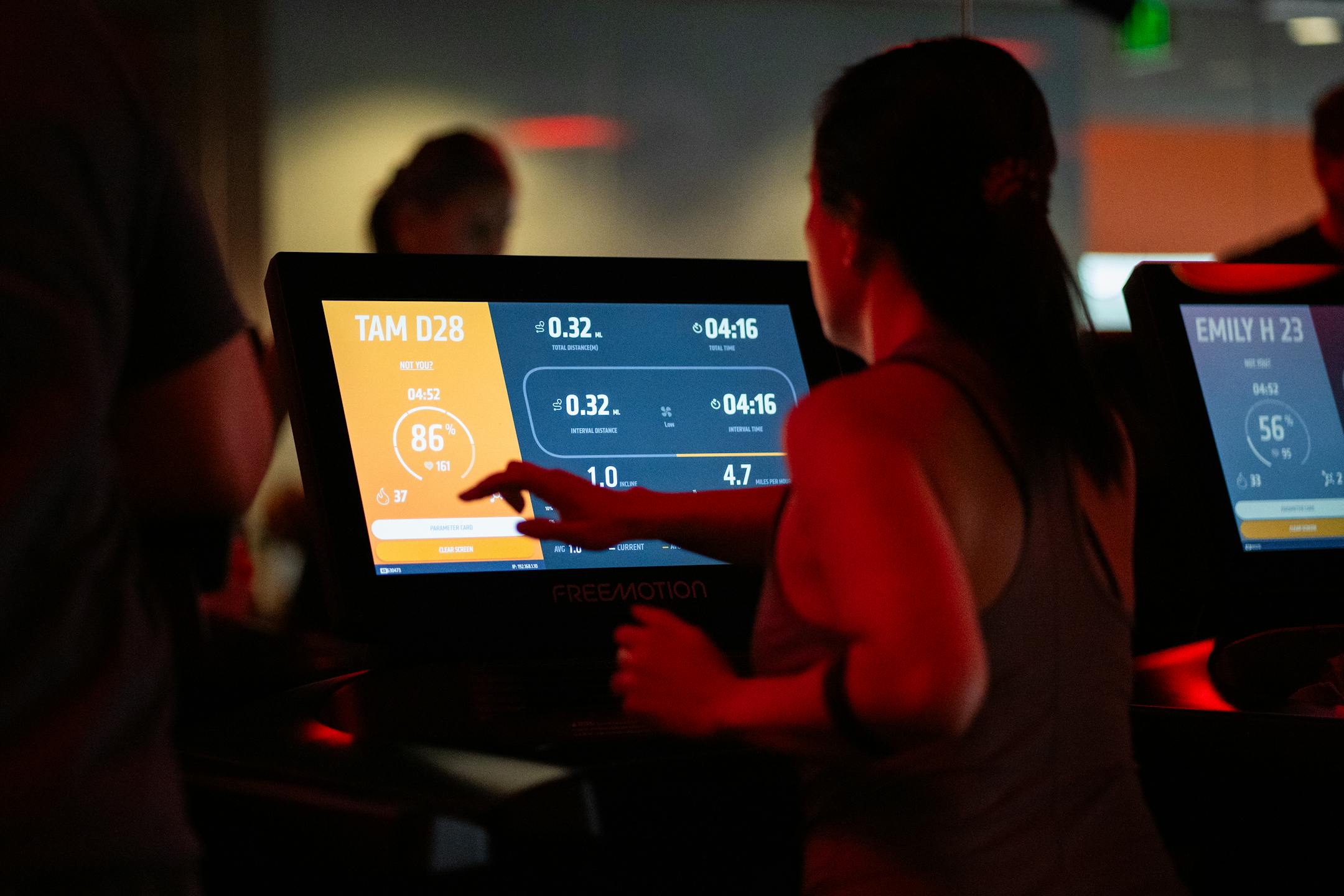
It’s easy to dislike the treadmill. The lack of scenery and variety has led some exercisers to nickname it the “dreadmill” and Satan’s sidewalk. But if you can’t get outside, it can be a lifesaver.
The treadmill allows you to precisely control your workout, which is both good and bad. You can experiment with short, powerful intervals or hills, for instance, but it’s also easier to fall into a pace that doesn’t really challenge you.
“To keep improving, your body needs to experience a bit of a crisis: a faster pace, a steeper incline or a longer interval rep than you’d usually do,” said John Davis, a biomechanics researcher and running coach in Minnesota.
Here’s what you need to know to get the most out of your time on a treadmill.
There are two primary controls on most treadmills: speed and incline. If it’s been a while since you used one, start by spending some time familiarizing yourself with the controls, walking very slowly to start.
The springiness of a treadmill platform will vary, which can impact how much energy you need to maintain a certain pace. A bouncier platform can feel gentler on your body, but it’s generally slower, like running or walking on grass or dirt.
On a treadmill, it can also be easy to lose focus and wind up locked into a different pace than you planned, so pay attention to your body. “You can always increase the pace later, but starting conservative helps prevent you from getting fatigued too quickly,” Davis said.
Once you are comfortable, you can mix it up with a running or walking workout.


