

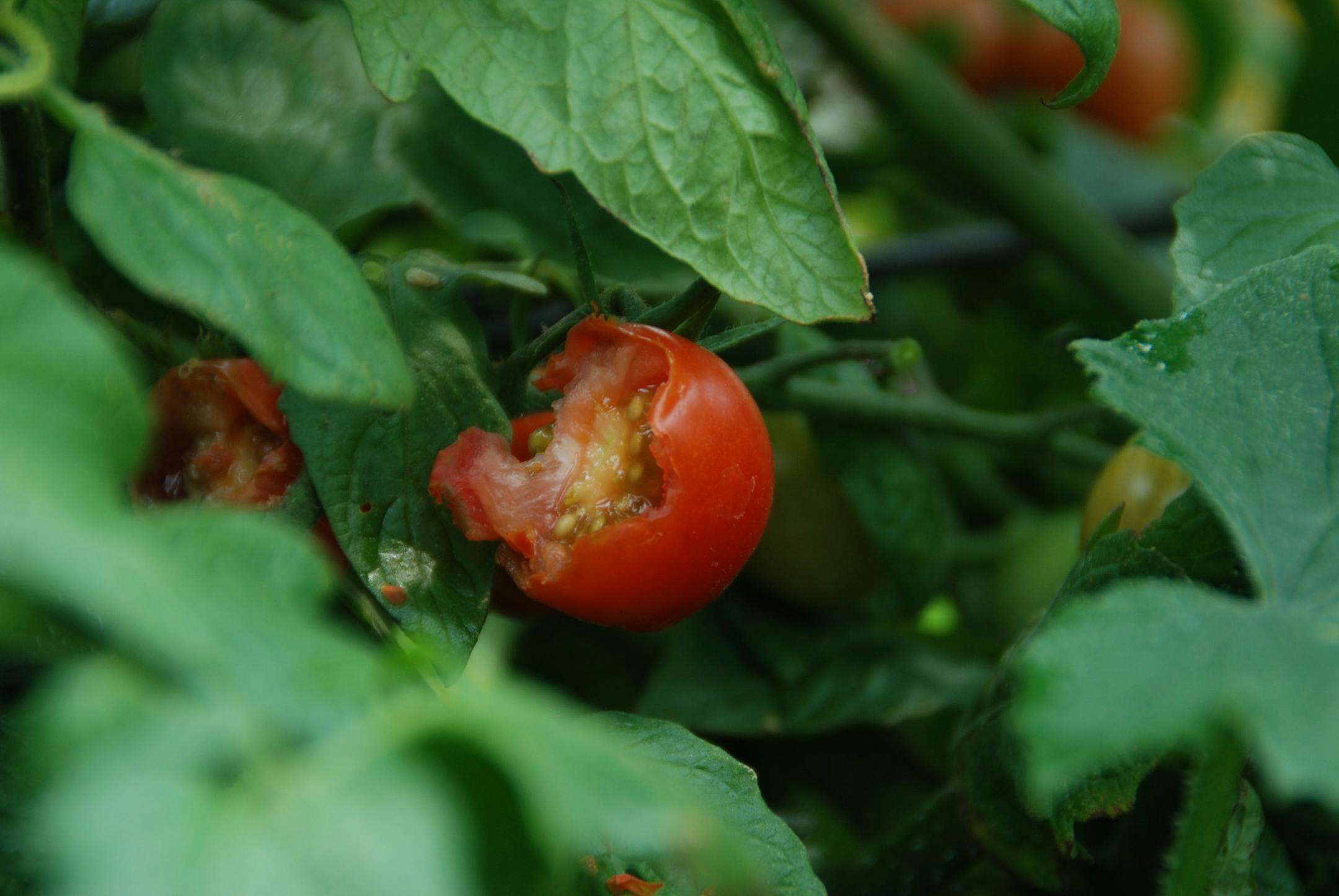
You take a walk through the garden and find branches trimmed, flowers missing or bark damaged.
Of course, the culprit is nowhere to be seen. You may have suspects in mind but a close look at the damage and surroundings can help you identify what's dining on your plants.
Knowing this can help you reduce the risk in the future. A bit of defensive action goes a long way in protecting your gardens and landscape from hungry critters this season.
Rabbits can be found year-round in the landscape. Their sharp teeth make a 45-degree clean cut much like your bypass pruners. Their damage usually occurs within their 3-foot reach.
Rabbits eat a variety of flowers and vegetables throughout the spring and summer. As these plants fade in fall, they begin dining on trees and shrubs. You may find bark gnawed and branches, stems and buds clipped off plants.
Deer will tear on vegetation, leaving a ragged tip on browsed plants. You may find damage on a variety of flowers, vegetables, trees, shrubs and plants pulled out of the ground with the distasteful ones left behind.
Then in the fall, the bucks rub trunks of young trees, damaging the tender tissue below that transports water and nutrients between the roots and leaves. Deer usually feed at dusk, but as they become comfortable around people they can often be spotted dining during the day.
Voles are brown rodents that look similar to field mice with small ears and short tails. These rodents are active year-round, going after seeds, plant roots and bulbs.


