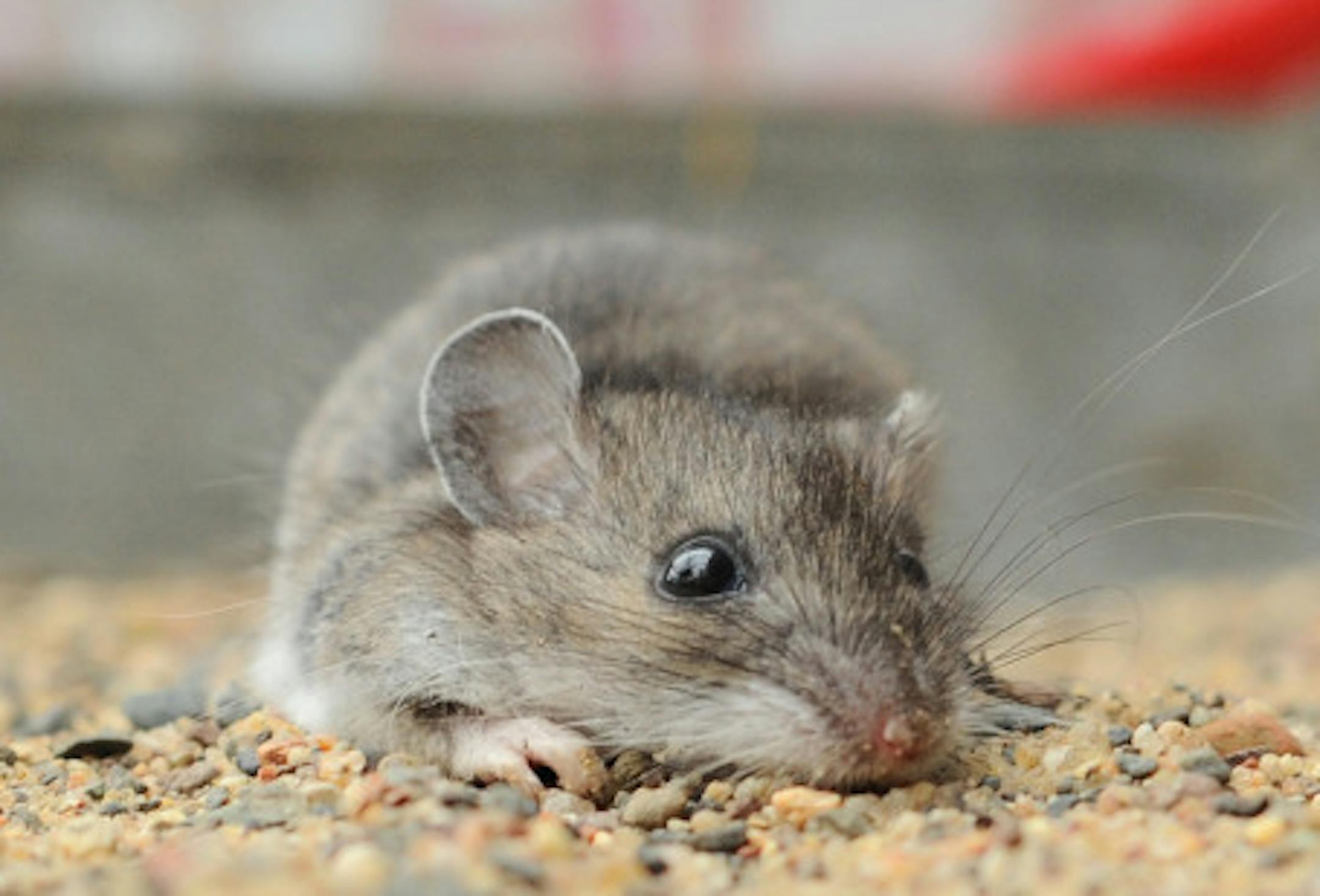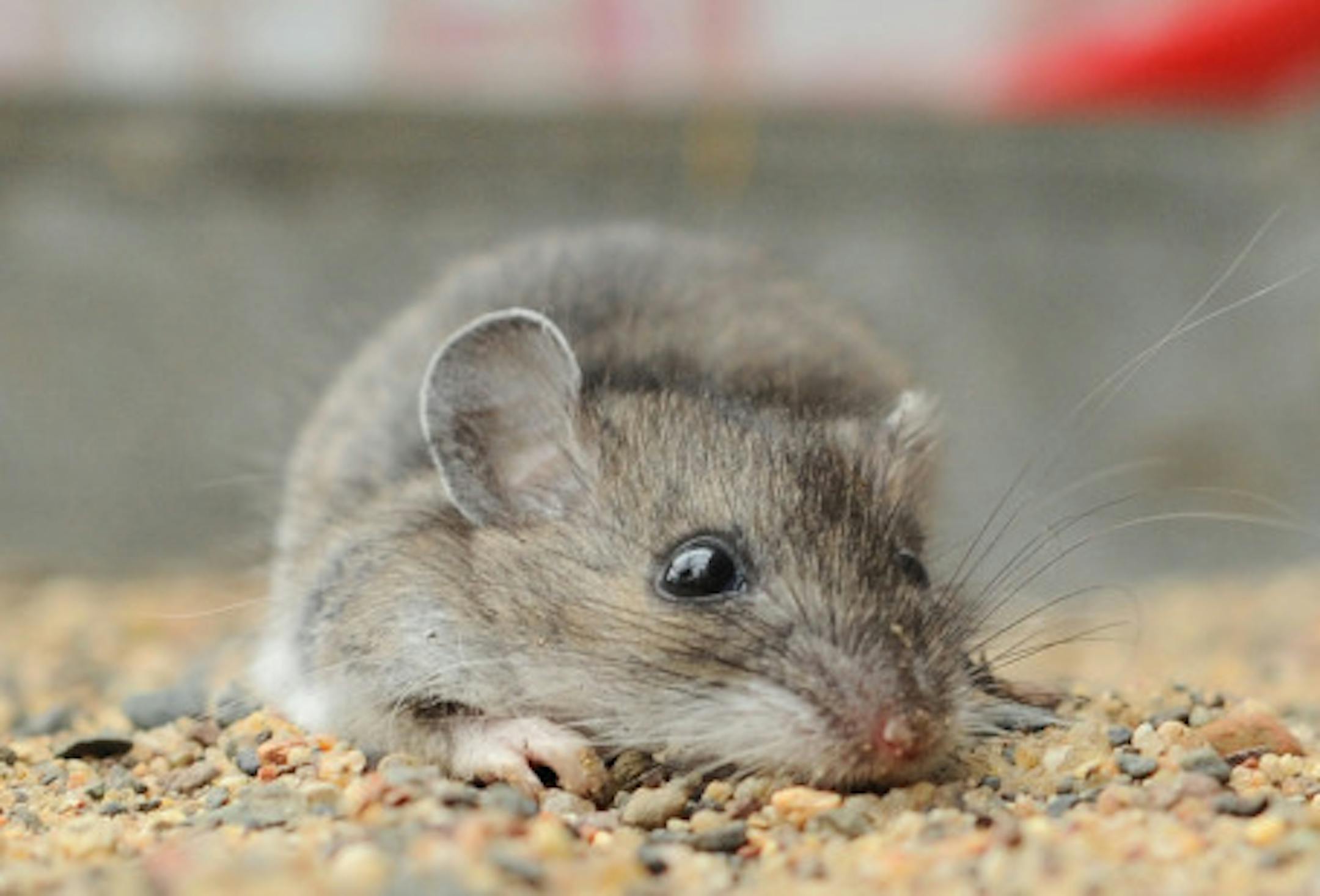
Checking my trapline this morning I found two mice, a North American Deermouse and a White-footed Deermouse. I was pleased for two reasons. First, the mice were not going to get into the house. Second, I could identify them.
I once knew a birder who had seen more species of birds in Minnesota than anyone else. He also had found all 43 of Minnesota's wild orchid species. Few birders afield ignore nature's other offerings. ID guides to insects, flowers, trees, frogs, mammals, etc., prove handy. I was able to put names to my mice thanks to a new guidebook I recently acquired: "Mammals of North America," second edition, by Roland Kays and Don Wilson, Princeton University Press. It's a fine guide, and I'll keep it handy.
I've had an old and not-helpful mammal guide for many years. I've thought of buying a new book only when I wished I had one handy, never in a bookstore. I photograph mammals as well as birds. But finding mammals to photograph or identify is much tougher than pursuit of birds for similar purposes. Mammals are shy, often nocturnal, and extremely habitat specific. Strong winds do not blow migrating mammals far off course, as happens with birds (not that many mammals migrate).
The traps, which captured my pair of mice, are set in a small greenhouse attached to our home. It is rodent central at times, offering shelter. I'm opposed to that. My trapping is a pro-active attempt to keep the mice out of our house. The fun of iidentification is a bonus.
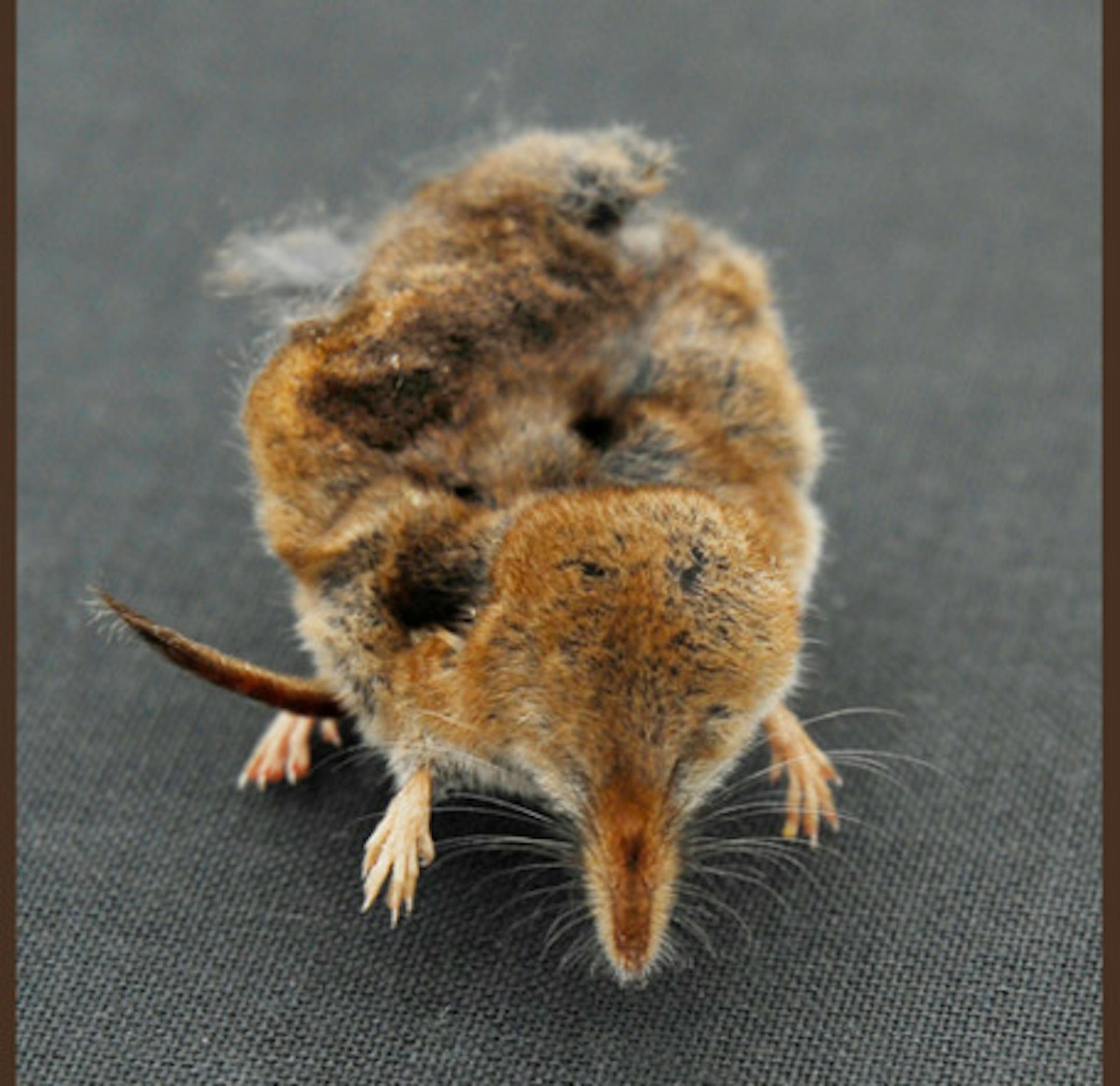
I've caught many mice over the years, most of them the same species as this morning's (I think). I remember nothing particularly different about them. Except for one. This spring I caught a Cinereus (or Masked) Shrew, one of the smallest mammals in North America. Including tail, it was just over two inches long. Unfortunately, the trap not only killed the critter but mangled it as well. It would have been nice to preserve it somehow, since I don't expect to see another. I did intend to keep the skull, to add that to the small collection of mammal skulls I have. I buried the shrew in a pot in the greenhouse, so nature would remove flesh and hide. I marked the pot for later examination. I've lost track of it, I'm afraid. All I have is a photo (below, with the White-footed Deermouse).
It's the small mammals that interest me most, coincidentally the same ones that interest some birds of prey. I wish I had their ability to pick mice and voles and shrews out of a grassy field. But I do have those traps.
"Gopher"
Browsing that Princeton mammal guide this morning, I discovered that I've misidentified our state mascot, the gopher (full name the Plains Pocket Gopher) for my entire life. In fact, I don't think I've ever seen a true gopher. I've been calling the Thirteen-lined Ground Squirrel, that striped fellow you see standing along the road, "gopher" for all these years.