

Opinion editor's note: Star Tribune Opinion publishes a mix of national and local commentaries online and in print each day. To contribute, click here.
•••
Few shopping experiences are more intimate than a visit to the pharmacy. The contents of your basket may disclose waxy ears, hemorrhoids, insomnia, constipation, a messy rash or the compulsion to try all permutations of Reese's product line. The pharmacy is a place where people like to slip in and out unnoticed, hoping the cashier doesn't linger over each item at checkout.
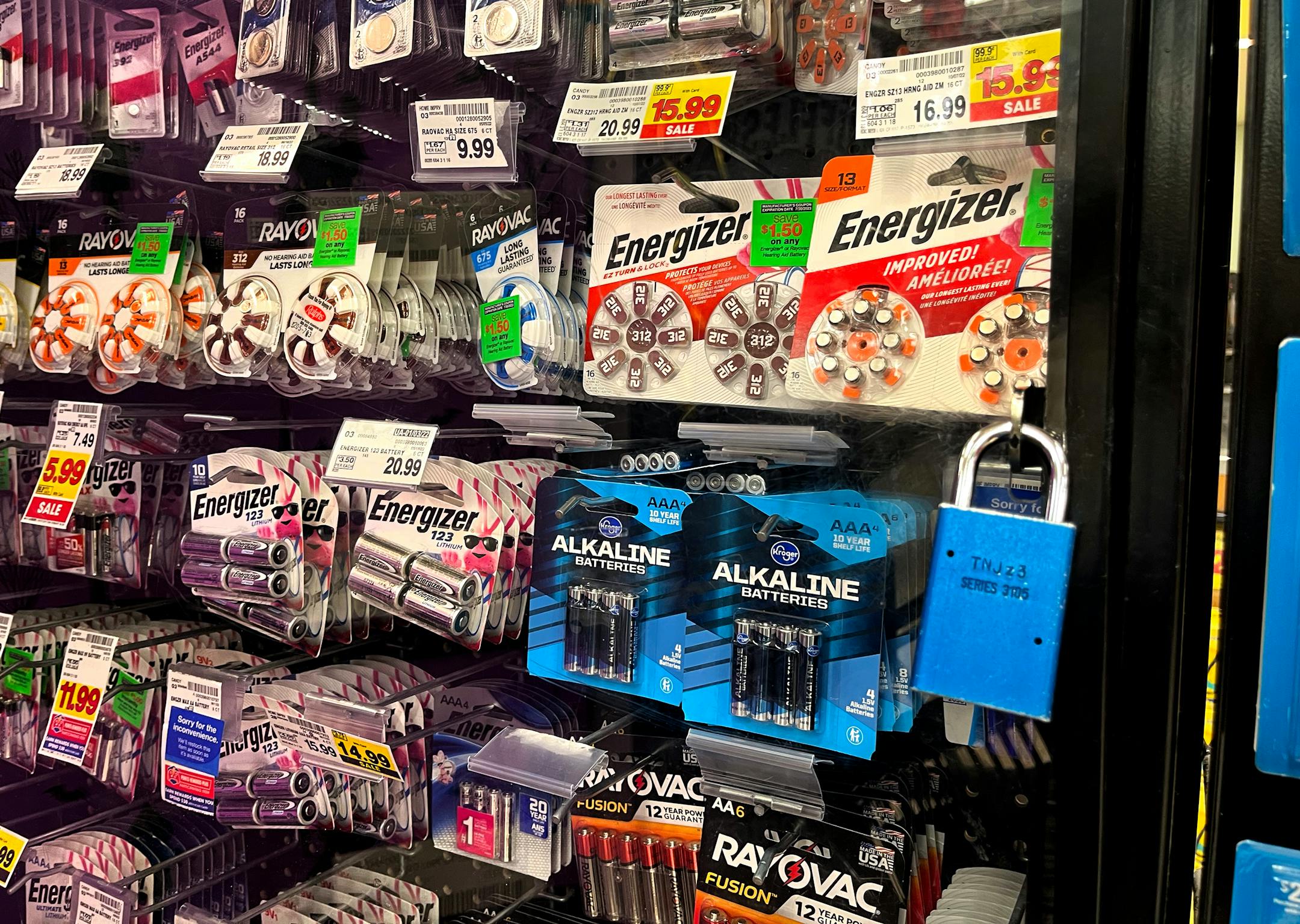
But privacy is harder to preserve now that drugstores, to thwart shoplifters, increasingly lock their stock behind cabinet doors, with buttons to push in order to get an employee's attention. A pimply boy has to hail an employee to free his benzoyl peroxide and a 14-year-old girl needs to be watched as she selects a tampon that suits her cycle. Even for adults, it's hard not to be self-conscious about having a store employee trail you through the drugstore like a personal shopper as you ponder which dental floss to buy.
I thought about this sad atmosphere of surveillance during one of my recent visits to San Francisco, where the broader downtown retail environment has been left tattered by store closures. Walking from aisle to aisle pushing a series of buttons, I felt like an imposition on a pharmacy's meager staff. After a string of these requests, I left before securing everything I'd planned to buy. The whole experience felt bad: I was sorry for the shopkeeper, sorry for the employees, sorry for being there, sorry for not buying enough. I made no impulse purchases.
There's good reason for the added security. The material costs of shoplifting are considerable. In 2021, an estimated $94.5 billion nationwide was lost to shoplifting and other forms of "retail shrink" (which includes damaged or lost goods and employee theft). According to a survey conducted by the National Retail Federation in June, 53% of consumers believe that retail crimes such as shoplifting and looting have increased in their communities since the pandemic.
The social and economic causes of shoplifting have become a source of debate, as has the extent of the problem. There are complicated questions around criminal enforcement, policing and punishment.
But leaving those issues aside, there is also an undeniable quality-of-life impact from the real or perceived increase in shoplifting. It is felt by shoppers, store employees, security personnel, store owners and our communities — and in ways more serious than awkward encounters over tampon purchases.


