

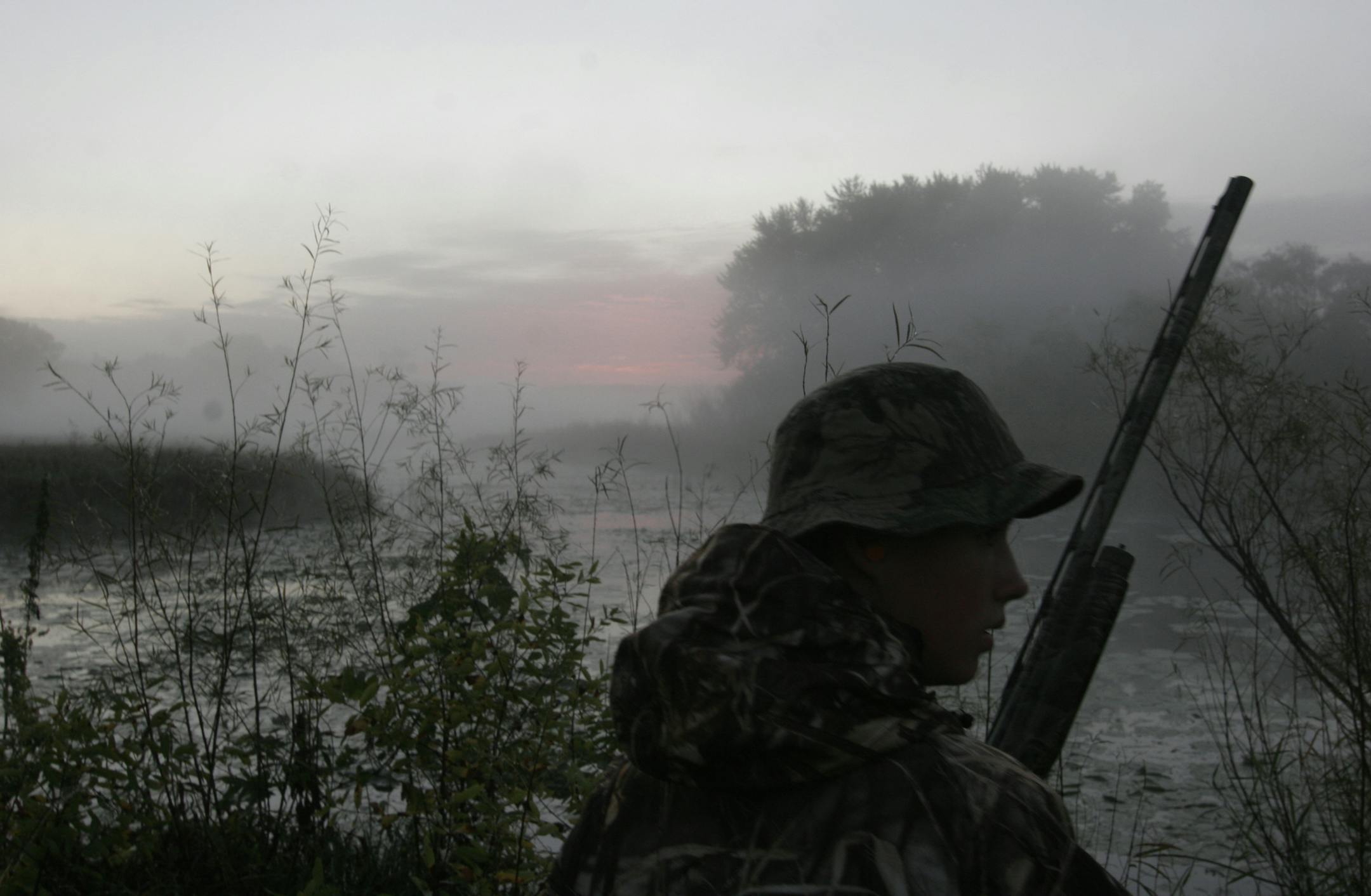
Minnesota waterfowl hunters don't care much for a proposed early teal season, don't support restrictions on spinning-winged decoys, widely approve of the one-day Youth Waterfowl Day and generally are fairly satisfied with current hunting regulations, according to a scientific survey conducted by the University of Minnesota for the Department of Natural Resources (DNR).
The survey, taken of hunters 18 and older last year, is the eighth conducted since 2000 to gauge waterfowl hunter sentiments. The 2014 survey of 1,700 hunters is brimming with interesting opinions and insights that reflect the views of Minnesota's 77,000 waterfowlers.
Among them:
Satisfaction
Sixty-six percent of duck hunters were satisfied with their overall duck-hunting experience in 2014. Twenty-five percent were dissatisfied. But when it came to actual duck harvest, 46 percent were dissatisfied and 42 percent were satisfied. For goose hunters, 58 percent were satisfied with their general goose-hunting experience, while 39 percent were dissatisfied. But 42 percent were dissatisfied with their goose harvest.
Spinning-winged decoys
DNR regulations restricting the use of spinning wing decoys during the first two weeks of the season are opposed by a significant share of state waterfowlers. Nearly 43 percent disagree with the restrictions, while 24 percent support them. The rest were neutral.
Previous surveys were more supportive of the spinning wing restrictions, noted Steve Cordts, DNR waterfowl specialist. The restrictions are in state statute, so the DNR would have to ask the Legislature to change them, which Cordts said might happen. About 42 percent of hunters own them, and 34 percent used them last year.
Early teal season
Minnesota has had the opportunity to offer a September early teal season, but the DNR has declined to do so. According to the survey, there's not a lot of support for the idea from hunters. Forty-one percent opposed the idea, while nearly one-third supported it. They were asked how such a season would affect their waterfowl hunting, and 40 percent said they thought it would degrade the experience. About 20 percent said it would improve their waterfowl hunting. A majority of hunters thought a teal season would disturb waterfowl before the regular season, and they were concerned that hunters would accidentally shoot other species.
The issue is fairly moot now: the state had a two-year window to offer an early teal season as part of an experiment by the U.S. Fish and Wildlife Service. That window has closed.

