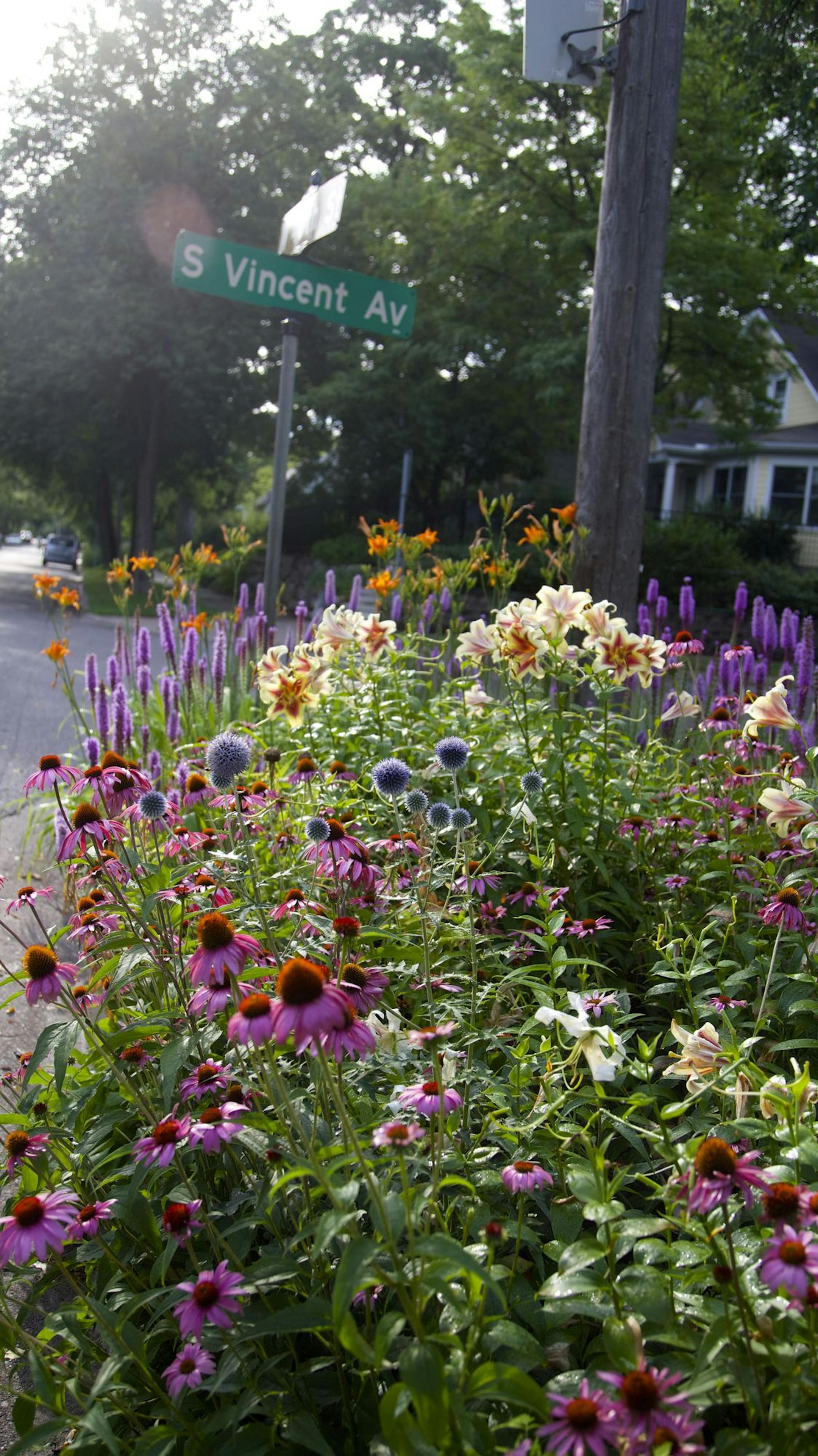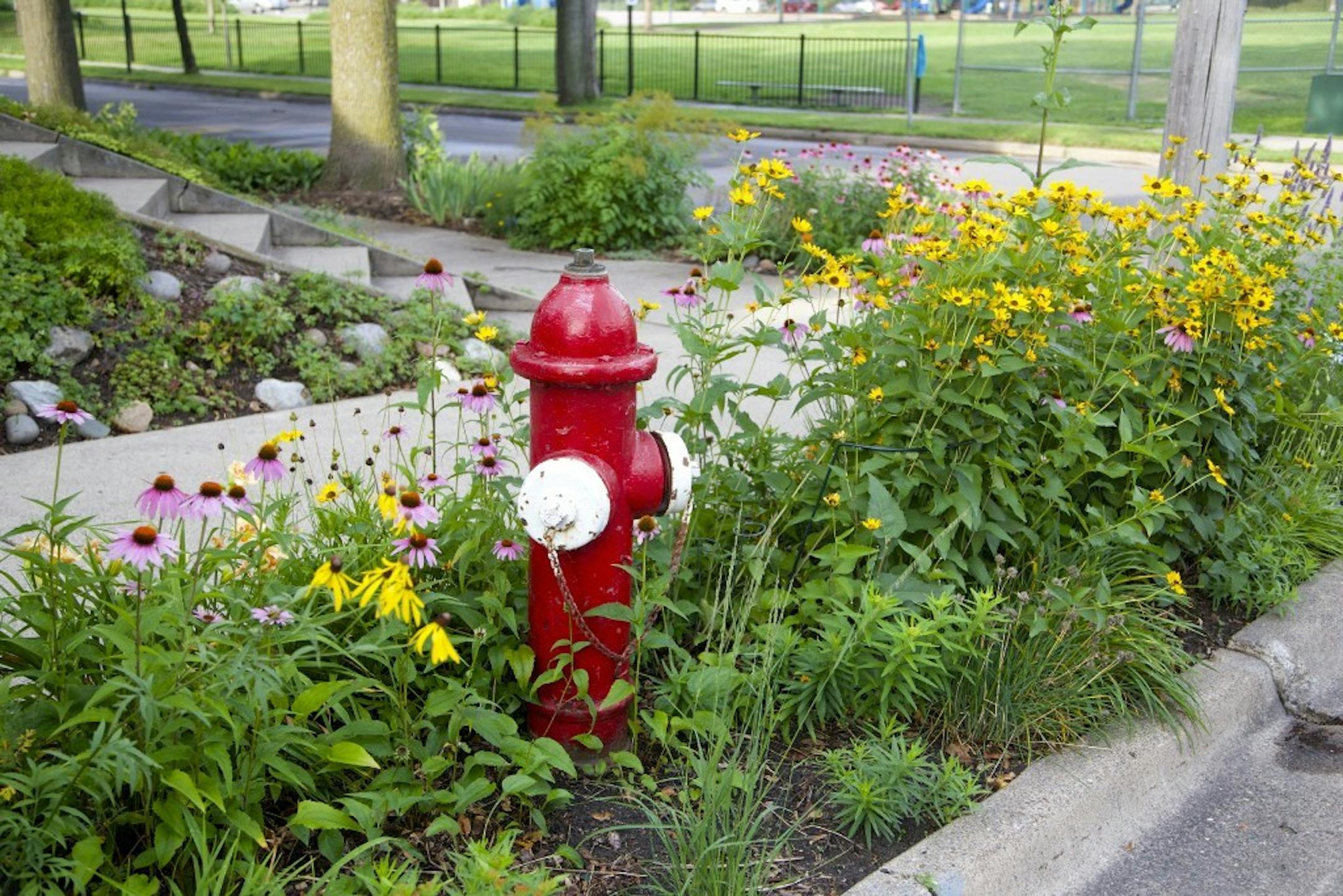
Consider the boulevard — that narrow buffer between the street and the sidewalk, usually a bland band of grass concealing an underground network of gas pipes, sewer lines and cables.
To some gardeners, it's a hellstrip, an awkward botanical no man's land, suitable only for sod.
But a growing number of urban gardeners are seeing opportunity and prime real estate ripe for planting. In older neighborhoods with mature trees, often the boulevard is the only sunny, level spot on one's property. And a boulevard planting, at its best, can be an extension of your front garden, a welcoming first impression that beautifies the street, reduces runoff and facilitates neighborly interaction. Think of it as an attractive setting for those lingering Minnesota goodbyes.
Technically, you own the boulevard, but it's an easement that your city has the right to excavate should utility problems arise. Keep this in mind before you begin gardening, since the city is not obligated to repair any damage if this occurs. In addition there are regulations and other practical issues to consider before you proceed to plant. Rule No. 1: Notify Gopher State One Call (651-454-0002, gopherstateonecall.org) before you dig. It's free, and now there's a 24/7 app available. No excuses.
Know the rules
While boulevard garden rules vary from city to city, Minneapolis code prohibits growing of edibles, weeds or "noxious plants" on the boulevard, unless a permit for such is issued by the city. Flowers and grasses are fair game.
However, in Minneapolis, boulevard plantings are required to max out at 36 inches in height and to not exceed 18 inches in height within 20 feet of any intersection, alley or driveway approach. This is not the city trying to stifle your horticultural aspirations but a safety precaution, so there is no sight obstruction.
Boulevards take a lot of abuse from road salt, snow load, litter and other pollution — a good reason for the no-edibles clause. Any boulevard plantings will have to allow for those hazards, as well as car doors, foot traffic and trash cans. This is not the place to plant delicate lady slippers.
In some parts of the country, boulevards are referred to as tree lawns, and our beleaguered boulevard trees merit special consideration. Major tree roots occupy the top six inches of soil surrounding the tree. Any changes in soil level or deep cultivation around roots can be fatal to trees. To determine where it's safe to dig, measure the circumference of the trunk at a point 4½ feet above from the ground, then multiply this number, in inches, by 1.5 to determine a safe zone.