

Just when the garden is starting to look tired, we have the chance to start all over again.
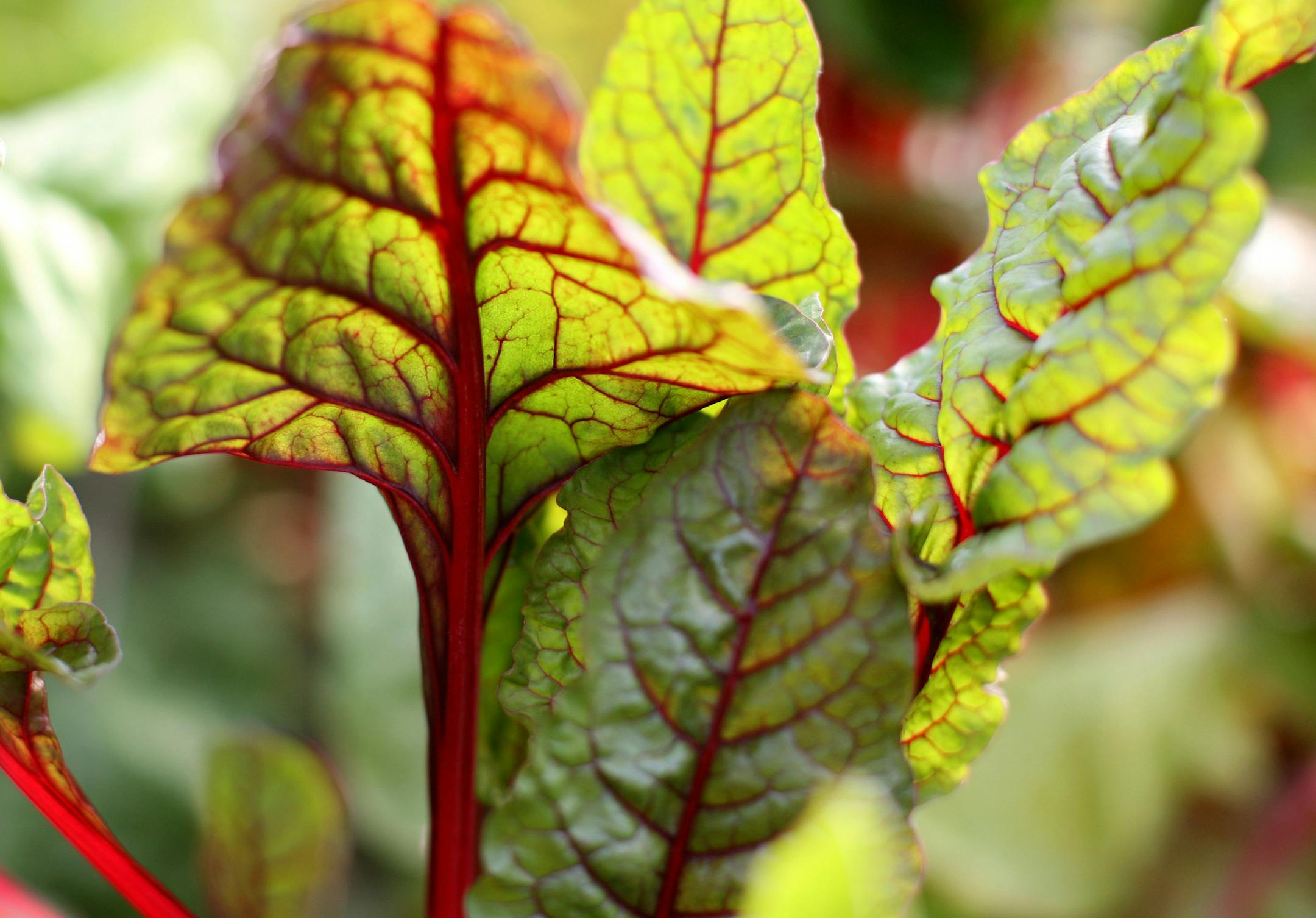
Early August is a great time to plant vegetables for fall harvest. Spinach, kale, beets, turnips, peas, radishes, Swiss chard and other crops that prefer cool weather will mature just as the temperatures begin to drop. Many of those vegetables will grow sweeter if they have a brush with a light frost.
Planting for fall harvest has other advantages. With no worry of frost to endanger baby plants, you can sow seeds directly in the garden. And midsummer planting usually comes after the peak activity of the many bugs that plague vegetable gardens earlier in the season.
There's no need to limit yourself to classic vegetables for midsummer planting. If you have leftover arugula or cilantro seeds, there's still time to grow and harvest those fast-growing plants. Both can be harvested about a month after sowing.
If you're planting a fall crop in a garden that's already been used this summer, it's a good idea to dig in some balanced fertilizer so the new plants aren't growing in depleted soil. A light application of 5-5-5 or 10-10-10 granular fertilizer (the numbers indicate levels of nitrogen, phosphorus and potassium) mixed into the soil should do the trick.
Don't over fertilize. Too much is worse than none, and will burn plants. Look to the label for guidance on how much to apply.
As you plan your fall harvest, look for seed varieties with short maturity dates. Depending on what variety of peas you plant, you'll get fruit anywhere from 58 to 80 days after seeds sprout. Shorter is usually better for fall harvest. Plan around the calendar. In the Twin Cities area, our first frost usually hits between Oct. 1 and 10, though earlier frosts are common.
Lettuce is an easy fall crop. Planted in the spring, lettuce often "bolts" and begins to set seed in the summer heat. Leaves grow bitter. Usually that's not a problem in the fall. Lettuce can be harvested in five to six weeks.
Leafy greens like spinach and kale also thrive in cooler autumn temperatures. Sow seed directly in the ground, and watch carefully for sprouting plants. To avoid damage from squirrels and other critters that like to dig wherever you've disturbed the soil, put a tent of chicken wire over the area until the plants are up and established.

