

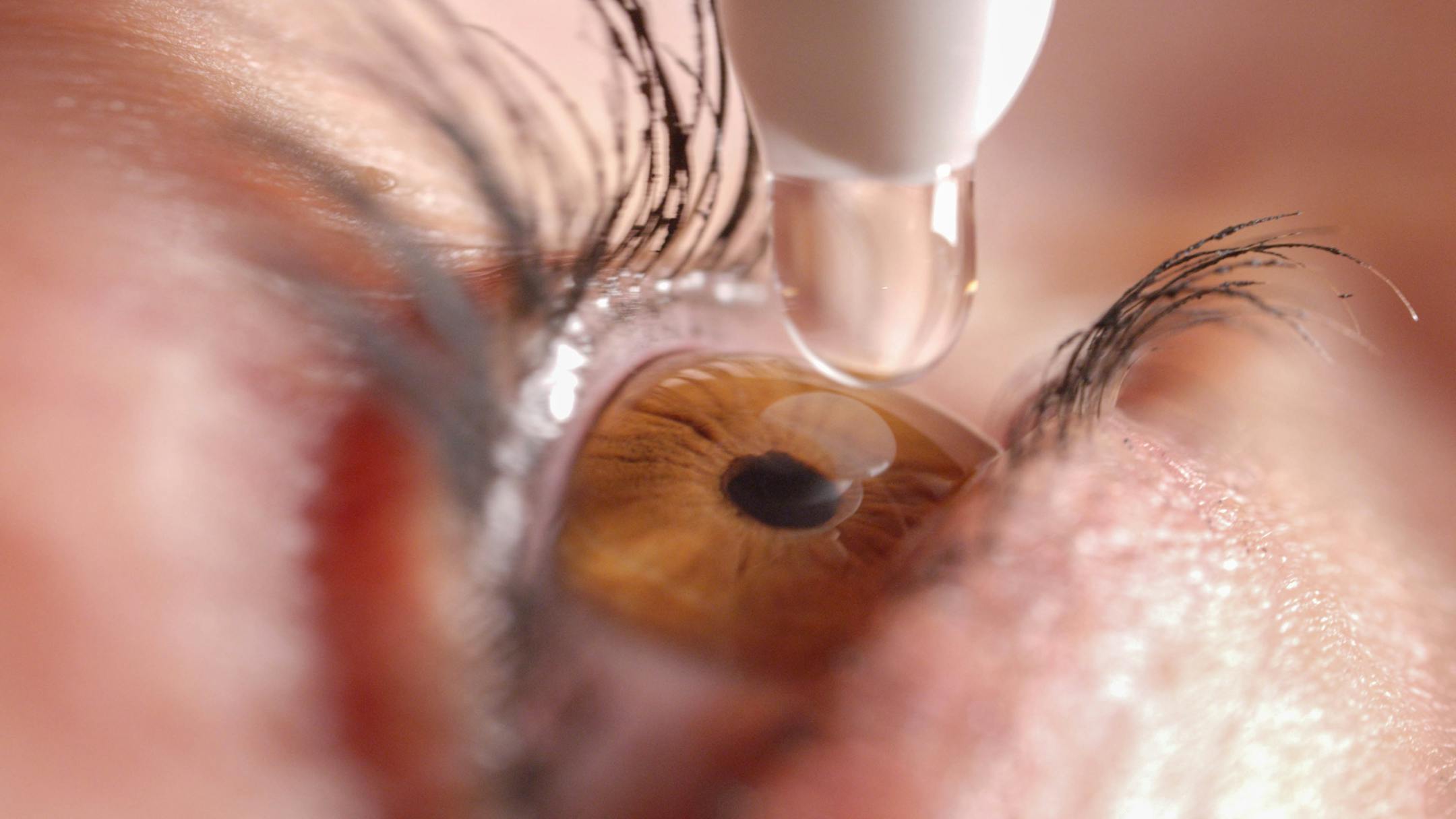
Two brands of eyedrops were pulled from shelves in January and February after they were linked to a drug-resistant bacteria strain that has caused at least one person's death and serious health issues in others. Weeks later, two other types of eyedrops were recalled because they posed a different kind of contamination risk.
This flurry of recalls may have you second-guessing your trusted source of dry-eye relief, but there are significant differences among the recalls and plenty of steps you can take to stay safe.
"I would encourage all people out there who take eyedrops to continue using them, of course making sure that they're not using any of these that are recalled," said Dr. Christopher Starr, a clinical spokesperson for the American Academy of Ophthalmology.
Here's what to know about these recalls.
What eyedrops have been recalled?
In January, the Centers for Disease Control and Prevention and the Food and Drug Administration warned people to stop using EzriCare Artificial Tears and Delsam Pharma's Artificial Tears after the eyedrops were linked to a drug-resistant strain of the bacteria Pseudomonas aeruginosa. Infections from this bacteria strain have caused at least one person's death, vision loss in eight others and the surgical removal of four people's eyeballs.
Global Pharma, which makes EzriCare and Delsam Pharma's eyedrops, recalled both products in February.
Last week, a Florida woman sued Global Pharma, claiming that an infection caused by the eyedrops was so severe that doctors had to surgically remove one of her eyes.


