

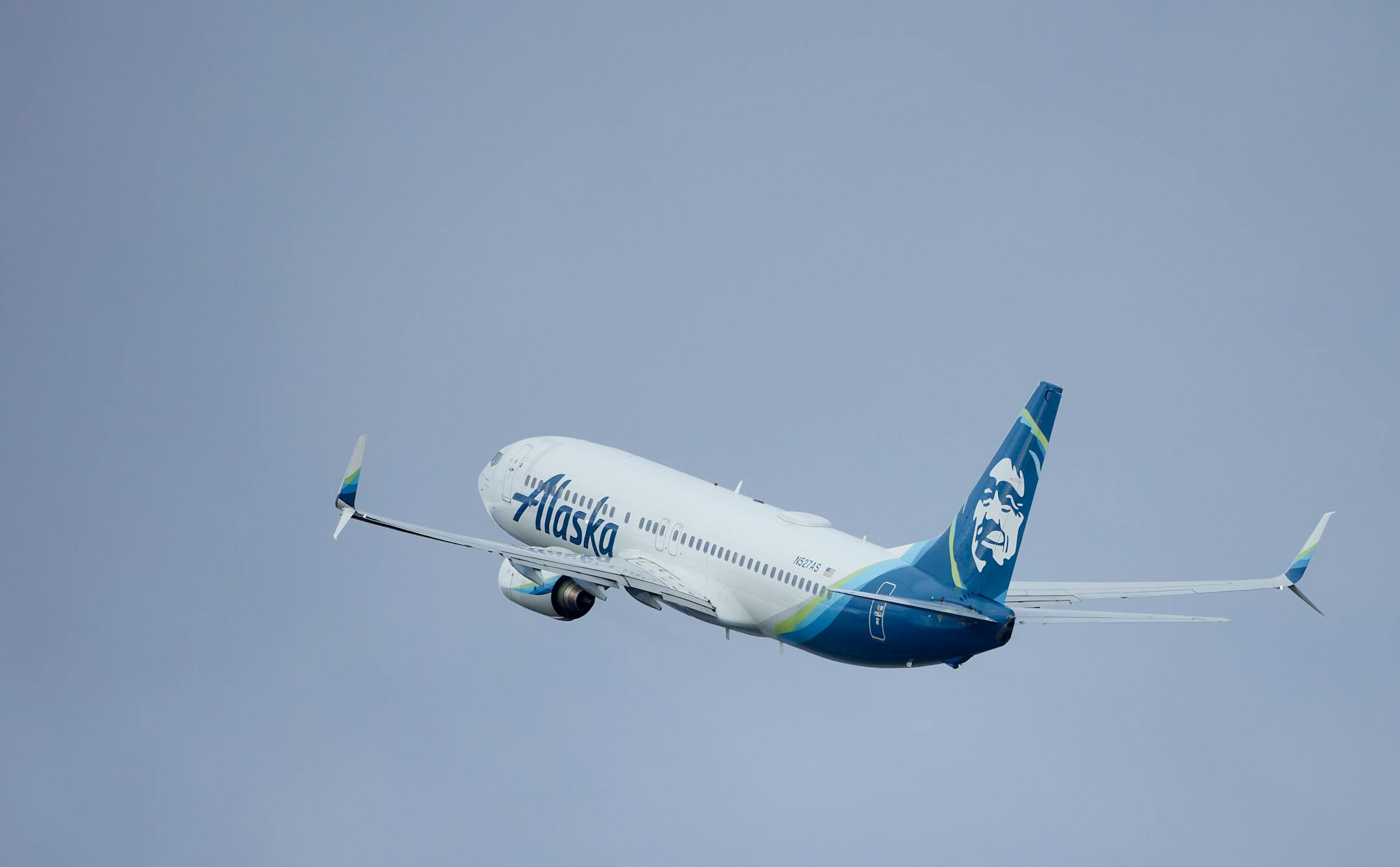
While aviation experts have said crashes and hazardous emergencies are "extremely rare" and the nonprofit National Safety Council has said the odds of dying in a passenger aircraft within the United States are too small to calculate, two aviation-related incidents from this week have brought the question of safety aboard an aircraft back into the public consciousness.
On Friday, an Alaska Airlines plane made a dramatic emergency landing after a piece of the Boeing 737-9 Max plane's wall blew out midair. Earlier in the week, a Japan Airlines jet caught fire after colliding with a coast guard plane at Tokyo's Haneda Airport, killing five coast guard crew members.
All 171 passengers and six crew members on the Alaska Airlines flight as well as the 367 passengers and 12 crew members on the Japan Airlines jet survived the incidents. Flight safety experts attributed the success of the Alaska Airlines emergency landing and Japan Airlines evacuation to the crews' strict guidance and passengers' compliance.
Commercial air travel is one of the safest methods of transportation, according to the National Safety Council, and although danger is rare, it does happen. When disaster strikes, being prepared by wearing natural fibers, rather than synthetic, in the event of a fire, or simply listening to the preflight safety brief so you know how to don an oxygen mask, can save lives.
Here's what experts say to stay safe in an air accident or incident:
1. Before the flight
Before leaving home, flight safety expert Anthony Brickhouse says passengers should consider wearing long pants and closed-toe shoes for protection in case they need to disembark without notice. They should also eat a meal before boarding the plane in case the aircraft makes an emergency landing far from an airport.
During boarding, passengers should make note of where the emergency exits are, including the one closest to them. In the event of an emergency evacuation, experts recommend leaving all belongings behind. They should also listen to the safety briefing before takeoff, and follow all instructions from flight attendants and pilots.
"They are providing vital information to passengers about the airplane itself, about what they should be doing in case of emergency - that's important information, even for seasoned travelers," said Hassan Shahidi, president and CEO of the Flight Safety Foundation. "When an emergency happens, that becomes even more important."


