

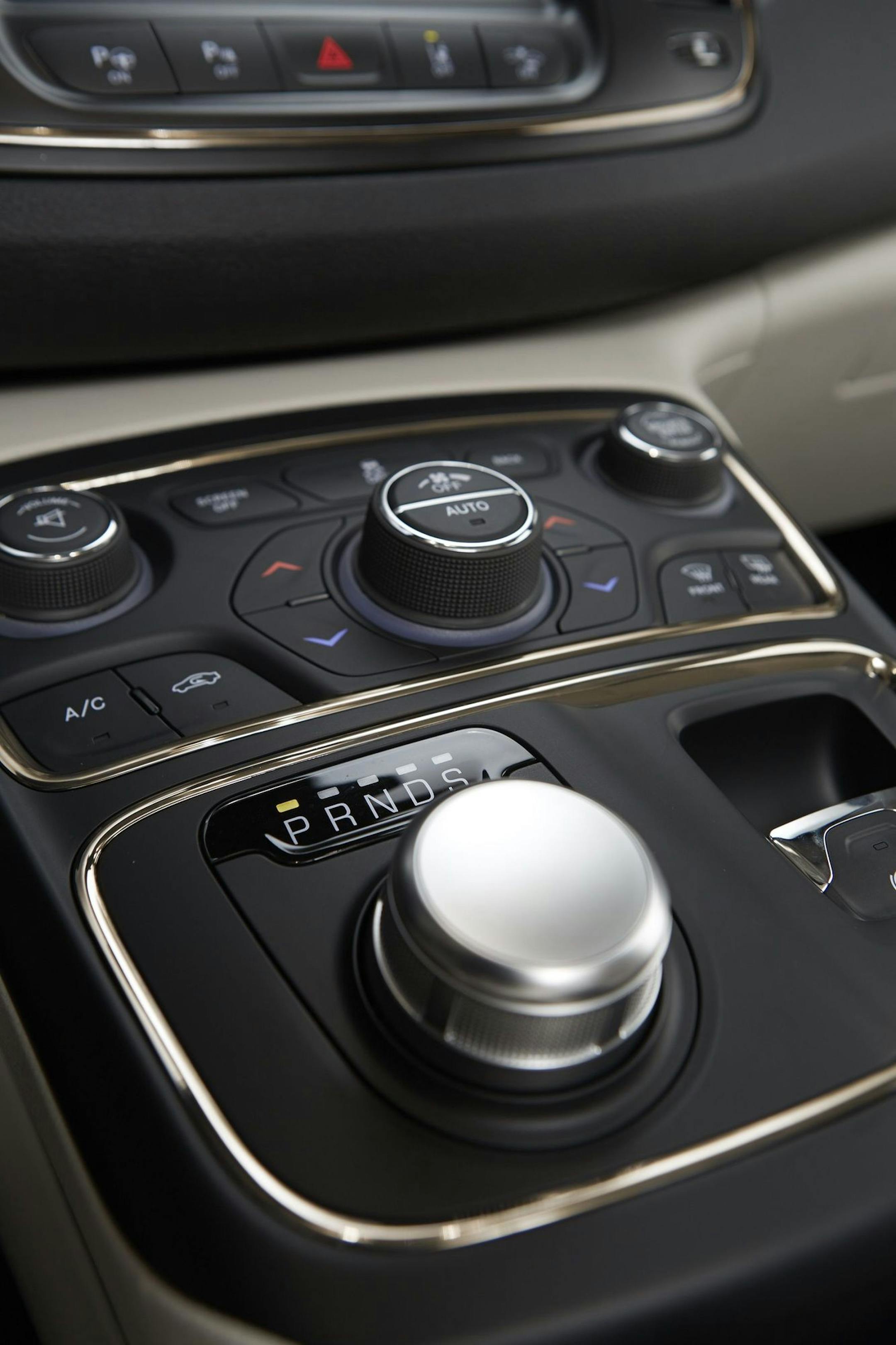
Technology — ranging from weight-saving aluminum to a feature that allows owners to interact with a vehicle using wearable gear — is moving front and center in upcoming 2015 vehicles.
And in this regard, the automotive industry seems to be in sync with the desires of new-vehicle buyers, according to the recent J.D. Power 2014 U.S. Avoider Study. The survey examined the reasons owners bought, rejected or avoided particular models when new-vehicle shopping.
Of the consumers surveyed, 38 percent who bought domestic vehicles and 33 percent of import buyers said the latest technology features were a reason for their purchase. (For a third consecutive year, gas mileage was the most important reason for purchasing a vehicle, with 15 percent.)
These are some of the technologies consumers can expect to tempt them in future 2015 models.
Connected cars
Hyundai Genesis sedan owners will be able to connect with their vehicle using wearable devices. Hyundai's cloud-based Blue Link technology will make remote start and service information quickly accessible, without the inconvenience of pulling out a smartphone, through new devices like Google Glass.
More vehicles are coming with built-in Wi-Fi hot spots. They include GMC's 2015 Canyon midsize truck and Cadillac's ATS coupe, which has a new OnStar system with a hot spot that can connect seven devices at once. Audi's A8 navigation system tops that by connecting eight.
Aluminum vs. steel
Ford put its "Built Ford Tough" reputation on the line with extensive use of high-strength, military-grade aluminum in its upcoming 2015 F-150, which makes it 700 pounds lighter. Replacing steel body panels with aluminum should increase fuel economy, but Ford has not released those figures.
The Mercedes-Benz C-Class is 220 pounds lighter than the previous model, helped by a "significant" content of 60 percent aluminum, resulting in 20 percent less fuel consumption.


