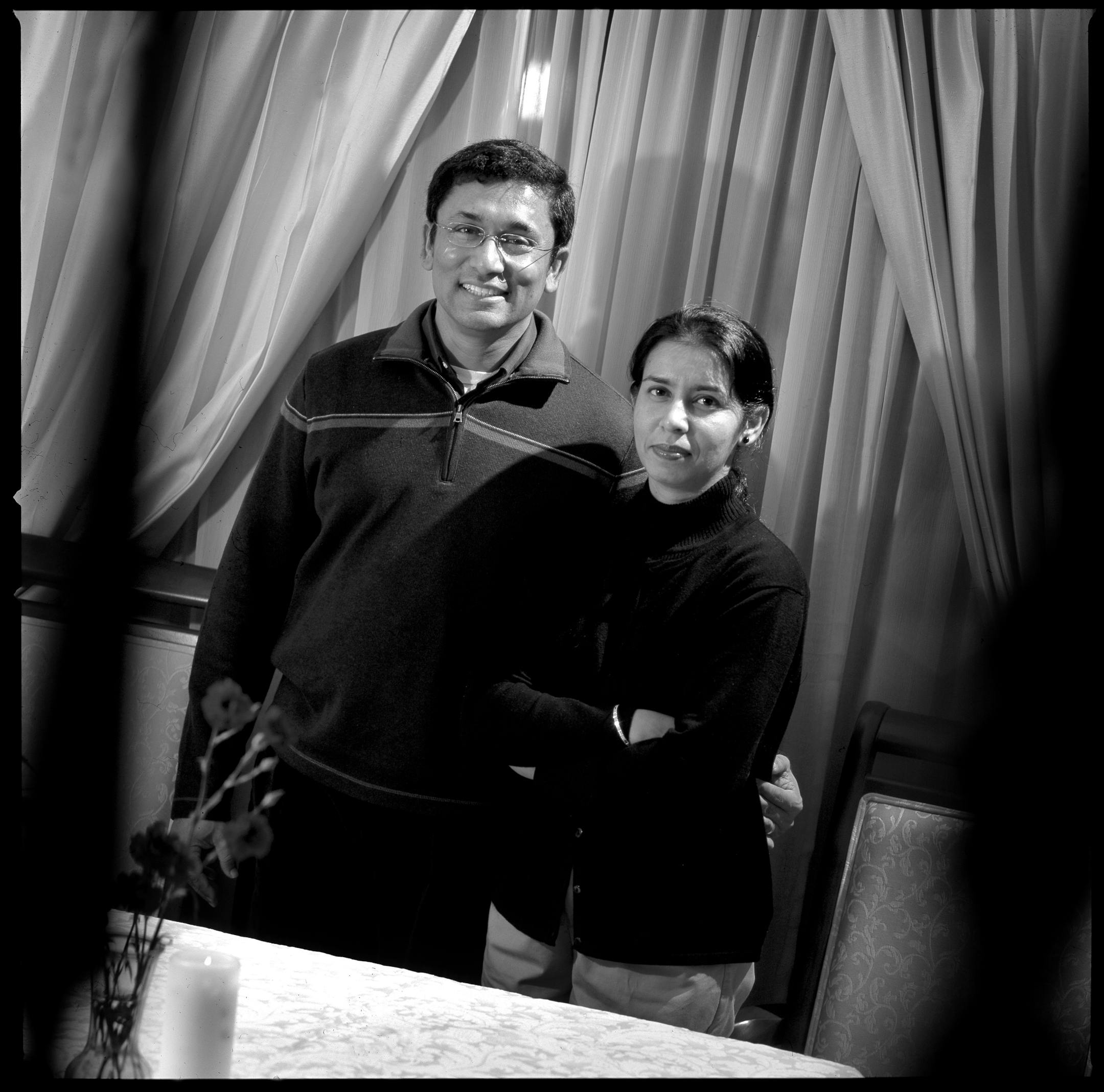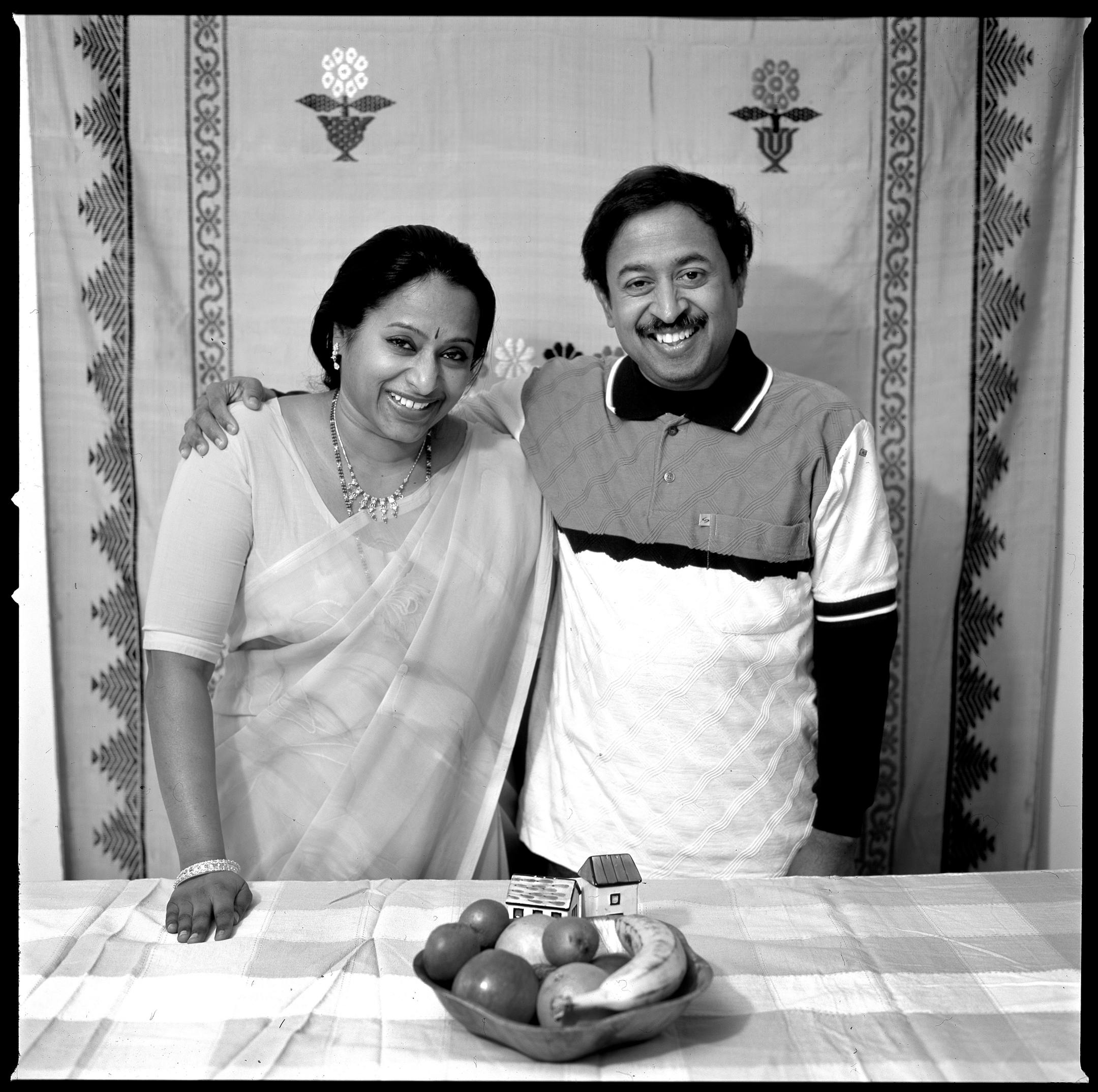
For anyone about to experience it, marriage requires a herculean leap of faith. A much shorter leap is needed to imagine what was running through Shelly Haque's mind on her second date with Kaiser Haque on June 6, 1998.
That date was their wedding.
"I was really scared," Shelly said. "I thought, 'He's totally a stranger to me.'"
The Haques have been in an arranged marriage for nearly 10 years. Natives of Bangladesh, they now live in Lino Lakes with their two young children. Both recall their wedding day with equal parts amusement and awe.
"I love her more now," said Kaiser, who works in e-commerce for Deluxe Corp. "I see her."
Shelly and Kaiser appreciate that their path to marriage is surprising, and not always understandable, to their Western friends (which is one reason many couples from other countries where arranged marriage is common, including Asia and parts of Africa, declined to be interviewed).
And they're gracious enough to not point out that those who pooh-pooh their arrangement may be doing much the same thing in an altered form, feverishly completing an elaborate eHarmony personality profile, for example, or nudging friends to fix them up.
In many ways, they and other couples in arranged marriages are as mystified about what makes long-term relationships work as anyone.