"Just don't screw it up."
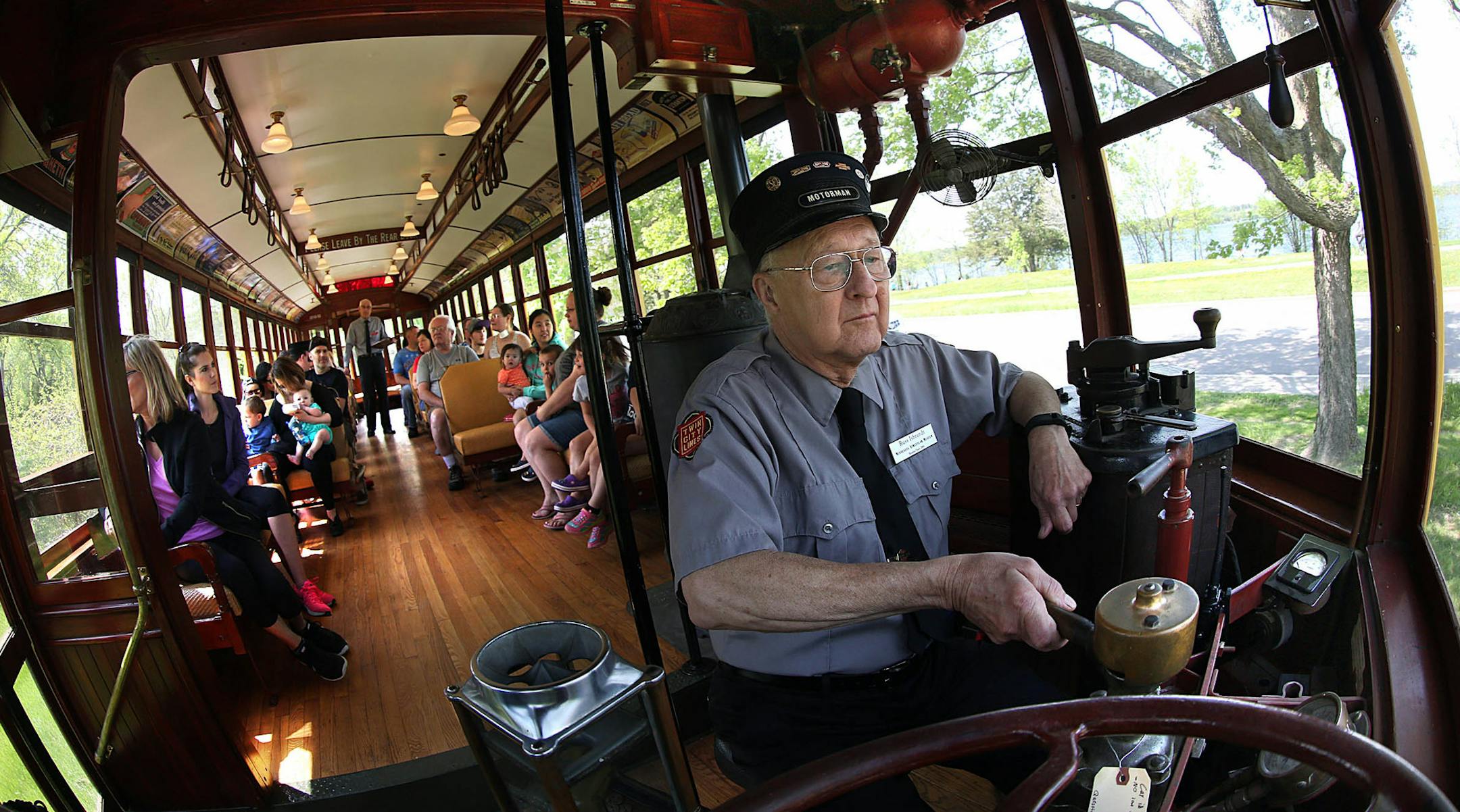
That's the thought that runs through my head as I plant my feet and reach for the two wooden handles, worn smooth by decades of sweaty palms, that will get this show on the road.
It's a simple operation that I've performed hundreds of times, yet I'm always keenly aware of every bit of sensory input. The smell of wood and leather; the satisfying chunk of heavy steel levers locking into place; the shriek of metal on metal; the buzz of an excited crowd.
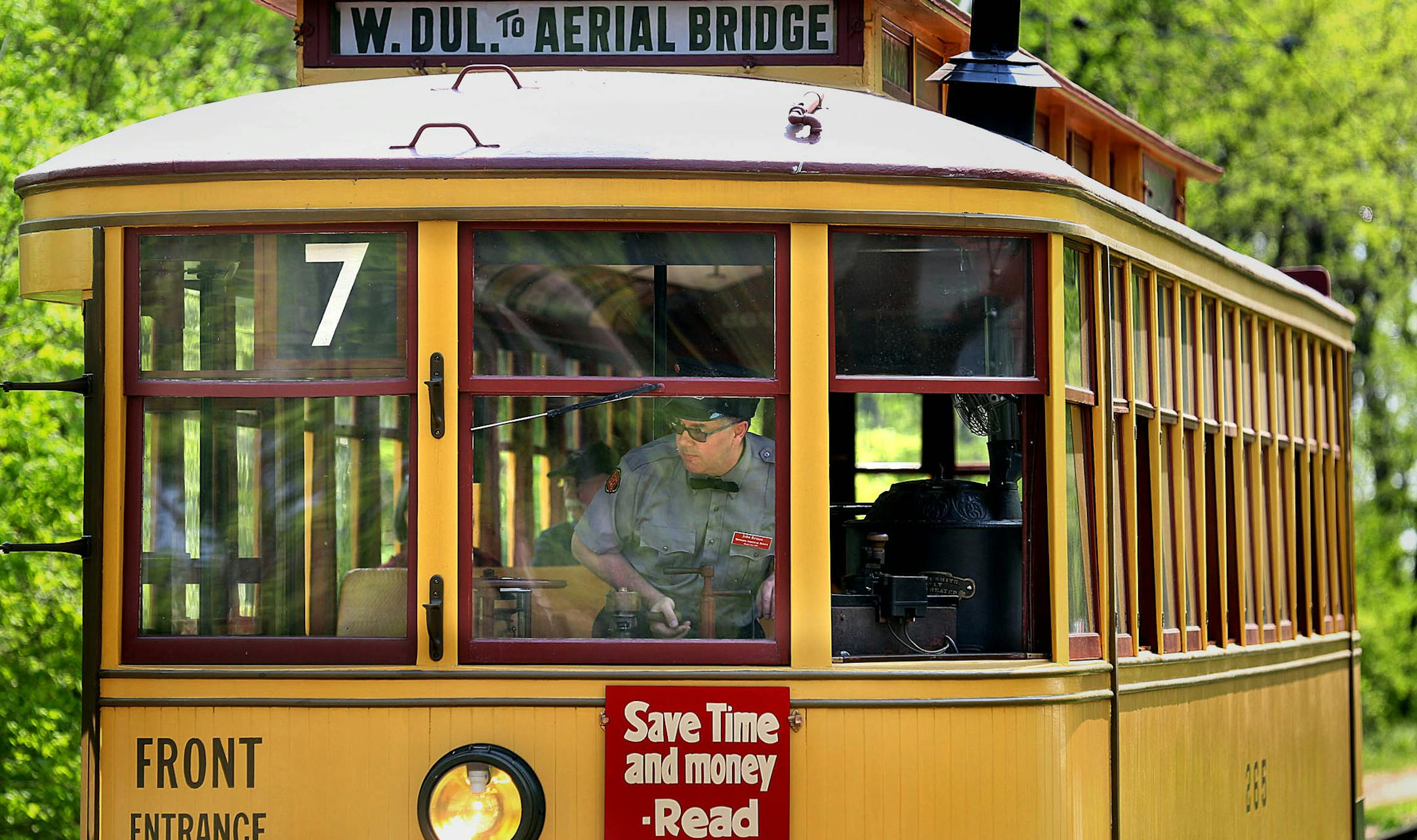
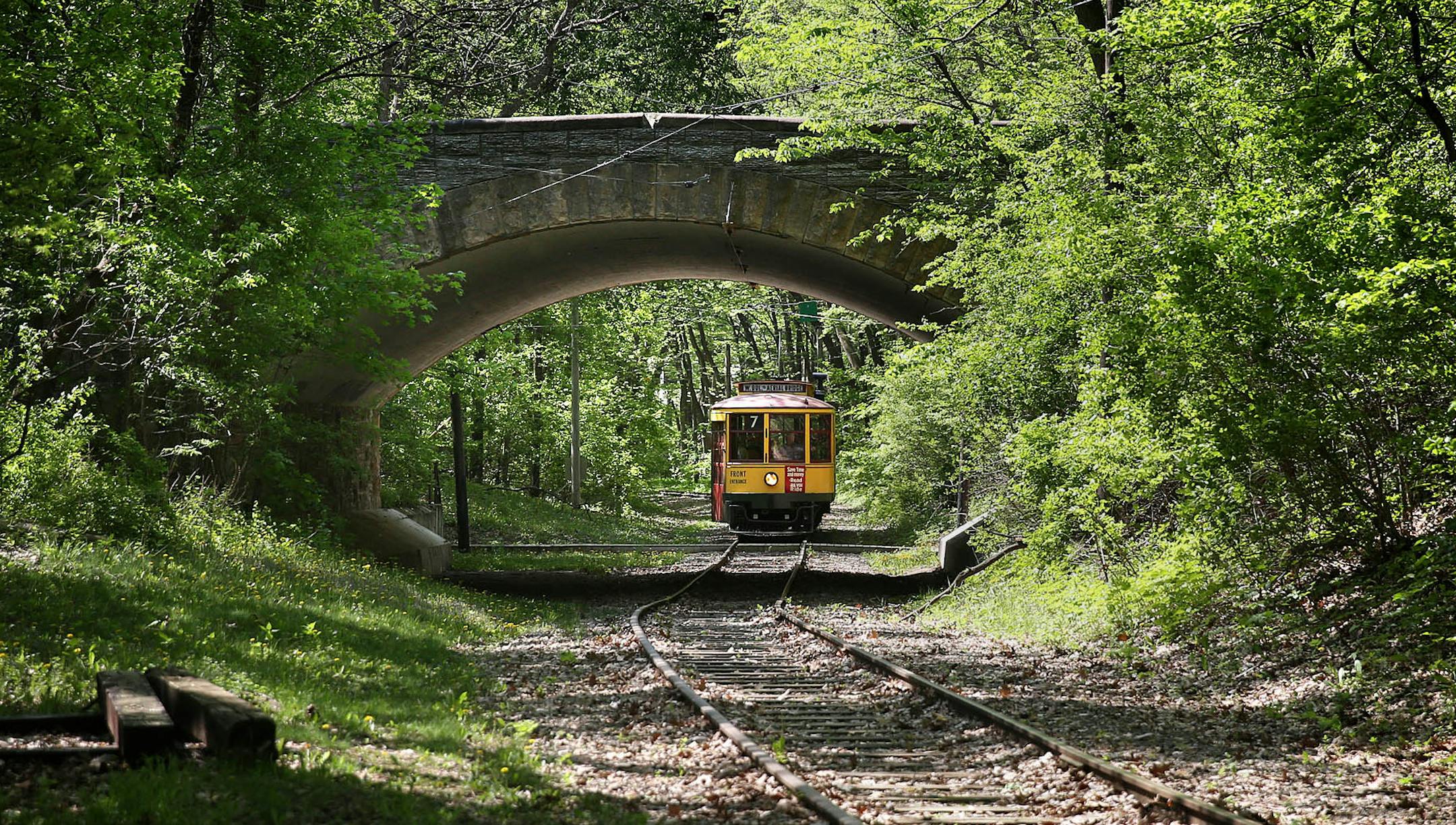
Clang-clang! I give the gong button on the floor a quick double stomp with my foot. With one hand, I throw the lever that releases the air brakes with a loud "his-s-s-s-s"; with the other hand I yank the massive electrical controller into position. A clunk, a shudder, a jerk — and the 101-year-old Lake Harriet trolley is headed down the tracks, making another run on this mile-long remnant of what was once one of the nation's largest and finest streetcar systems.
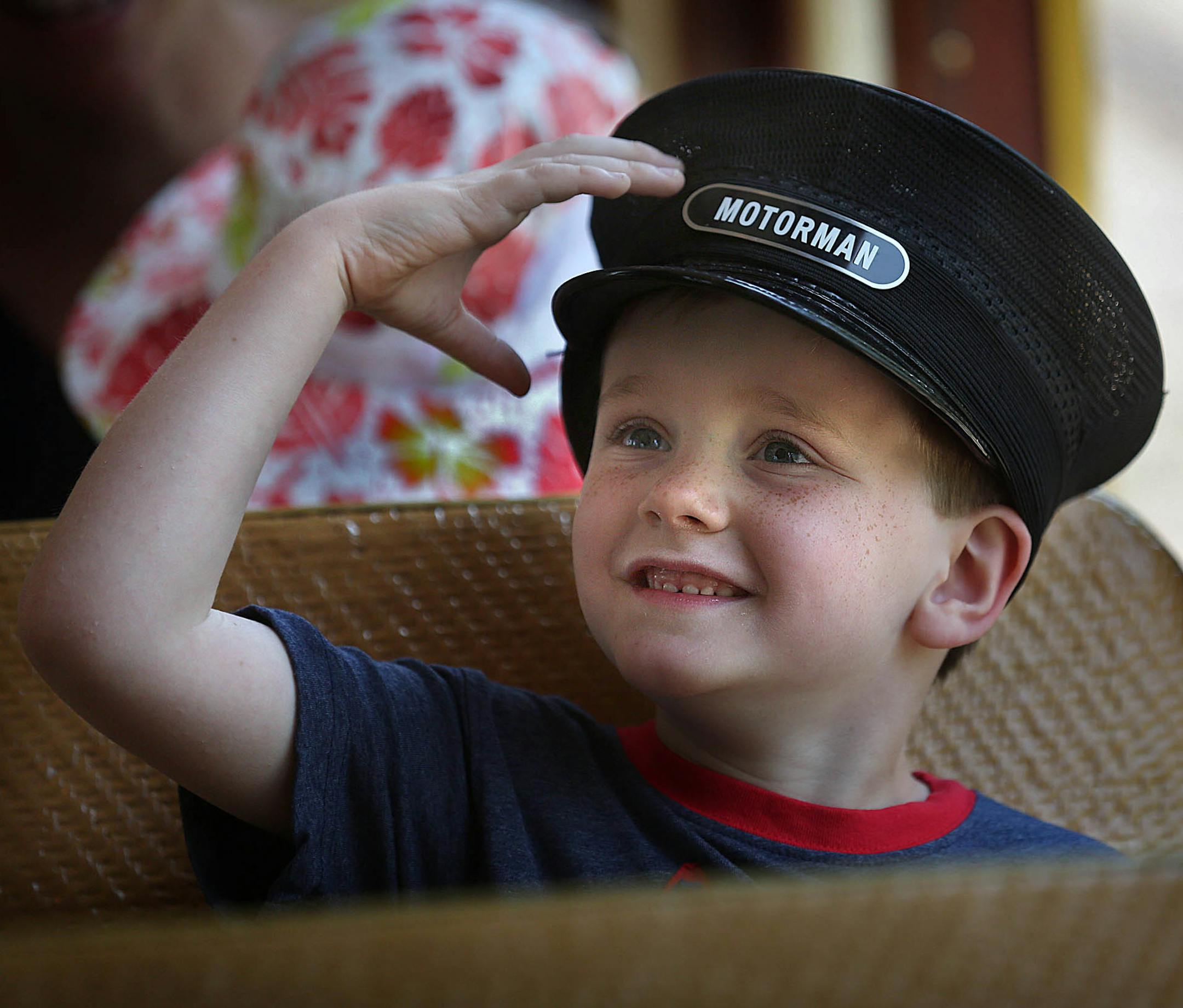
Behind me, I hear the happy chatter of the passengers. Sneaking a quick glance over my shoulder, I see youngsters bouncing and wiggling with excitement as their parents try to keep them corralled. The sun is shining, a breeze is blowing and everyone is smiling.
It's a great day to drive the trolley. But then, they all are.
The trolley is a reminder of the days before plastic, before cellphones, before superhighways concrete or digital. Virtually every piece of it was built by hand, screwed and bolted together by skilled craftsmen whose work still will look great another century from now.
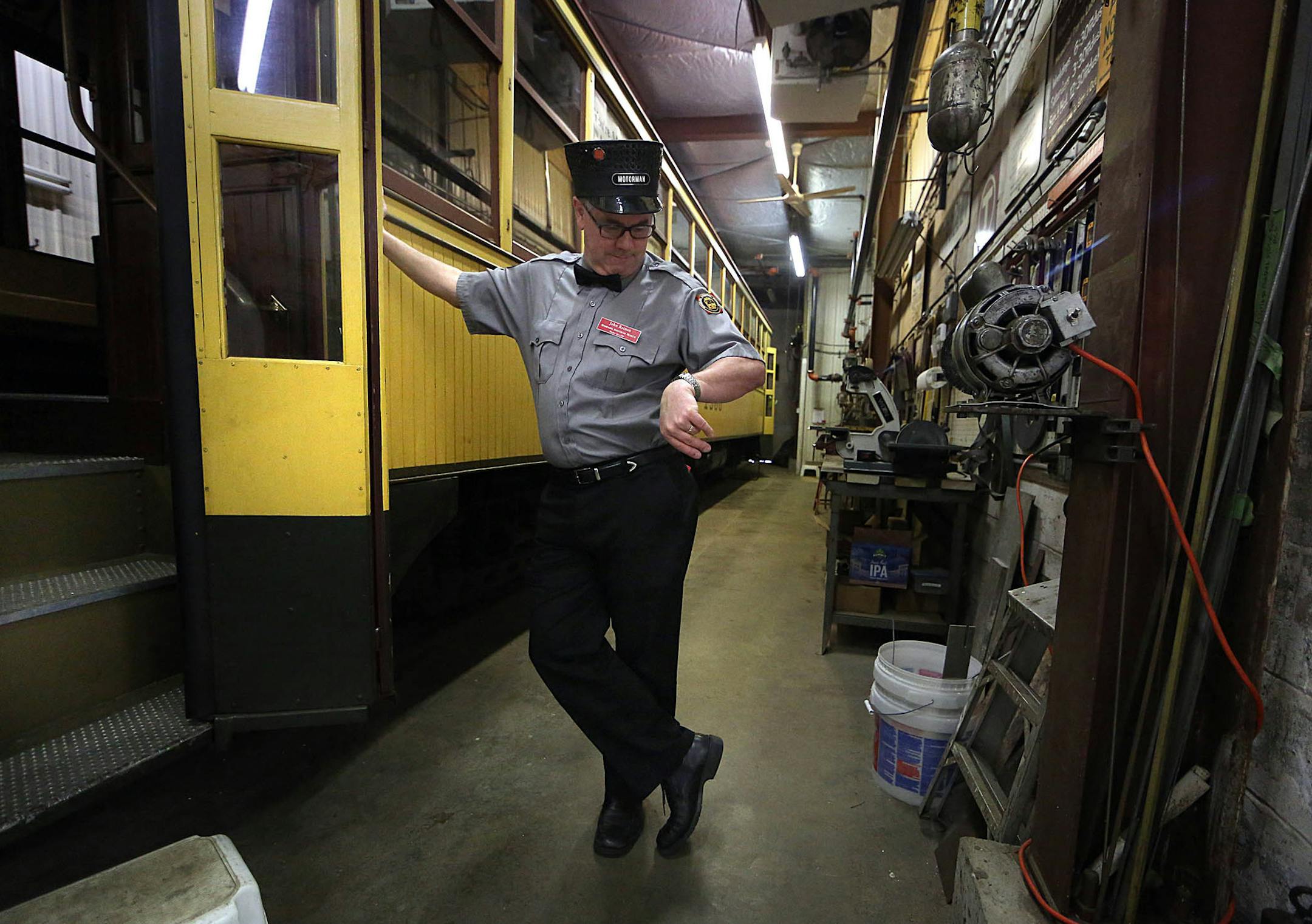
And yet the operator of this 22-ton transportation time machine is a guy who's challenged by any mechanical task more complex than flipping a light switch.