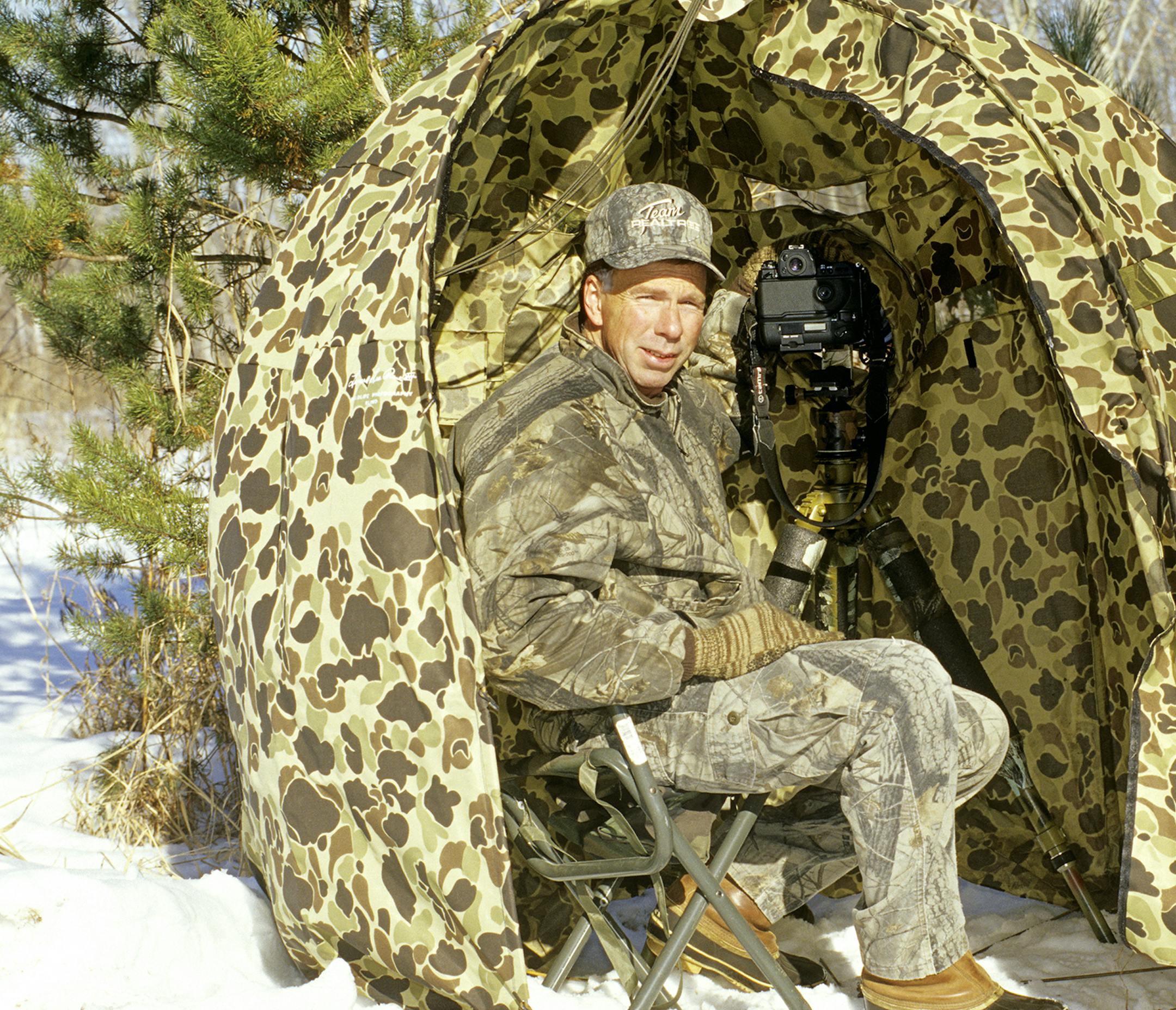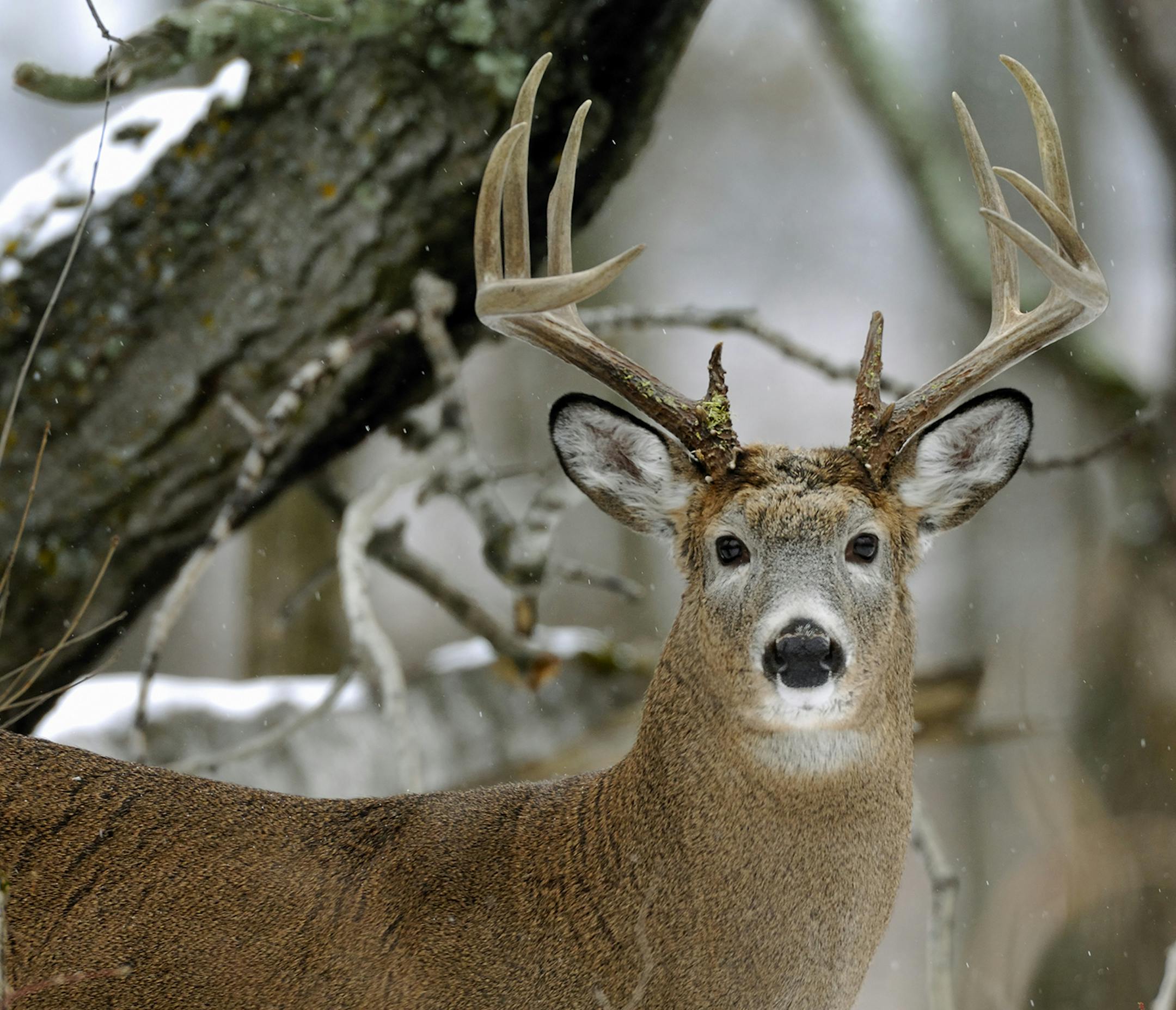
Brainerd – Fellow photographers often ask me about the equipment I use to get quality wildlife images. What brand of camera I use, which lenses, countless other questions.
Sometimes I respond by saying a knowledge of your subject — how to put yourself in a position to get close to your target — is the most important aspect. While that may be a prerequisite for excellent images, so is having first-rate gear and knowing who to use it.
So, what's in my photography bag?
I'm hesitant to recommend any particular brand or model of gear because there are so many great options. New and better versions of camera bodies and lenses are getting introduced all the time.
My choice in camera and lens brand is Nikon. I employ two D500 bodies and a few small point-and-shoot cameras, also from Nikon. My lenses, all Nikons (beginning with the largest to the smallest) are 600-millimeter f4; 200-500mm f5.6; 70-200mm f2.8; 105 mm f2.8 macro; and a 17-55mm f2.8.
I also carry a 1.4 teleconverter, which increases the focal length of a lens, three different sizes of extension tubes (used with interchangeable lenses to focus closer), a flash, and a variety of other essentials (including batteries, lens cleaner, a small tool kit and a first aid kit).
All of this gear, except for the 600mm lens, fits into a waterproof hard case, which not only protects my equipment from moisture and damage but also is quite handy. When I grab that case, I know I have all the photo equipment I need for a day in the field.
An often-overlooked mandatory item for the wildlife photographer is a quality tripod and tripod head. Most wildlife is active in early morning and late afternoon (low light periods), and sharp images demand a camera mounted on a stable base. I have several tripods, but my preference is a tripod made of lightweight graphite, with a ball-and-socket-type tripod head.