

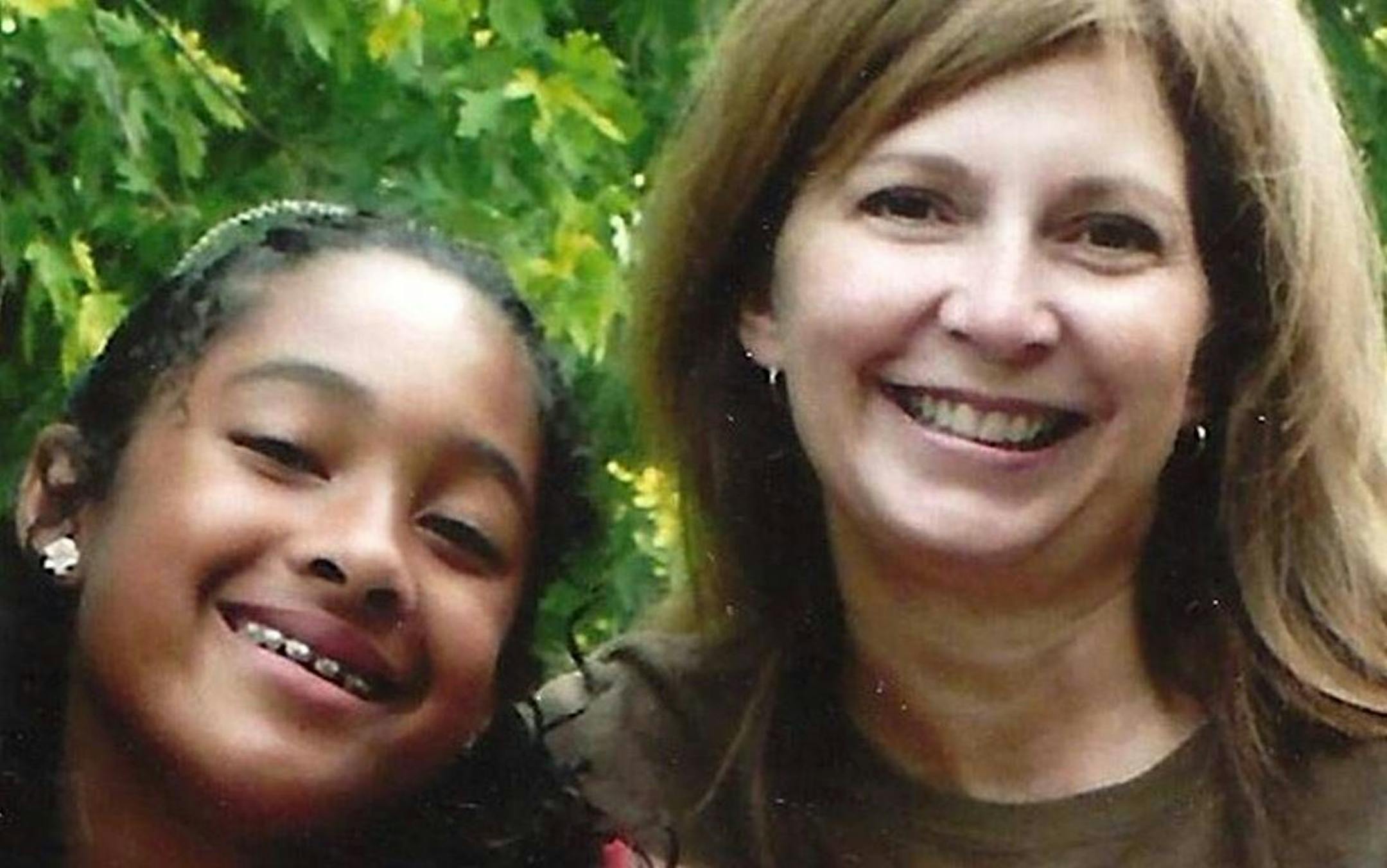
I had never really given much thought to the issue of race until my then 4-year-old biracial granddaughter stated to her mother, my daughter, "I wish I were white like you." When my daughter retold this conversation, I felt a tangle of questions catch in my throat. What would make a 4-year-old child want for such a thing? What had she learned or experienced in her short time on earth to make her wish for whiteness?
Perhaps she had experienced colorism, witnessing her light-skinned playmates treated differently than her dark-skinned playmates. Perhaps she had noticed how her 2-year-old brother could pass as white without really understanding what white-passing meant. Or perhaps she watched television shows with white families and wondered where all the Black families live. She was perceptive for a 4-year-old.
That was nearly 15 years ago. She's now 19, and grown into her womanhood and her Blackness, proud of her heritage. But still, there continue to be experiences of trauma.
On a recent trip south to our former home in Arkansas, some local kids called her the N-word. She was with her white mother and white-passing brothers, but they saw her as the only Black person in the group and wanted to make their racism known. She was shocked, frightened. This episode of overt racism left her shaken.
My granddaughter's experiences
"I don't ever want to go back," she said as she told me of her experience on her return home. "You don't have to go back," I told her. But I knew that wouldn't solve the larger, systemic problem of racism and how it would continue to impact her. For the rest of her life, she will be the target of both overt and covert racism, and those traumatic experiences will be a part of her life story.
She is one-half white and one-half Black, but here is the truth. She is Black. She has grown to understand she is perceived as Black. If she travels to the rural South to visit her aunts and uncles, she may not be waited on as fast in some restaurants. She may find that some boys' parents do not want her to date their sons. She understands that she will experience racism.
The shame of my family's racist acts
Because I am white, I've never been targeted because of my race and have no stories to pass down of our family's experiences with overt racism.
My experience is similar to that of many white boomers who grew up in the '60s; I was raised by Depression-era-born parents who didn't recognize their racism. They had dear friends who were Black, who were invited into our home for meals and games, but my father also told me, "If you ever come home with a Black boyfriend, that will be the last thing you ever do."

