

Minnesota has always imagined itself as someplace special, a place apart. This attitude has irked our neighbors in the Dakotas, Iowa and Wisconsin, and they have never suffered our swagger and hubris gladly.
That sense of specialness springs, at least to some degree, from our geography. We're a Midwestern agricultural state like our neighbors, but our heavily wooded landscape laced with thousands of lakes is home to the headwaters of the Mississippi River — and home to the farthest northern and western shores of the greatest of the Great Lakes, an interlinked waterway that snakes across the continent to the St. Lawrence Seaway, directly connecting us to the whole world. And so, incongruously, we have a major seaport in Duluth.
But even though its geography intimately connects Minnesota to the rest of the country, the Cool Blue North also can feel isolated from the rest of the country. So, whatever hot-button issues may be raging in the rest of America, there's sometimes a false notion here of being above the fray, somehow.
During the long, deadly period from the 1870s through the 1940s, when white mobs burned Black communities, killing thousands of Black folk from coast to coast, Minnesota's Black community was small, widely dispersed, and largely spared. During the ugly spate of public lynchings that terrorized Black America, especially in the 1910s and 1920s, there were only three documented lynchings of Black people by white mobs in Minnesota. Three too many, but still. During the height of the civil rights movement, the liberal leaders of Minnesota's industry and civic life loudly and publicly supported the struggle.
But our elders here were not shy about reminding these civic leaders that not many years prior, Black citizens couldn't eat at many restaurants or sleep at many hotels, even in downtown Minneapolis or St. Paul. And people old enough to remember still harbor bitter memories of how the once-thriving Rondo neighborhood of St. Paul, a prominent center of Black life in Minnesota, was callously destroyed by the advent of the Interstate 94.
The home of "Minnesota Nice" — that deeply rooted stereotype about our state's cult of politeness — would love to believe that there's no substantial toehold for white supremacy here. But the stereotype has always been about the maintenance of a superficial kind of civic politeness, about preserving the appearance of peace and only the best of intentions.
It's a culture bent toward sweeping nagging, uncomfortable issues under the rug. This, paired with the blind spots that encourage us to think we're doing better than we are, has lulled many Minnesotans to sleep, the resulting complacency having helped lead to some of the worst racial disparities in the nation.
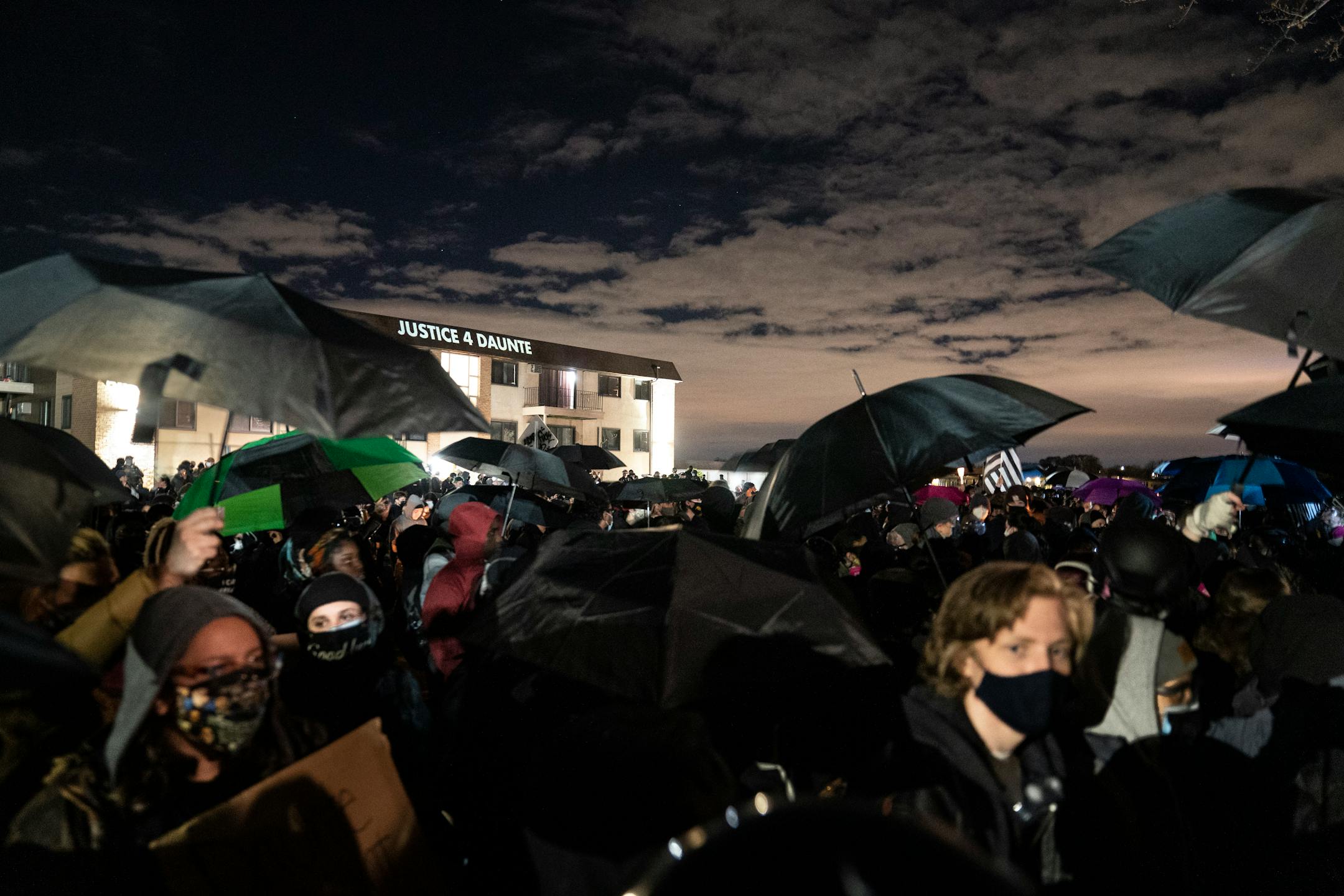
The needless death of Philando Castile in 2016, followed by George Floyd's death last year and the trial for his killing underway (and now, incredibly, in the midst of the trial, the tragic, senseless death of Daunte Wright during yet another traffic stop) have made Minnesota a major national focus of our collective challenge to deal meaningfully with this issue — and all the issues of systemic racial inequity, policing and justice. Minnesota has had a rude awakening to the fact that it is not above the fray. It sits in the middle of the country and very much in the middle of the fray.


