BEIRUT – It was past midnight on a moonless night in central Yemen, and Ahmad Jawfi was preparing to go to sleep when he heard the dull buzz of drones overhead. Drones were nothing new, so he and others paid little attention.
But soon, a military operation unfolded that left 14 Al-Qaida fighters dead and killed at least 11 women and children and one U.S. commando. The operation Jan. 29 on the village of Yakla by SEAL Team 6 was to showcase the Trump administration's decisiveness in the fight against Al-Qaida.
The attack, the first Special Operations raid authorized by President Donald Trump, targeted the house of a suspected leader of Al-Qaida in the Arabian Peninsula (AQAP) named Abdel Raouf Dhahab. Jawfi, a tribal leader, was visiting the Dhahab household as part of a tribal mediation.
On Jan. 28, hours before U.S. and Emirati special operations commandos slipped into Yakla early the next morning, "We heard shooting from three sides of where we were," Jawfi said. He ran into the house, thinking it was another drone attack.
"But then we saw American soldiers everywhere."
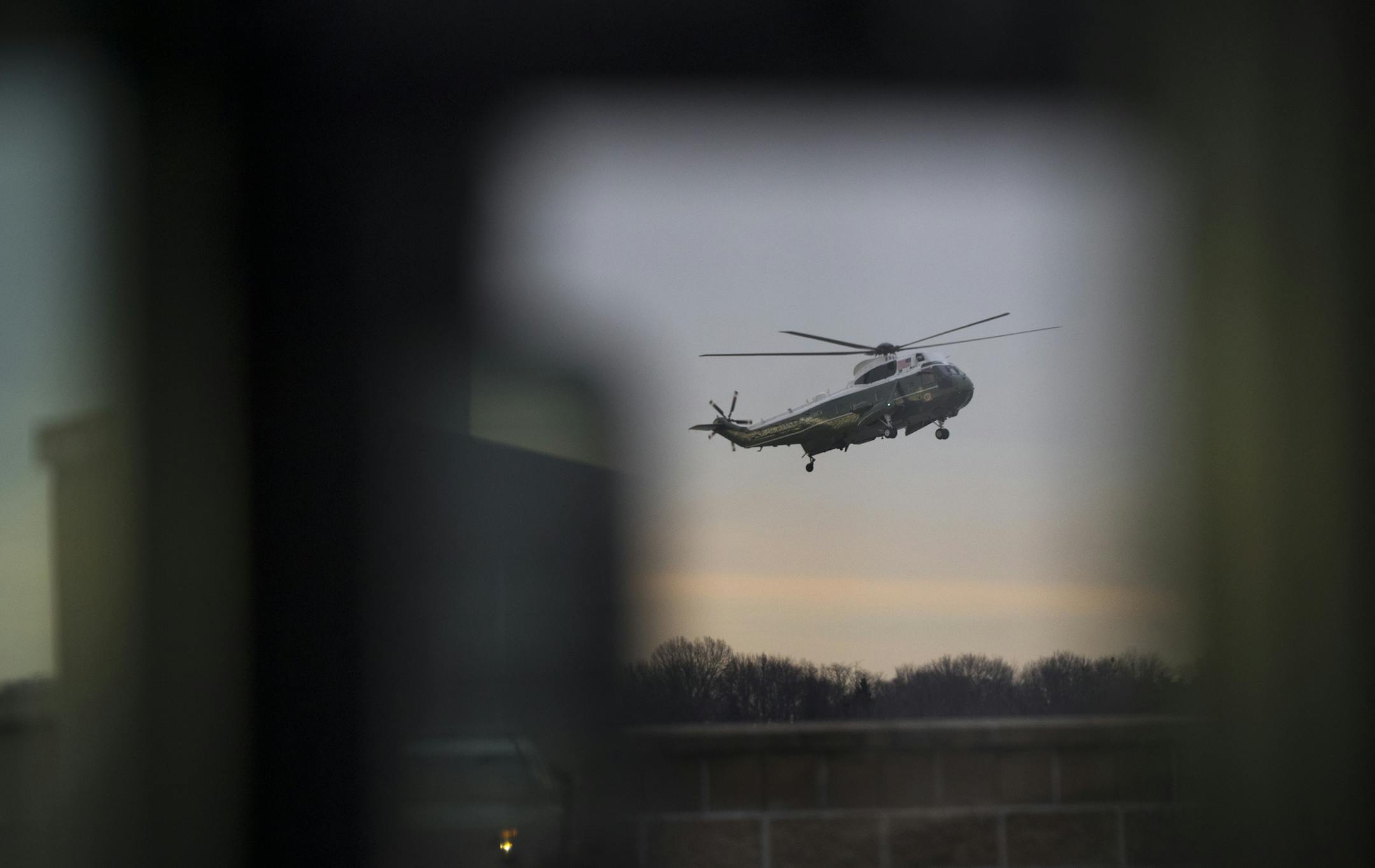
It was the start of a firefight that lasted almost an hour, with the SEALs attacking with small arms and grenades before they called in AV-8B Harrier attack jets and helicopter gunships to help repel counterattacks, according to U.S. officials.
Another survivor of the raid, Saleh Mohsen Amery, said his house was attacked and his daughter killed. Her 4-year-old son survived.
"They attacked the mosque, school, medical unit and a prison in the area," he said. "Anybody leaving the house was hit and killed … and people in here have nothing but Kalashnikovs," or AK-47s, to defend themselves.