On the night of Dec. 5, 1989, Vladimir Putin, then a lieutenant colonel in the KGB, watched with alarm as thousands of East Germans in Dresden swarmed the riverside compound of the dreaded secret police, the Stasi.
The Berlin Wall had been breached the month before, and the Communist government that had ruled East Germany since the end of World War II gasped its last breaths as protesters took to the streets across the country. The officer and future Russian president, just 37 at the time, could only stand by helplessly at the KGB's Dresden outpost a few hundred feet away.
The takeover of the Stasi headquarters was relatively peaceful, but in Putin's mind the crowd was frenzied, deranged and dangerous, and the experience that night haunted him like nothing else in his mostly undistinguished career as an intelligence officer. "I felt it like a fault of my own," he told one of his oldest friends, Sergei Roldugin.
East Germany soon ceased to exist, as did the Soviet Union following the abortive revolt in August 1991, suffering from an affliction that Putin described as "a paralysis of power."
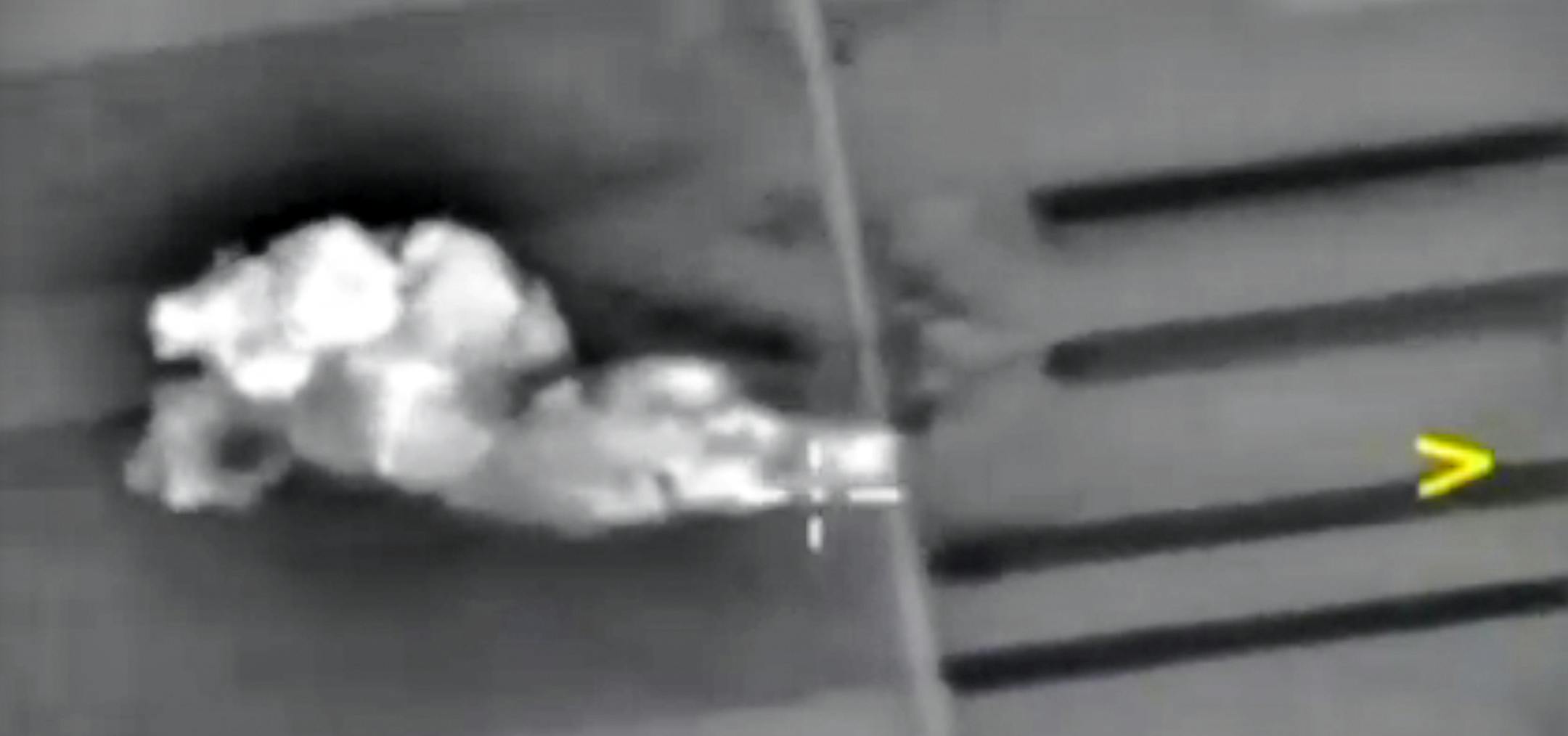
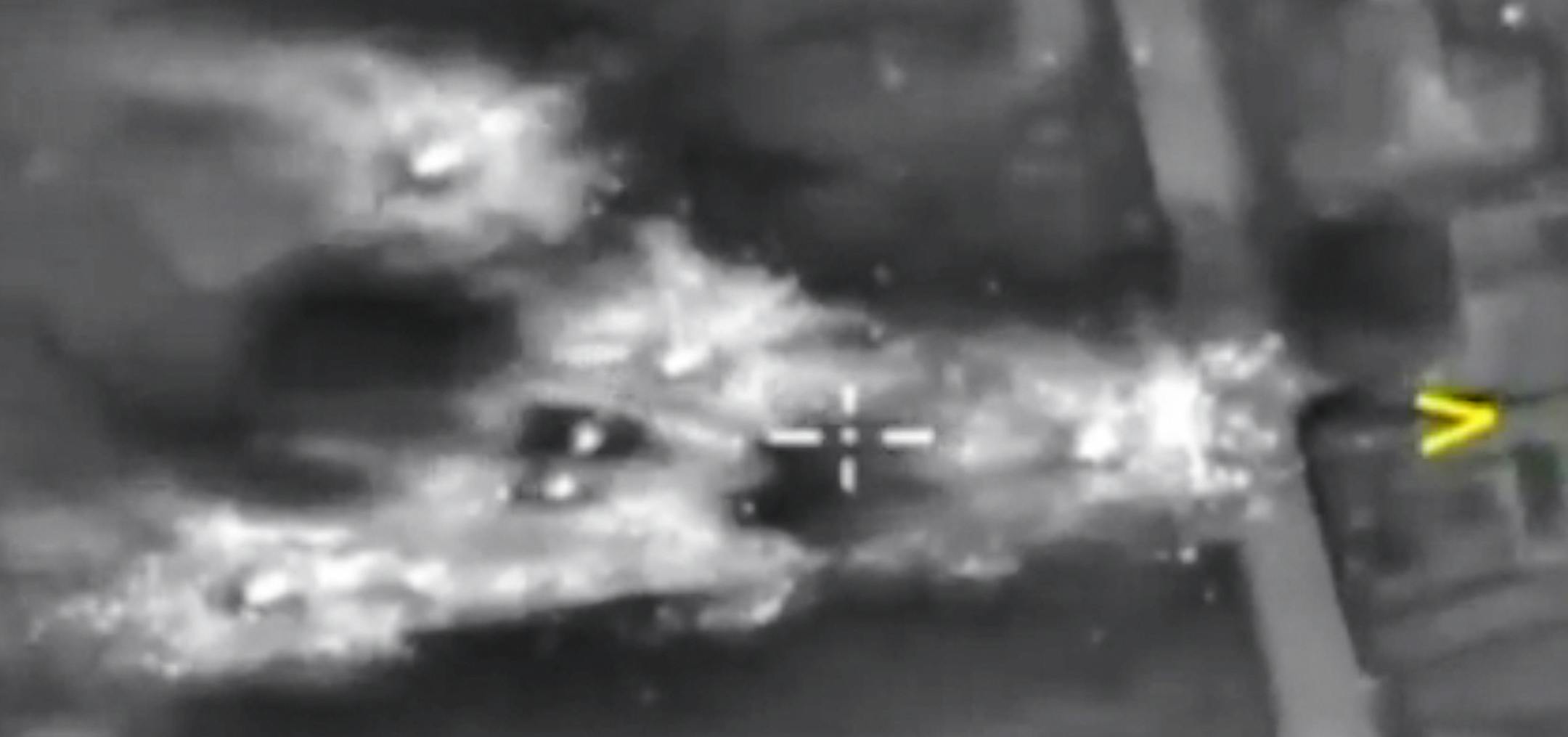
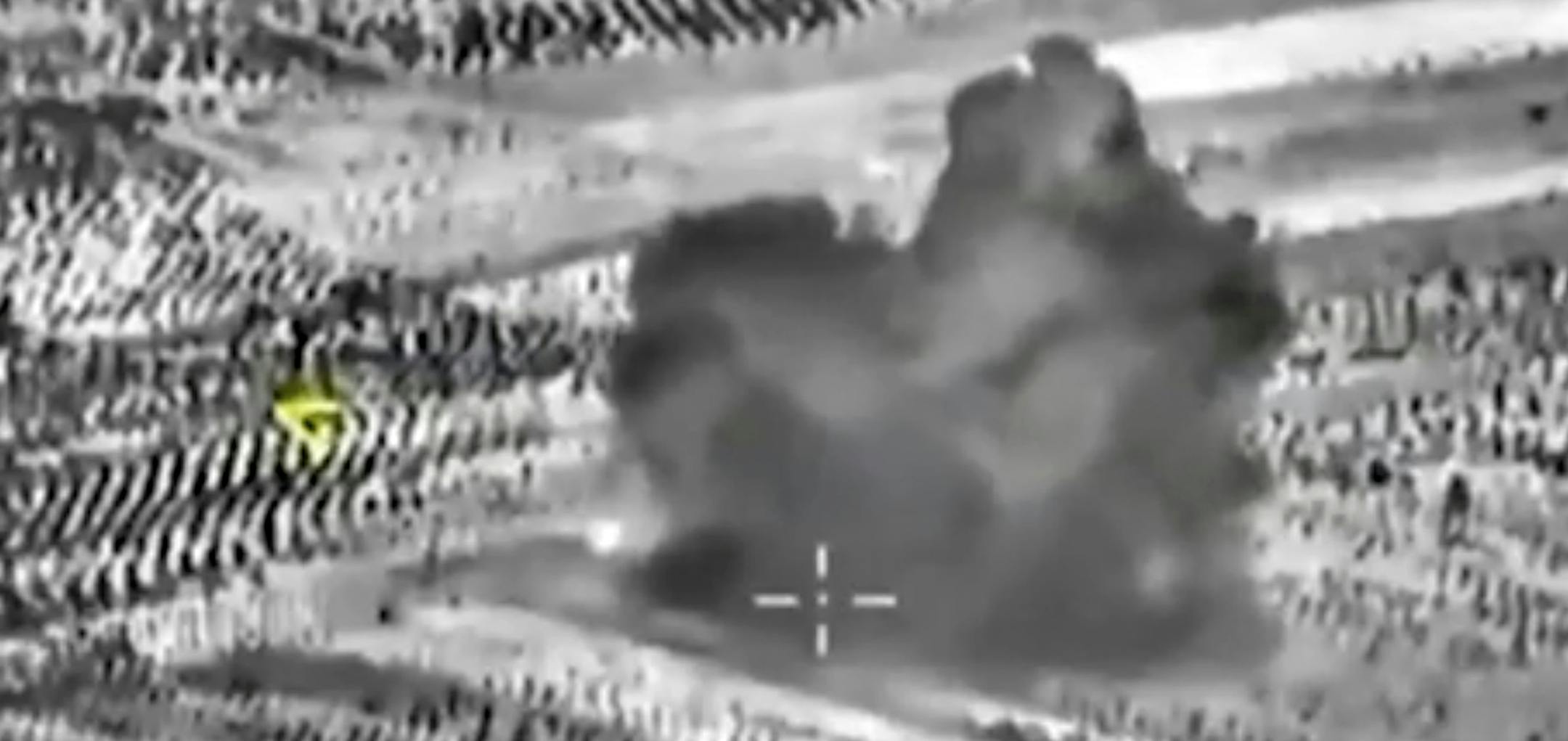
That diagnosis has been a driving force in his consolidation of political power, and it does much to explain Russia's forceful intervention last week to bolster the besieged government of Syria's president, Bashar Assad.
The specter of mass protest — of mob rule — is one that has haunted Putin throughout his political life, and that fear is at the heart of his belief in the primacy of state authority above all else at home and abroad.
The East Germans considered their protests an expression of popular will, just as many Syrians did when protests against Assad's government began in 2011. But Putin viewed them as an unlawful usurpation of government authority. And that, in his mind, leads inexorably not to positive political change, but rather to chaos.
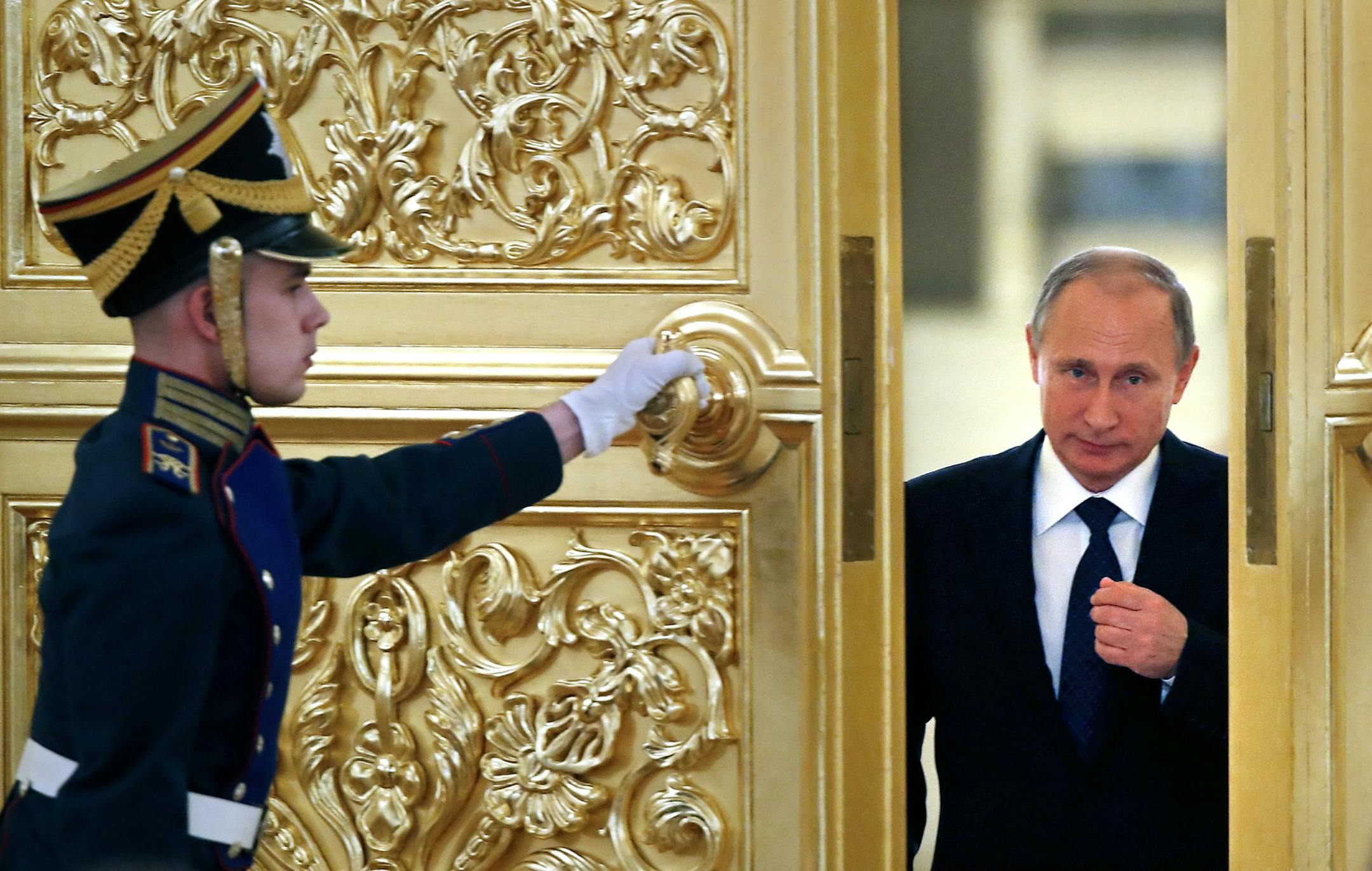
"Of course, political and social problems have been piling up for a long time in this region, and people there wanted change," Putin said at the United Nations on Monday, where he spoke for the first time in a decade. "But what was the actual outcome?"