

Opinion editor's note: Star Tribune Opinion publishes a mix of national and local commentaries online and in print each day. To contribute, click here.
•••
We heard the story all the time, told as a warning: When man first set foot on Earth, all the winged animals flew high into the sky and the fish dived deeper into the sea, scattering in fear, because they knew the destroyer of the world had arrived.
What is folklore but prophecy?
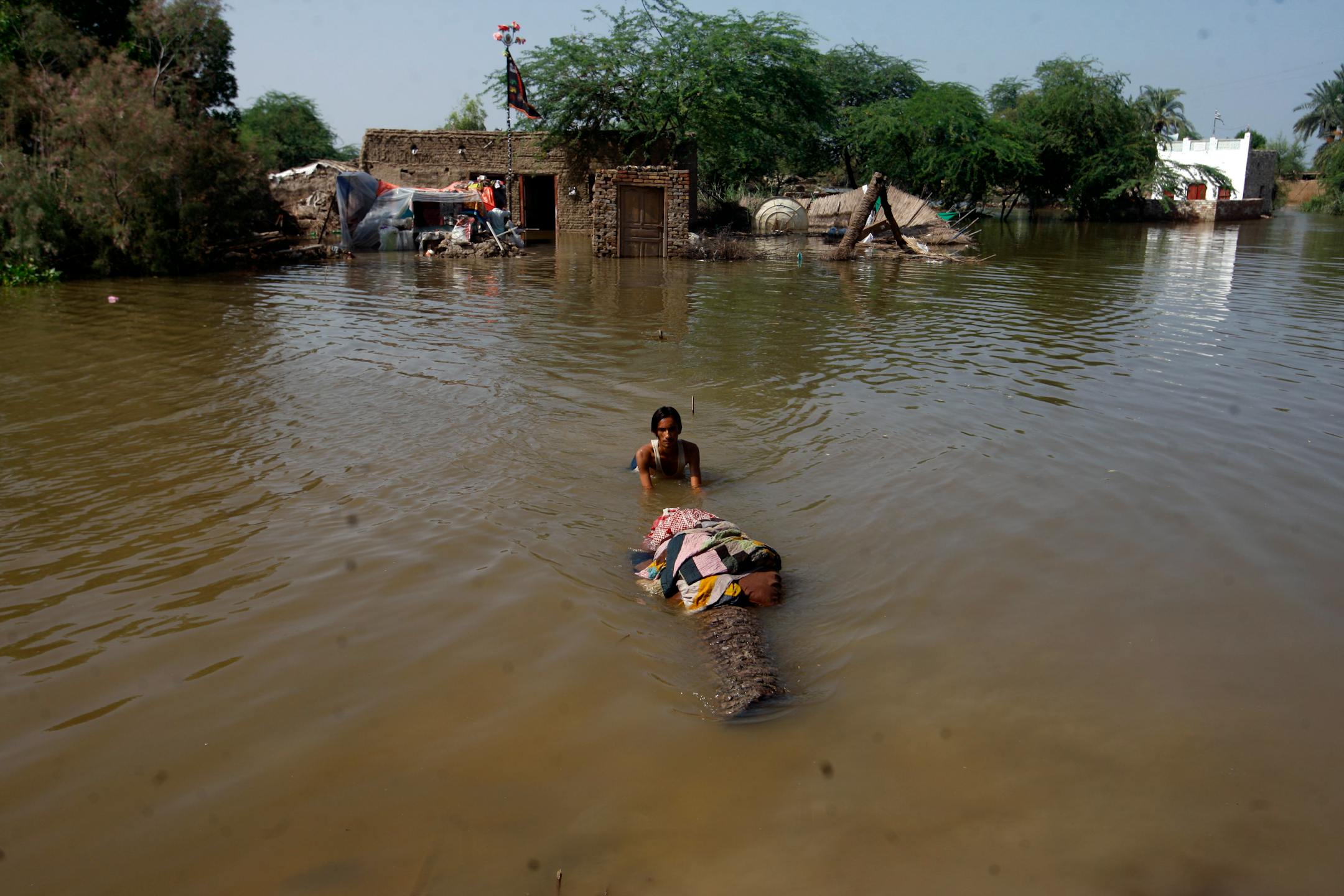
One-third of my country, Pakistan, has recently been submerged under water. After unusually intense monsoon rains fell over several weeks, the waters from flash floods made their way into the Indus, overwhelming the riverbanks. According to climate experts, rapidly melting glaciers caused by rising temperatures added to the downward rushing superflood of epic proportions.
One in seven Pakistanis have been affected, with many sleeping under open skies, without shelter. About 900,000 livestock have been lost, and more than two million acres of farmland and 90% of crops have been damaged. In some provinces, cotton and rice crops, date trees and sugar cane have been nearly obliterated, and half of the onion, chili and tomato crops, all staple foods, are gone. More than 1,350 people are dead, and some 33 million people (50 million according to unofficial tallies) have been displaced.
Climate change is very likely to have played a role in the extremely heavy rains, and it definitely played a role in the glacial melt. So you can call these people climate refugees. Remember that phrase. Your country will have them, too.
The worst hit province of Sindh, in the south, suffers in extremis. Sindh does not appear to have any disaster preparedness, or any plans in place to reinforce water infrastructure or the barely functioning sewage system.


