

I'm going to try something new in this space most mornings, whereby I ask for reader observations and/or feedback on a variety of sports topics. In this case, I asked all of you on Twitter to come up with "measured hot takes" with "logic and thought" behind them — and allow me to either agree or disagree.
I'll get to a bunch of them in the coming days, but with the Wild season less than a week away it felt appropriate to start with one about that franchise:
This one is interesting because I think it speaks to the frustration Wild fans feel about the overall arc of the team. The Wild is about to start it's 20th season. Minnesota has made the postseason in about half of those years, but it has advanced past the first round just three times — with no Stanley Cup trophies or even appearances.
Shouldn't Minnesota be able to leverage its place as the "State of Hockey" to be better than that?
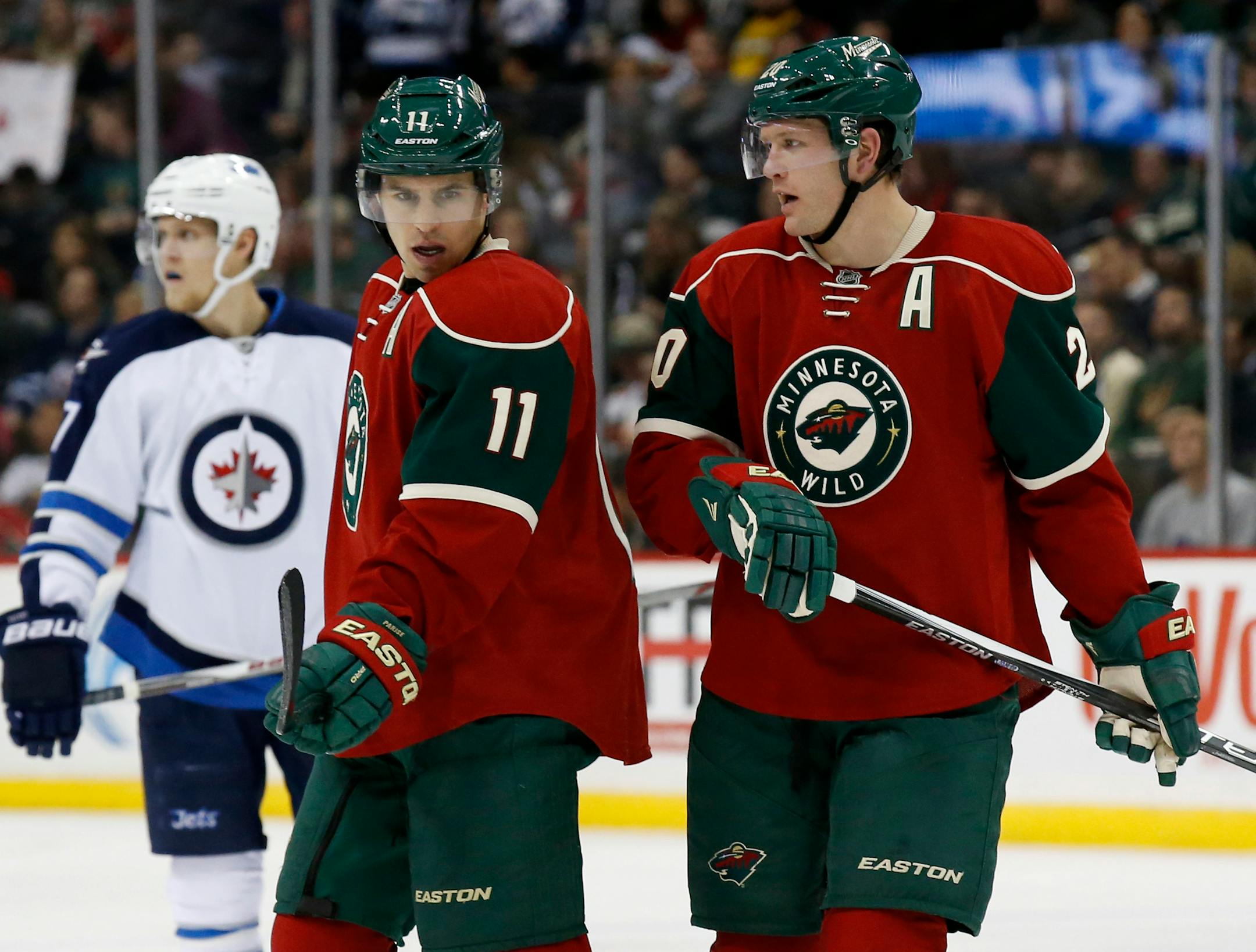
To a degree ... maybe? This is a strong hockey market, which gives the Wild some leverage when attracting free agents. When it signed free agents Zach Parise and Ryan Suter to dueling 13-year contracts in 2012, it was a landmark day. The Wild out-competed several teams for both players, and it was the type of move that it would be hard to imagine the Timberwolves (for example) being able to pull of such a thing.
Being able to land premium players is part of what makes the Yankees so consistently competitive in baseball.
But ... the comparison falls apart when we consider the nature of both leagues. The Yankees can spend pretty much whatever they want on players because MLB has no salary cap. It's a lot easier to sustain a winning "mystique" when you have far more money to spend on players than many of your competitors and you are able to do so.
The NHL, by contrast, has a hard salary cap. Every team can spend up to $81.5 million on player salaries in 2020-21. In that model, teams must spend wisely and make good decisions. Even if every desirable free agent wanted to play for the Wild — which they don't, by the way — there would only be so much cap space (as the Parise/Suter deals prove year after year).


