

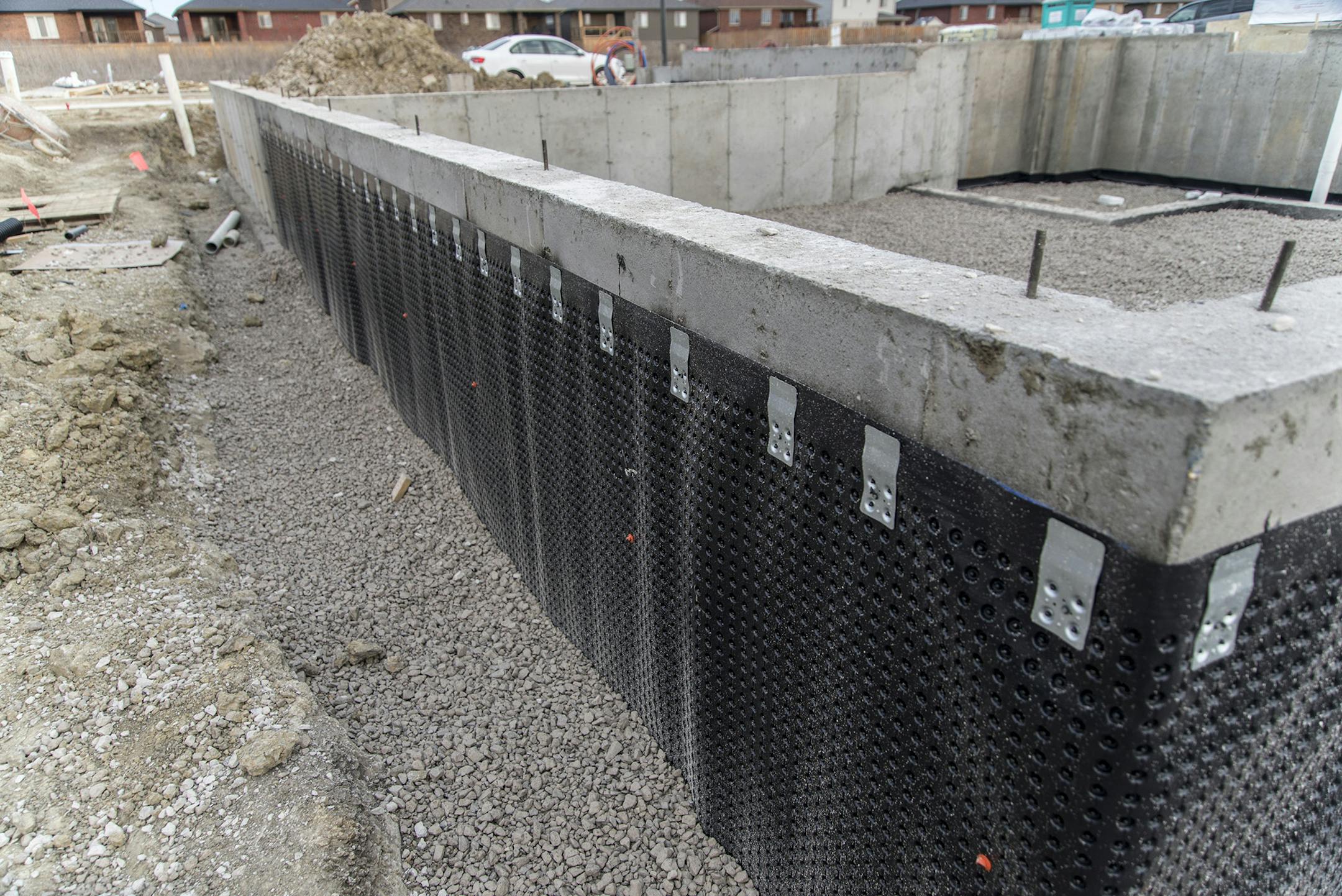
Basement waterproofing is no joke. Whether it's a soaked finished basement, or an unfinished basement with persistent leaks, water in the basement presents an immediate and stressful problem. You should quickly hire a waterproofing professional to address the issue.
But you'll find there are a variety of choices in basement waterproofing repairs or systems designed to tackle the problem, as well as opinions about which one is the most effective.
First up, a professional basement waterproofer should determine how the water is getting in. No waterproofing method helps if it's addressing the wrong thing.
If you're noticing water in your basement, investigating the solution should start outside your home. Make sure all your home's gutters, downspouts or other drainage systems are working effectively and diverting water away from the home.
The grade of soil around the foundation should encourage water to flow away from exterior walls, not toward them. Make sure mulch beds near the house aren't piled too high. These steps can prevent a flooded basement before it ever happens.
Even if you take all these steps, though, excessive rain or groundwater pressure can still push water into your basement, and that's where waterproofing systems come in.
What basement waterproofing system should you get? Experts all agree that one size does not fit all for basement waterproofing. Every situation is unique, and the solution should be tailored to the job. Often, a combination of approaches is necessary.
Waterproofing primer or paint products: Most experts agree this is little more than a cosmetic solution. Such products can slow down a leak a bit, but they don't address the original problem — they only cover up the leak point.


