

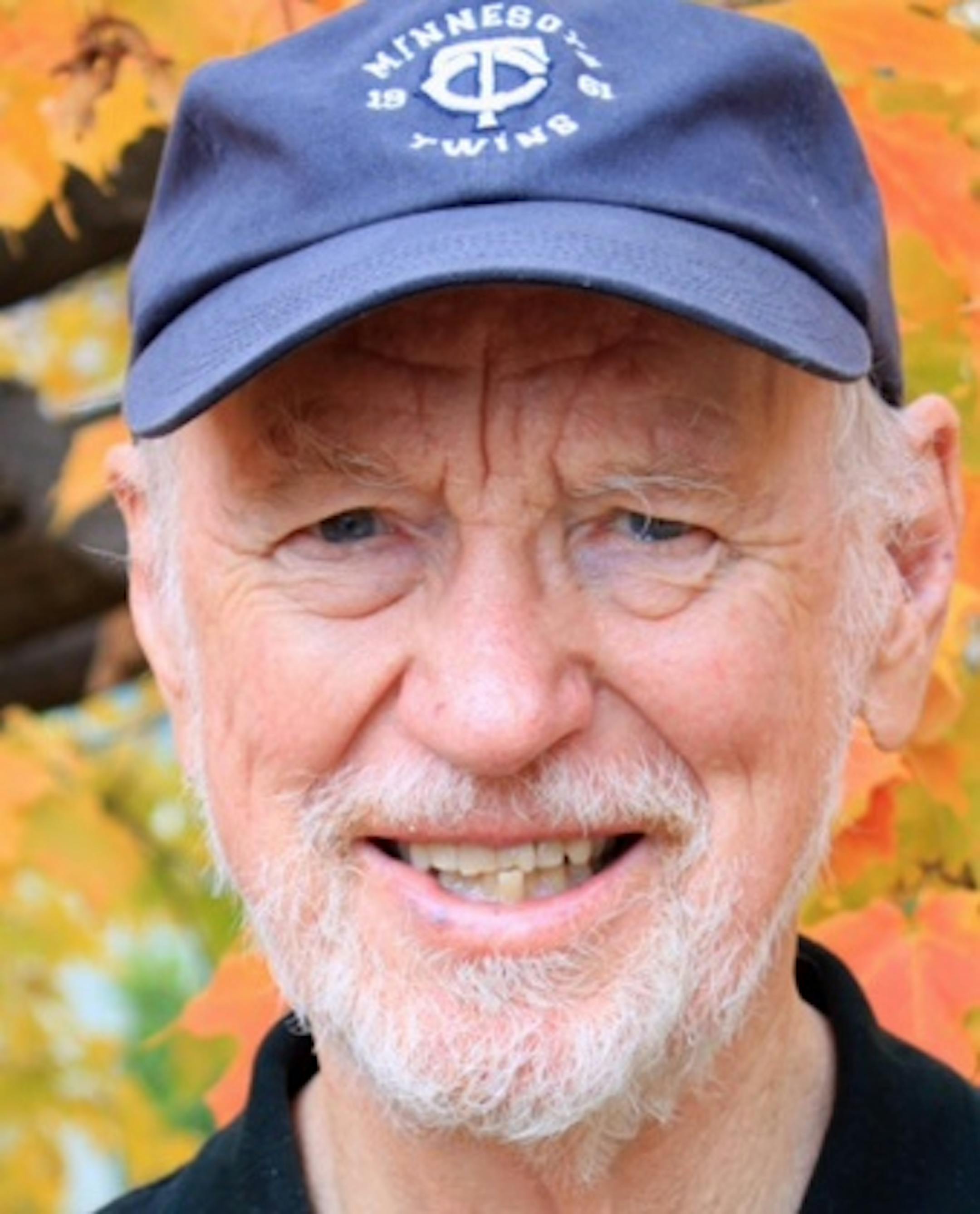
Paul B. Pedersen was a boy of about 5, sitting next to the tar road near the family farmhouse in Ringsted, Iowa, when he had the idea that would guide his life.
"He remembered looking at the road and realizing, for the first time, that that road connected him to every other road in the world. He could get anywhere he needed to be just by taking that road," Pedersen's daughter Karen Pedersen Travis said. "It was an epiphany for him. And he took advantage of it. He really did go just about everywhere."
Pedersen had Danish ancestry — an identity he proudly touted until his death Jan. 11 at age 80 in Eden Prairie. Along the way, he penned about four dozen books, invented an influential system of multicultural counseling, and worked as a college professor in Minnesota and several other states.
The Pedersen family farm was homesteaded by Pedersen's grandparents in an Iowa city known for its deep cultural connections to Denmark and the Lutheranism. But Pedersen, born in 1936, had his eye on that tar road.
It took him to Europe in his 20s, where he traveled on the cheap with a buddy in 1956 and recorded his experience of being changed in small and profound ways. He hitchhiked the Continent, survived a collision with a train, and wrote in a journal about his first multicultural experiences with enough clarity that he could edit the manuscript for publication in his 60s.
"He went through Europe with his friend Dave, and wrote a book about it — of course," Karen said.
He moved to Minnesota around 1957. He quickly earned degrees in philosophy and American studies from the University of Minnesota and met his first wife. After a stint in Chicago, where he got another degree and had a child, the small family moved to Indonesia for missionary work.
That was how he ended up moving to a nation about to plunge into armed conflict at the height of the Cuban missile crisis in 1962. The family spent several tumultuous years in North Sumatra as conflict broke out with neighboring Malaysia. The short but powerful experience led him to write his first published book and provided the insight for his contribution to counseling.


