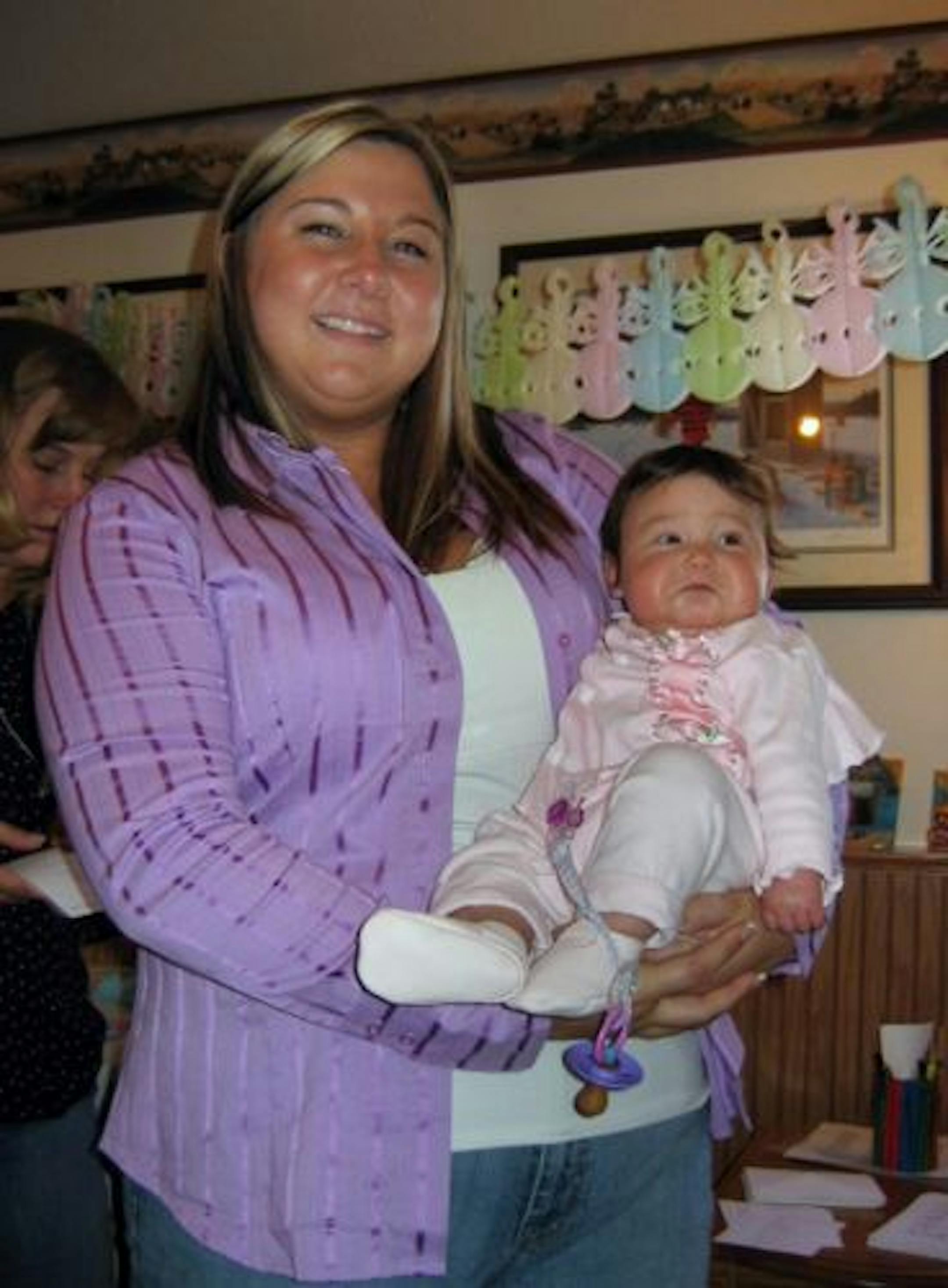
Jennifer Emmert blogged away the pounds and is a fat girl no more. Christine Schwarz found a community on SparkPeople to keep her diet and exercise on track. Kaeti Hinck uses Twitter to talk training with fellow beginners and pros.
These women are among a growing number of Minnesotans using social media as part of their weight-loss and get-fit journeys.
"People just want to feel connected," said Emmert, Brooklyn Park author of PriorFatGirl.com. "I still struggle, and it's always going to be hard. But I can hate it, you can hate it, we can hate it together."
The value of sharing the pain actually is rooted in social science: People improve their chances of reaching health goals when they feel accountable and have support. Successful weight loss programs such as Weight Watchers know this. They focus not only on food, but also on people.
The principles are sound, despite a lack of research on social media and weight loss, said Beth Lewis, assistant professor at the University of Minnesota's School of Kinesiology.
Many online tools are conducive to recording what one eats, and the simple act of keeping track of food intake has been consistently shown to facilitate weight loss, Lewis said, because people become more aware of how much they're eating. Knowing people will see their decisions also affects behavior. "People can write it on the Internet and other people can see it," said Lewis. "The accountability is there."
Possibly most powerful is the social support aspect of these tools. Research shows that strong social networks greatly increase people's chances of losing weight, and Lewis said the support is as effective when given online, even anonymously, as it is in person.
Blogging the pounds away