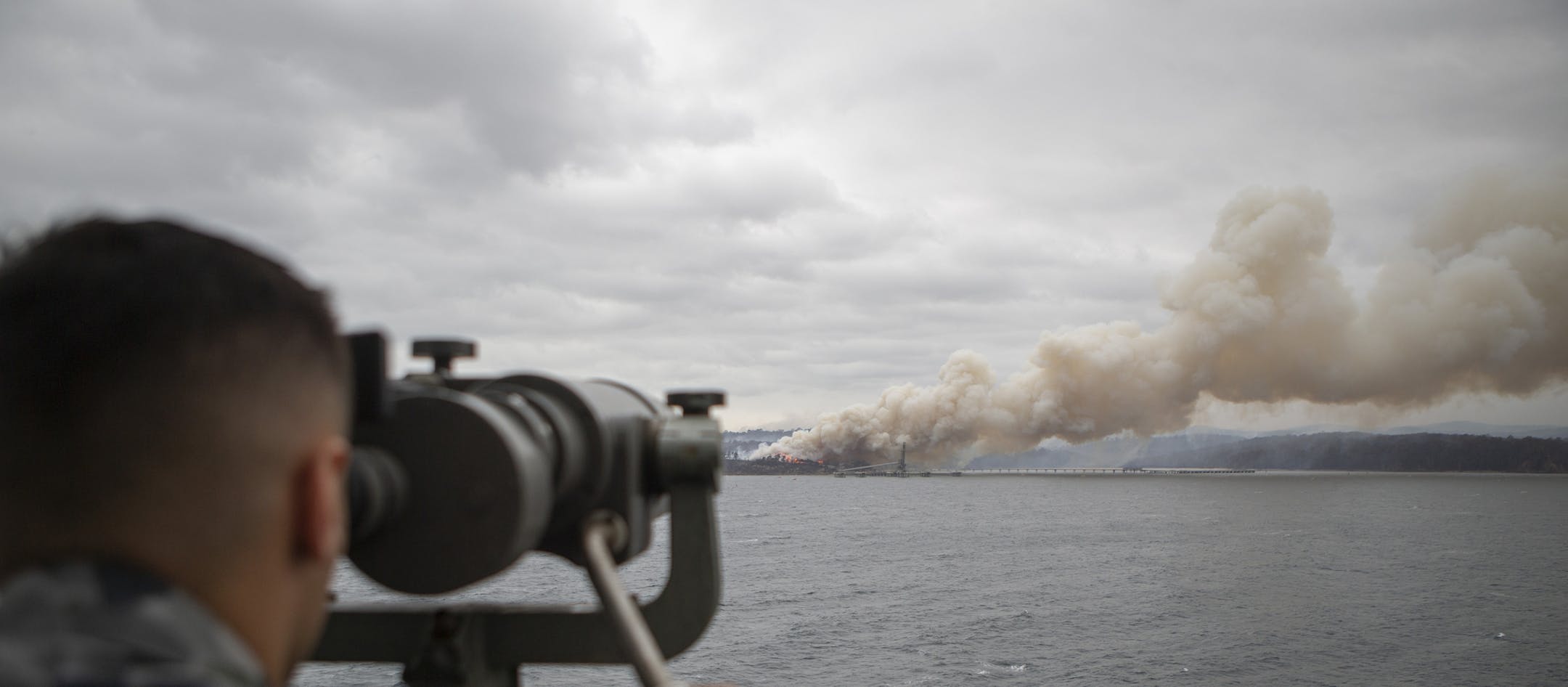
Exhausted firefighters welcomed cooler weather and patchy rain in blaze-ravaged southeastern Australia on Monday after a calamitous few days, even as authorities warn of a return to dangerous conditions later this week.
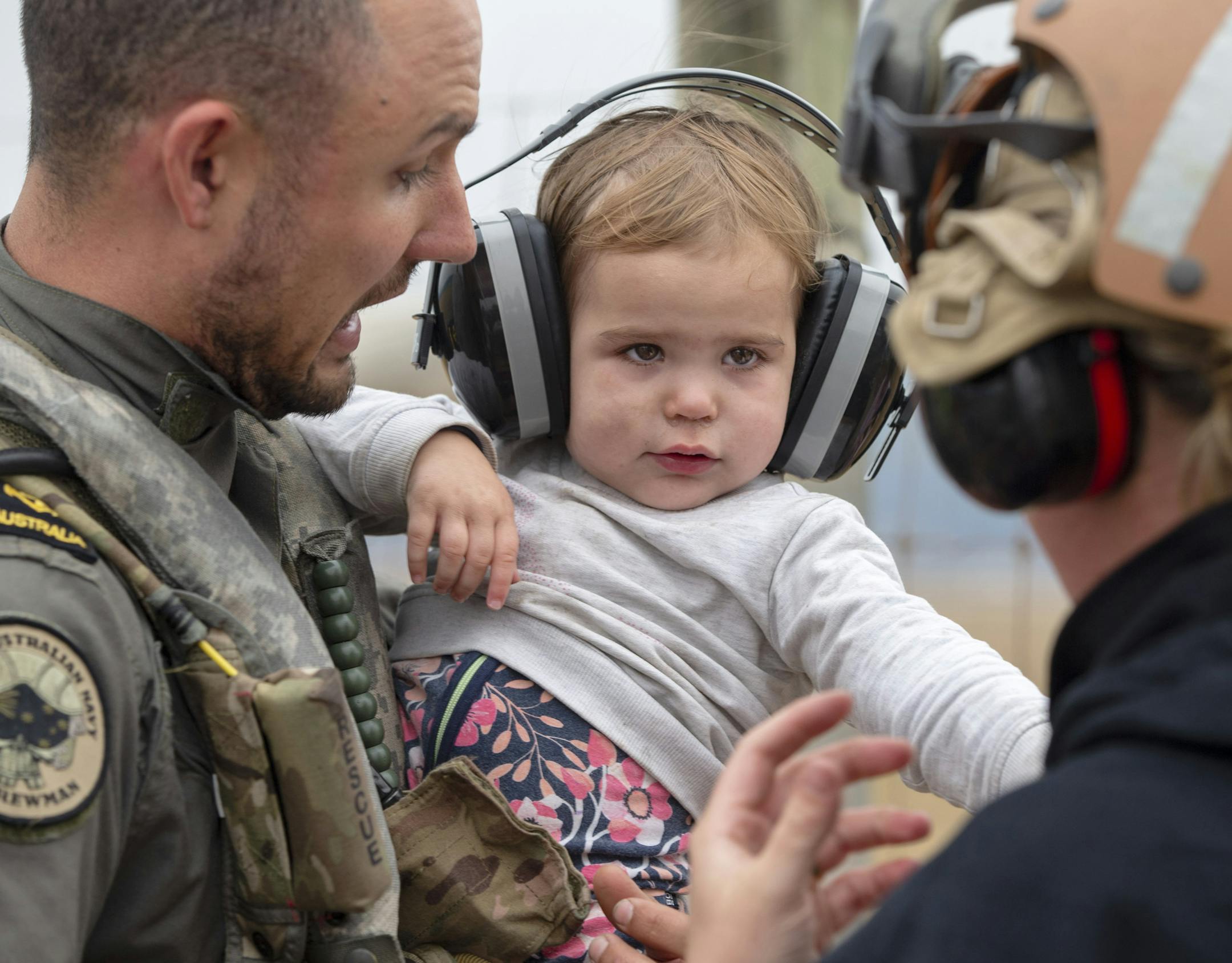
With no end in sight to the monthslong crisis, authorities are counting the cost after the weekend saw properties in small towns on the south coast of New South Wales and alpine villages in neighboring Victoria state razed by fires that grew so large they generated dry thunderstorms. Thousands of people have been evacuated to recreation grounds hastily converted into makeshift camps that are shrouded in toxic smoke.
"There is no room for complacency, especially since we have over 130 fires burning across the state still," New South Wales Premier Gladys Berejiklian said Monday. She said two more people were missing on the state's south coast; the national death toll since the fire season began unseasonably early in September has risen to 24.
Prime Minister Scott Morrison has faced criticism for his belated response in pooling national resources to combat the fires. On Monday he again signaled his conservative government won't toughen policies to combat climate change, which has been blamed for exacerbating a crippling drought that's helped create tinderbox conditions.
On Saturday he announced an unprecedented level of military support to boost firefighting and recovery efforts, while on Monday after an emergency meeting of the Cabinet he said his government will commit $1.4 billion over two years to assist recovery efforts, focused on repairing infrastructure and boosting mental-health care.
"Today's Cabinet was one of great resolve," Morrison said. "It was one where we stood together and said, whatever it takes, whatever it costs, we will ensure the resilience and future of this country."
Asked whether government relief funding and lost revenue due to the fires could jeopardize the government's promise to return the budget to surplus this fiscal year, Morrison said the surplus wasn't a focus compared to dealing with the human cost of the crisis. He said the economy's position of strength was allowing the government to adequately respond to the disaster and its economic implications.
Canberra, an inland city of about 500,000 people, has been one of the hardest hit by the smoke haze that's shrouded southeast Australia for weeks. Early on Monday, the capital again had the world's worst air quality, conditions that prompted the release over the weekend of about 100,000 particulate-filter masks from the national stockpile.