

The world is watching the ongoing negotiations with Iran over its nuclear program. They began days after tens of thousands of Iranian demonstrators screamed "Death to America!" outside the former U.S. embassy in Tehran.
That's what the world knows of Iran — its nuclear program, the resultant economic sanctions and the nation's turbulent relations with the West. The Iranian government talks about little else. Neither does the Western news media.
In the background, however, a far more serious problem afflicts the nation that almost no one of influence in Tehran ever discusses in public.
Iran is, quite literally, blowing away.
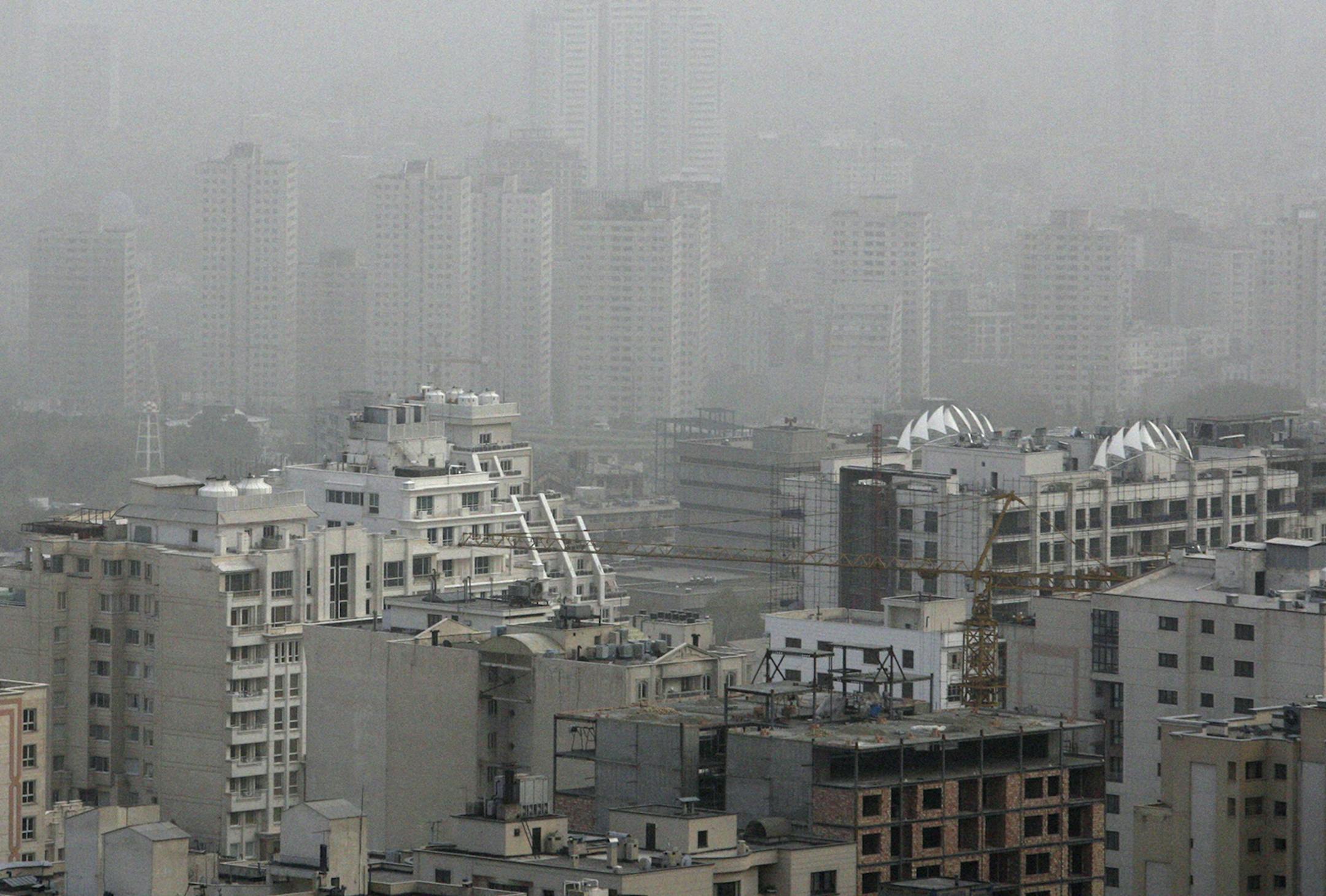
Lakes and ponds are drying up. Underground aquifers that supply most of the nation's potable water are emptying fast. More than two-thirds of the country's land is turning to desert; just 16 percent remains arable. Massive dust storms sweep across the country almost daily, afflicting 23 of the nation's 31 provinces — making it hard to breathe and killing thousands each year.
As the Tehran Times put it, quoting Yousef Rashidi, director of Tehran's Air Quality Control Company, "dust storms severely affect the health of citizens." After all, massive dust storms now envelop Tehran every third day, on average, and at least 80,000 people die from strangling dust and other pollutants annually, the state's Health Ministry reported late last month.
And yet, the nation's leaders seem never to talk about this — or to do anything about it — so fixated do they remain on their nuclear program and the American "devils."
Every once in a while, though, someone does speak out, as former Agriculture Minister Issa Kalantari did in a recent Iranian newspaper article: "The main problem that threatens us" and is "more dangerous than Israel and America or political fighting" is that "the Iranian plateau is becoming uninhabitable. If the situation is not reformed, in 30 years Iran will be a ghost town."


