

Each stage of the pandemic revives the question of what is coming next, usually in a more disturbing context. The next major event, I am sorry to say, is the disappearance of what I call ghost capital.
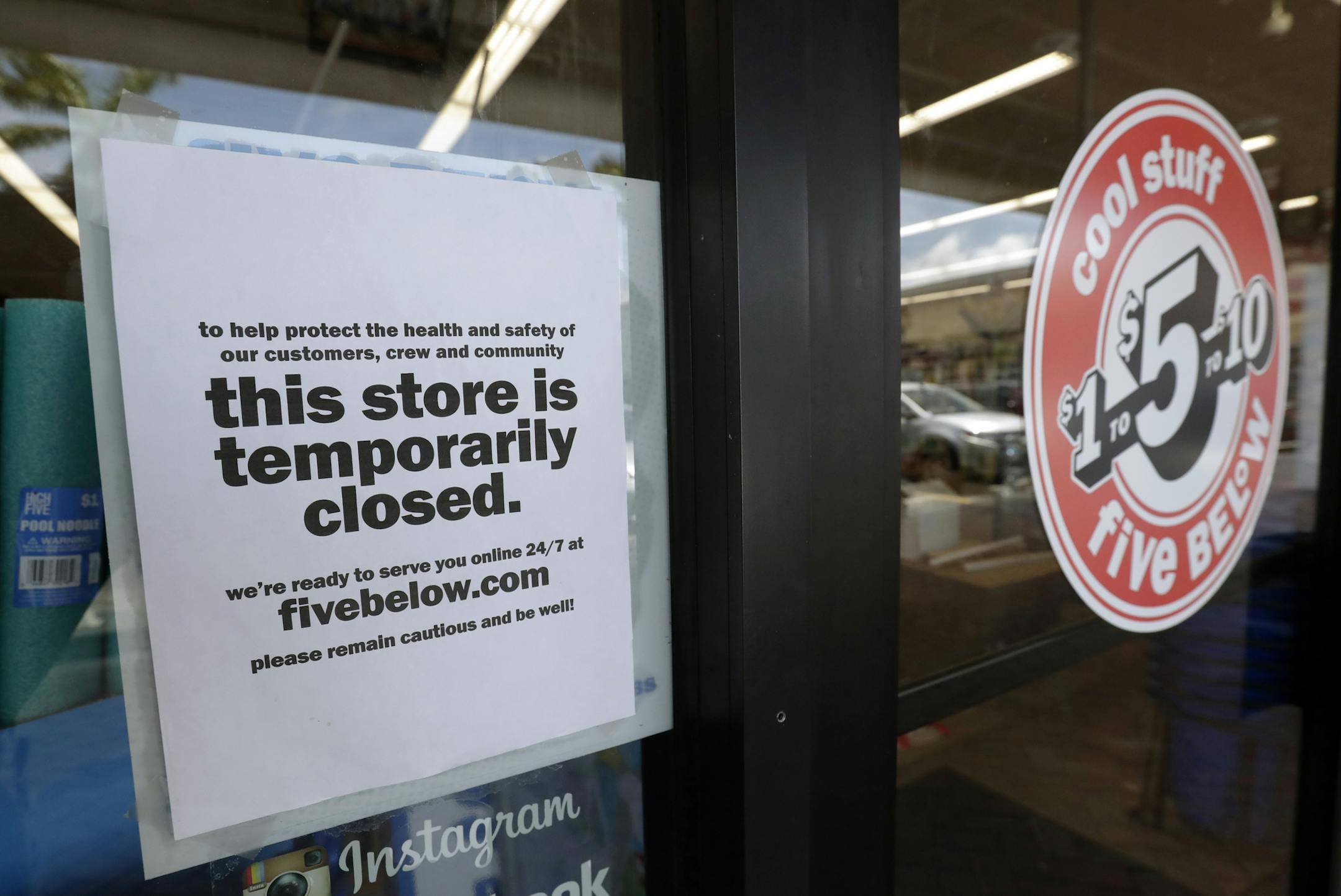
According to one estimate, about half of small businesses will be out of cash within a month, and many of them will close. The American economy has been living off the inheritance of its pre-COVID-19 past, and that cannot go on forever.
Consider your local restaurants. I live in northern Virginia, which is scattered with thousands of dining establishments of many different kinds. Many of them are currently open for takeout and delivery but not for sit-down dining. Even when they are allowed to welcome customers back inside, social distancing will mean they can't serve nearly as many patrons as before.
That's the supply side. Demand for in-restaurant dining is likely to fall as well, though estimates vary. Since the average small business carries less than a month's worth of liquid reserves, and the wait for a vaccine is likely to be at least a year, many restaurants will simply be unable to survive the shrinking of the market.
I call these places ghost restaurants because they are still walking around, so to speak, visible to us and listed on Yelp, but not really alive and without much of a future.
In a few months' time, a significant number of these ghost enterprises will be gone. My drive around northern Virginia, rather than being rich with culinary choice, will soon become fairly desolate — and the overall economic landscape will indeed be much emptier.
What else in our current capital structure might qualify as "ghost"?
We are still watching TV shows made before the pandemic, but the supply of new material is starting to run thin. South Korea and a few other nations are producing fresh content, but a lot of U.S. television programming is already looking to adapt to the new scarcity of programming content.


