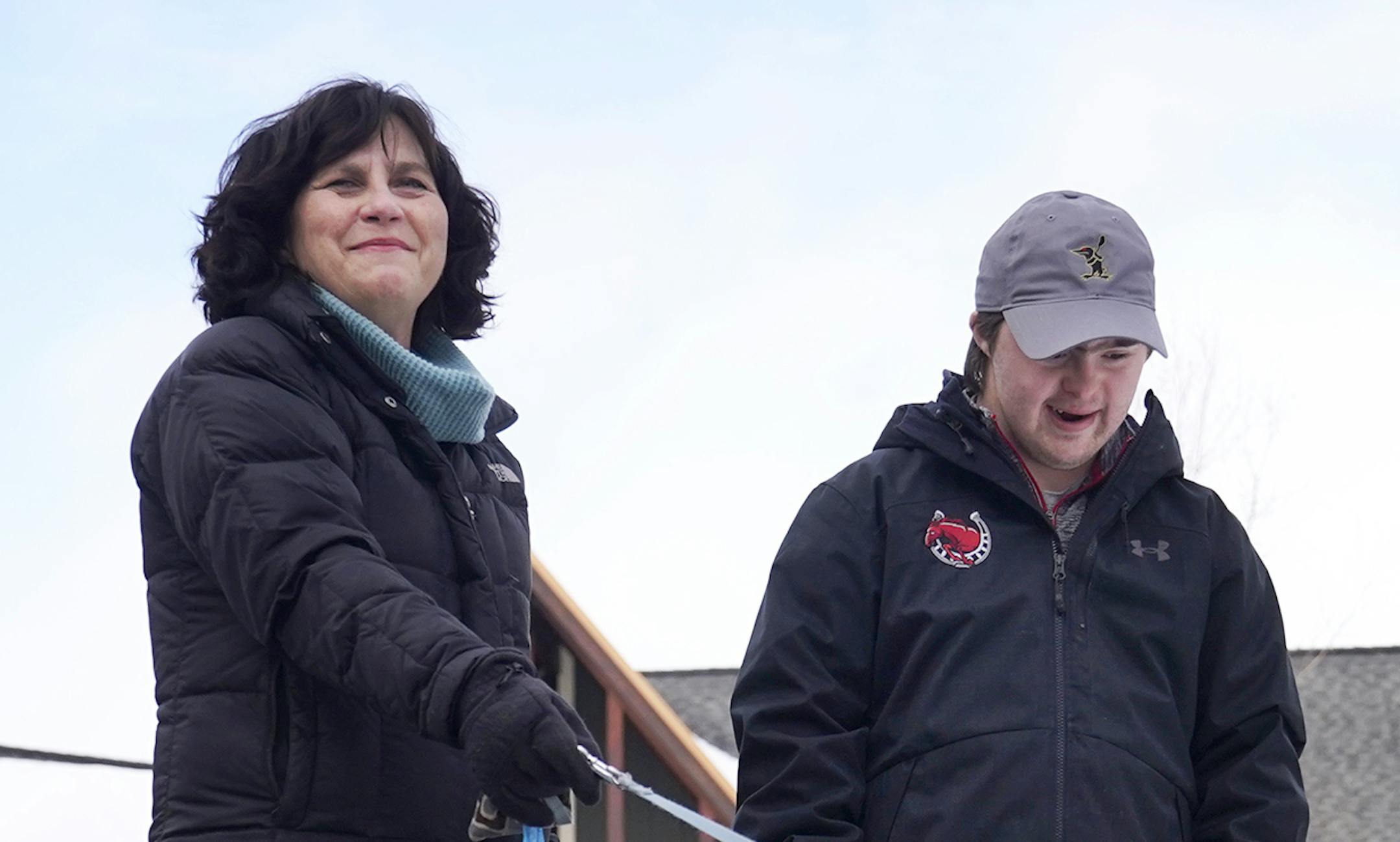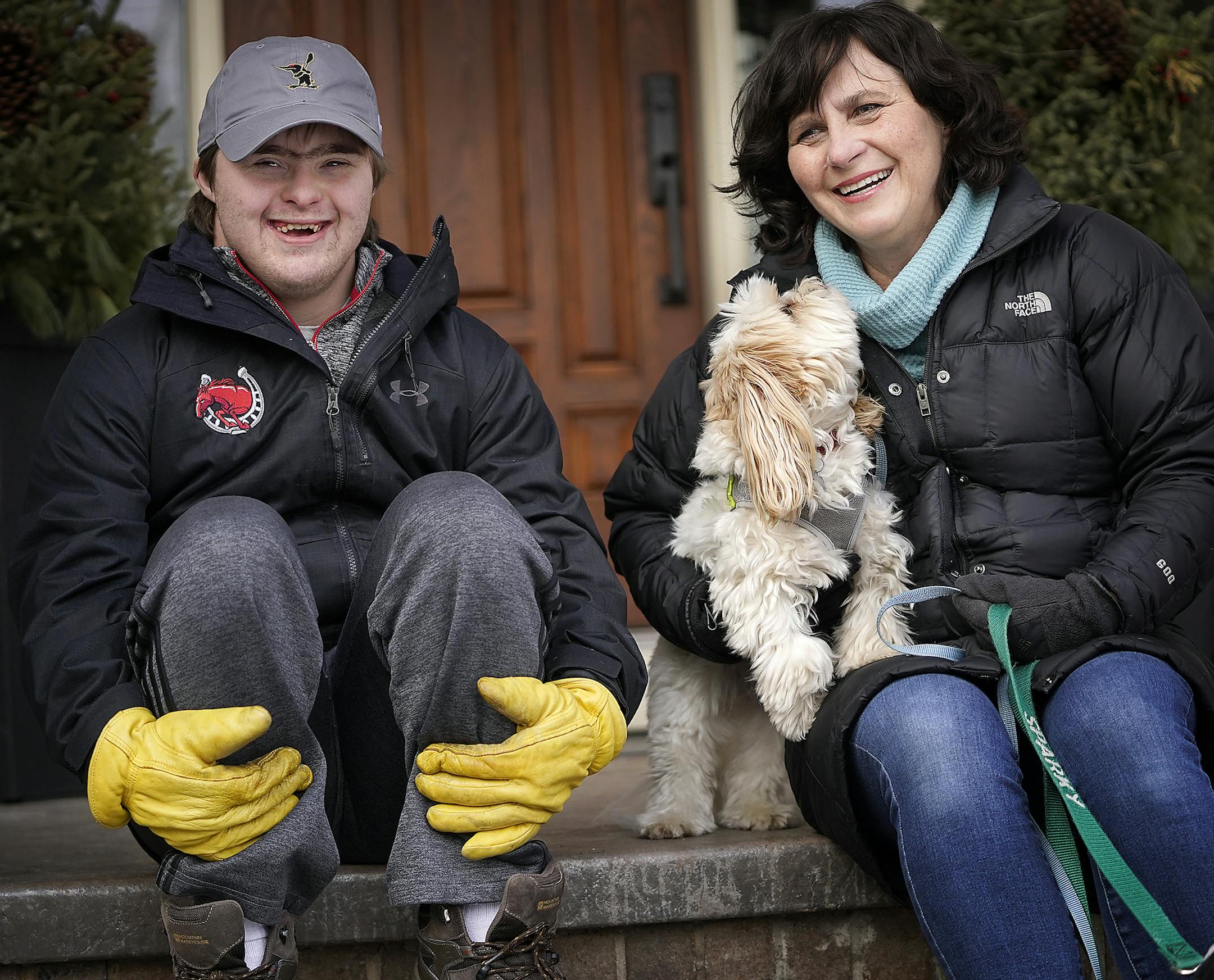
For weeks, Kristine Phelps has been scouring the Minnesota Health Department's website, hoping to find the words "developmental disability" or "Down syndrome" somewhere in the government's plan for rolling out the coronavirus vaccines.
But each search ends in disappointment for Phelps, who cares for her 29-year-old daughter Hannah, who has Down syndrome and lives at her home in south Minneapolis. So far, the state's plan makes no mention of when people with disabilities who live at home will get the lifesaving shots.
"We feel forgotten," said Phelps. "When it comes to the vaccine, it's like we're deemed second-class citizens or even worse — we're invisible."
Research published this fall found that adults with Down syndrome are nearly five times more likely to be hospitalized from COVID-19 and 10 times more likely to die from the virus than the general population. The risks are so high for this population that the federal government in late December added Down syndrome to its select list of a dozen health conditions that carry an increased risk of severe illness from COVID-19.
Yet six weeks after the vaccines arrived, Minnesotans with disabilities and their families fear they are being left out of the state's phased rollout efforts. Their letters and calls to be included in the state's distribution plan have gone ignored, they say, leaving them frightened and confused about how long they will have to wait. While largely confined in their homes, they have watched as other states, including Indiana, Ohio, Pennsylvania, Tennessee and Texas, have put people with disabilities high on their priority lists for the vaccines.
In a statement, the state Health Department said people with Down syndrome and other disabilities who live in congregate care facilities, like group homes, are included in the first phase of the vaccine rollout.
The state is still evaluating how to prioritize other populations, including people with disabilities who live independently and those with underlying health conditions.
"There are many Minnesotans who need and deserve the vaccine right now," the agency said in its statement. "That's why Gov. [Tim] Walz and [Health] Commissioner [Jan] Malcolm have continued to press the federal government to send more vaccine as quickly as possible and will announce more soon about how more Minnesotans can expect to access vaccine in the coming months."