

Animal species are disappearing at an accelerating rate — portending the sixth mass extinction in the 4.5-billion-year history of the Earth, a study concludes.
"We are entering a mass extinction equivalent to what happened to the dinosaurs" unless conservation efforts are intensified, said Anthony Barnosky, a paleontologist at the University of California, Berkeley, and a study author.
If the trend continues, "within two human lifetimes we are in danger of losing three of four species on Earth," he said.
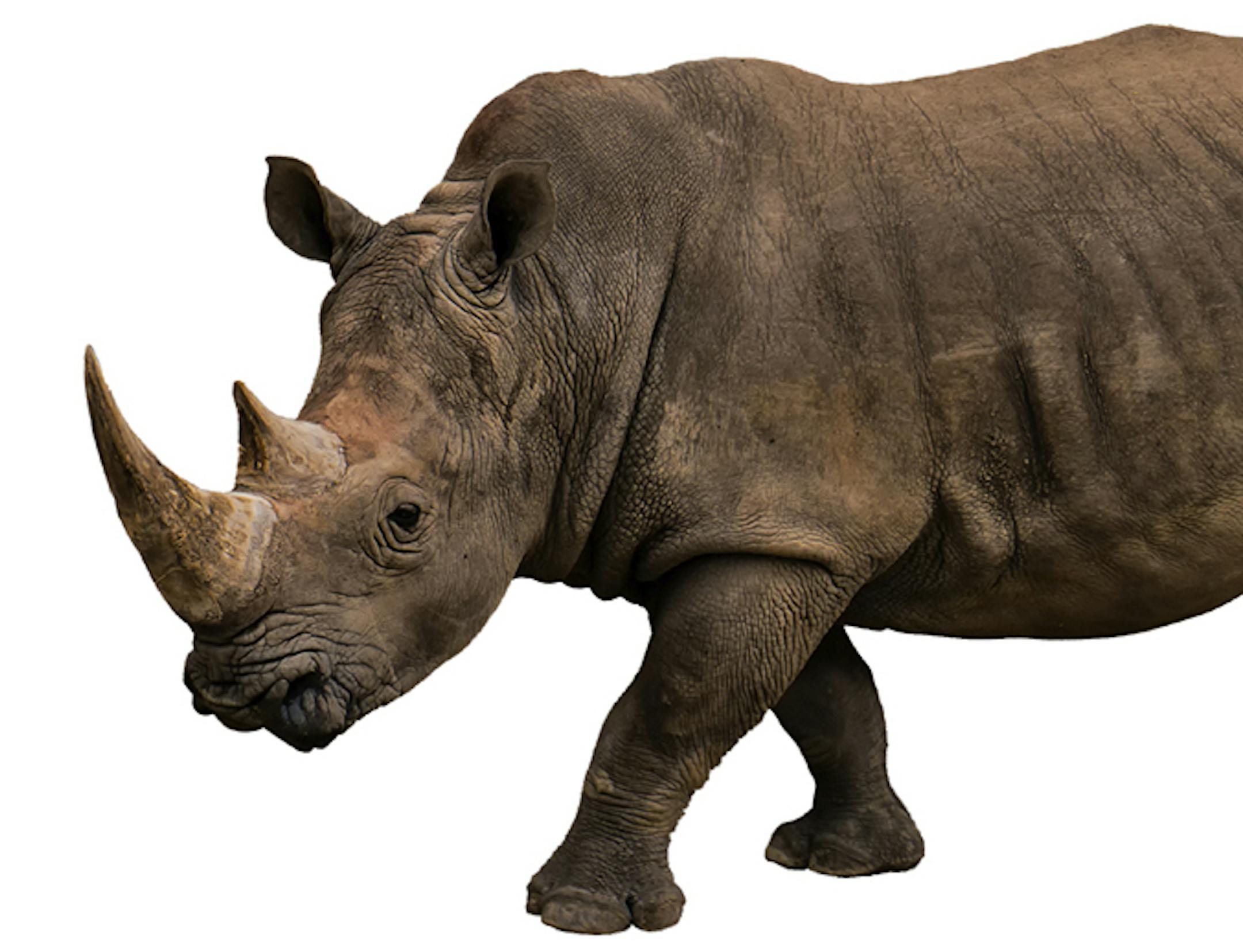
The 21st century may be the end of the line for animals confined to small and shrinking habitats, such as the Yangtze River dolphin or the African black rhinoceros. And, Barnosky said, their loss may be followed by such iconic animas as elephants and tigers.
Also vulnerable are California's state tree, the redwood; the state reptile, the desert tortoise; the state amphibian, the red-legged frog; and the state mammal, the grizzly bear, he said.
"They are all moving to same status as the state fossil, the saber-tooth cat," he said.
Based on fossil records, the expected rate of extinction of vertebrate species, without human activity, is 2 per 100 years per 10,000 species. At this rate, nine species would have been expected to go extinct since 1900.
But the actual toll has been far higher, the study found. At least 198 vertebrate species have been lost since 1900: 35 mammals, 57 birds, 8 reptiles, 32 amphibians and 66 fishes. When the category is broadened to include species that are possibly extinct or extinct in the wild, the total rises to 477.


