

![Irene Stemmer of Wayzata has saved its 19th century "Trapper's Cabin," moving the 1880s log building from its original site to restore the building and move it to a city park on August 7, 2013 in Wayzata, MN. ] JOELKOYAMA•joel koyama@startribune Wayzata has saved its 19th century "Trapper's Cabin," moving the 1880s log building from its original site to restore the building and move it to a city park. The 12-by-15-foot cabin is thought to have been built in the 1880s when the](https://arc.stimg.co/startribunemedia/KRPNXF5P7ZEFHUO4FLEGWCVRLM.jpg?&w=1080)
Once, someone lived here, in a cabin made of tamarack logs.
It must have been hard work in the 1800s, downing trees with hand saws and notching logs to fit as the little building rose from a dirt floor. It would have been freezing in the winter, when the wind whipped through gaps in the walls.
Lake Minnetonka was just a short walk away. Perhaps a trapper built the cabin, hanging beaver and muskrat pelts from nails on the walls. Maybe loggers used it as a resting place.
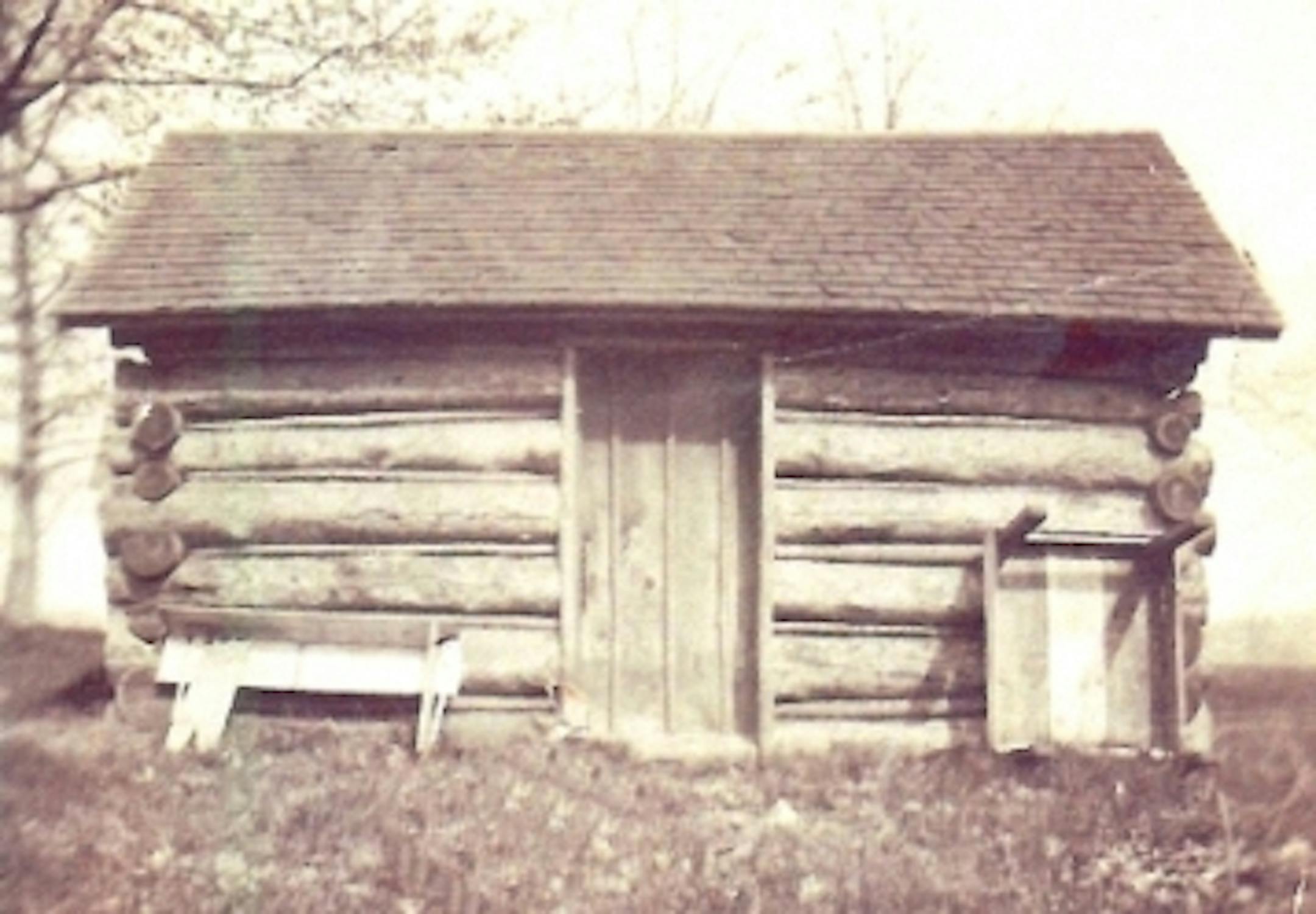
Today, an estimated 130 years after the cabin was built, the now-silver logs are basking in unfamiliar sunshine on the grounds of Wayzata Public Works. Last month, the cabin was lifted carefully from its wooded home on Bushaway Road and moved so it can be restored and relocated to Wayzata's Shaver Park.
The project is close to the heart of Irene Stemmer, chairwoman of Wayzata's Heritage Preservation Board. For years she has worked to save the cabin. As the oldest-known building in the city, she said, the modest log structure is "an icon of Wayzata history."
"When I saw this little cabin standing on its [moving] pilings, it was like 'The Little Engine That Could,' " Stemmer said. " 'Here I am, I am intact and I am ready to go.' "
The cabin's origins are a mystery. A University of Minnesota forestry expert identified the cabin's logs as tamarack, a bog-loving tree that was once common around Lake Minnetonka but now is mostly gone. The cabin can be seen in historic pictures of houses that were first built on the land in 1889.
The first owner of the land where million-dollar homes now stand was Horace Norton, who bought 160 acres from the government in 1855 for $1.25 per acre, selling it shortly thereafter. To keep their land, so-called "squatters" had to live on their property for 14 months.
![Irene Stemmer of Wayzata has saved its 19th century "Trapper's Cabin," moving the 1880s log building from its original site to restore the building and move it to a city park on August 7, 2013 in Wayzata, MN. ] JOELKOYAMA•joel koyama@startribune Wayzata has saved its 19th century "Trapper's Cabin," moving the 1880s log building from its original site to restore the building and move it to a city park. The 12-by-15-foot cabin is thought to have been built in the 1880s when the](https://arc.stimg.co/startribunemedia/NYAJ2DV5I3HF7VQVI7ORNLHAQ4.jpg?&w=1080)
![Irene Stemmer of Wayzata has saved its 19th century "Trapper's Cabin," moving the 1880s log building from its original site to restore the building and move it to a city park on August 7, 2013 in Wayzata, MN. ] JOELKOYAMA•joel koyama@startribune Wayzata has saved its 19th century "Trapper's Cabin," moving the 1880s log building from its original site to restore the building and move it to a city park. The 12-by-15-foot cabin is thought to have been built in the 1880s when the](https://arc.stimg.co/startribunemedia/EW5JMMNNCGNFMQF3L43E7TRVM4.jpg?&w=1080)
![Irene Stemmer of Wayzata has saved its 19th century "Trapper's Cabin," moving the 1880s log building from its original site to restore the building and move it to a city park on August 7, 2013 in Wayzata, MN. ] JOELKOYAMA•joel koyama@startribune Wayzata has saved its 19th century "Trapper's Cabin," moving the 1880s log building from its original site to restore the building and move it to a city park. The 12-by-15-foot cabin is thought to have been built in the 1880s when the](https://arc.stimg.co/startribunemedia/K7TQBYEBW2YIC6IPX32IMWDWGE.jpg?&w=1080)

