
Wayzata kicks off major lakefront project

Last week, Wayzata celebrated the start of a year-long process to decide how the city can boost its treasured lakefront.

May 14, 2013 at 7:07PM
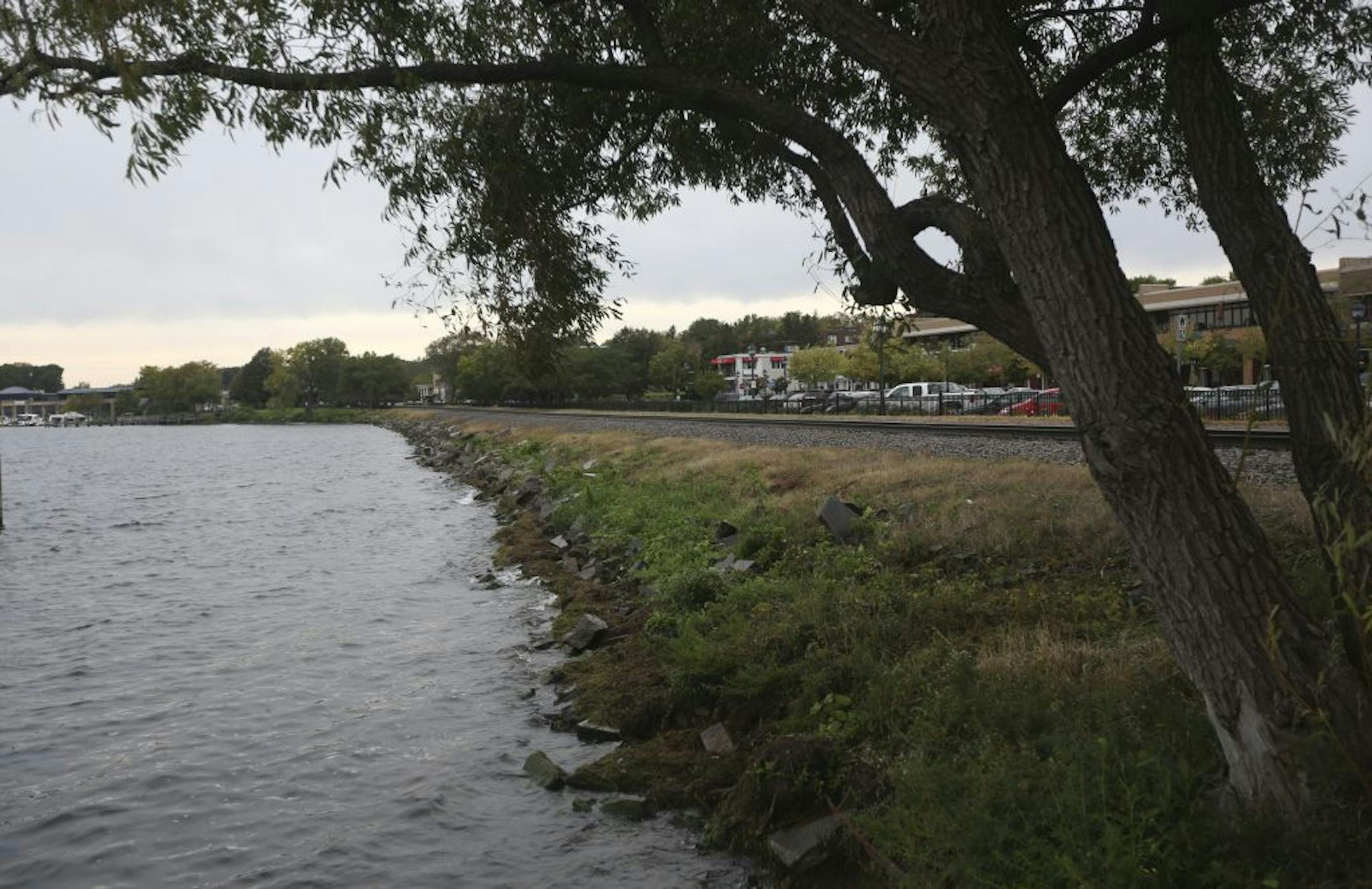
The lakefront by the Broadway dock in downtown Wayzata, Min., Wednesday September 12, 2012.
The railroad tracks now stand between Wayzata Bay and downtown — another hurdle to planning. Residents want better access to the lake. (Star Tribune/The Minnesota Star Tribune)

A major project that could transform Wayzata's shoreline was launched last week with the start of a year-long conversation on how to get the most out of Lake Minnetonka.

Cities on the metro area's largest and most popular lake now want to cash in on their greatest asset and ramp up recreation, drawing more people to the lake year-round. The idea is to turn the entire Lake Minnetonka region into a tourist attraction for the metro area and the state.

That could translate into anything from public art and a boardwalk to bike trails and community festivals, boosting not just Wayzata but the other 13 cities on the lake.

"Wayzata is a very important community on Lake Minnetonka.... It's really the gateway to the lake," said Patrick Seeb, executive director of the St. Paul Riverfront Corp., which is gathering community input. "It has to figure out how to be the host for the Twin Cities as the point of interest to Lake Minnetonka, but ... [also] protect its charm and small town feel."

Cashing in on lake tourism

More than 200 residents, area mayors, businesses and other community members attended the kickoff event last week to the ambitious lakefront enhancement project in Wayzata.

They explored lakefront projects done elsewhere and gave input on what the community values before specific ideas are drafted next year for lakefront projects.

The goal: to unveil a 10-year plan for the lakefront, with new development possibly starting as soon as the next few years.

Bette Hammel, 87, has lived near Wayzata's marina for 27 years and is publishing her third book on area lake homes this fall. While she said some longtime residents are wary of how the project could change the small town of 4,000 residents, she's supportive, envisioning a long boardwalk and amenities that draw younger families and increase retail.

"This is a very important thing for Wayzata," Hammel said. "It's an unusual town because it's right smack on the shoreline of Lake Minnetonka."

Mayor Ken Willcox and City Manager Heidi Nelson said the city has heard from residents over the years asking for more gathering places by the lake, more dock space for boats to stop in Wayzata and better access to the lake. A railroad track also cuts near the shoreline -- a hurdle that planners will face in revamping the area.

Success seen elsewhere

The payback for improving the lakefront could be huge.

Ed Freer is an architect with SmithGroup JJR in Madison, Wis., and has worked on lakefront projects across the country. He spoke at last week's kickoff event in Wayzata and said cities typically see six to eight times the return on investment from lakefront improvement projects.

"The regional impacts of a beautiful waterfront are tremendous," he said.

In many ways, what Wayzata and so many other communities across the East and West coasts are doing harkens back to their roots in the late 1800s, when hotels, resorts and amusement parks in lakeside towns drew urbanites escaping the city on trolleys.

Wayzata, though, doesn't have the budget to do any massive improvements on its own, Willcox said. It will appeal to federal, state, county and other agencies to partner on eventual projects along the lake.

"It belongs to the region, not just Wayzata," he said.

Seeb, whose St. Paul company has worked with several other cities on lakefront improvements, said it's going to take multiple projects to draw tourists, and not just in the summer but winter as well.

Innovative things -- like a 10K ice skating trail from Wayzata to Excelsior or, Freer added, science classrooms on floating barges -- could draw people to the lake for unique activities.

"These places are all successful because they get people to the water," Freer said of other cities' initiatives.

What's next

The St. Paul Riverfront Corp., which the city hired earlier this year for $99,000, will gather information over the next few months. They'll oversee small group meetings, community surveys and one-on-one interviews with other government groups like the Lake Minnetonka Conservation District, Minnehaha Creek Watershed District and Three Rivers Park District.

In December, they'll unveil the feedback they've gathered and begin the six-month process of developing project ideas with the community.

"It's paramount the process be inclusive and critical the lakefront plan embraces universal access," Freer said. "We're dealing with a point in time that will create opportunity that will be realized in the next five or 10 years."

Kelly Smith • 612-673-4141; Twitter: @kellystrib

about the writer

about the writer

Kelly Smith

News team leader

Kelly Smith is a news editor, supervising a team of reporters covering Minnesota social services, transportation issues and higher education. She previously worked as a news reporter for 16 years.

See Moreicon

More from No Section

See More
FILE -- A rent deposit slot at an apartment complex in Tucker, Ga., on July 21, 2020. As an eviction crisis has seemed increasingly likely this summer, everyone in the housing market has made the same plea to Washington: Send money — lots of it — that would keep renters in their homes and landlords afloat. (Melissa Golden/The New York Times) ORG XMIT: XNYT58
Melissa Golden/The New York Times

It’s too soon to tell how much the immigration crackdown is to blame.