Pat Connors remembers fondly the big green gate, big enough for half a dozen or more to sit on.
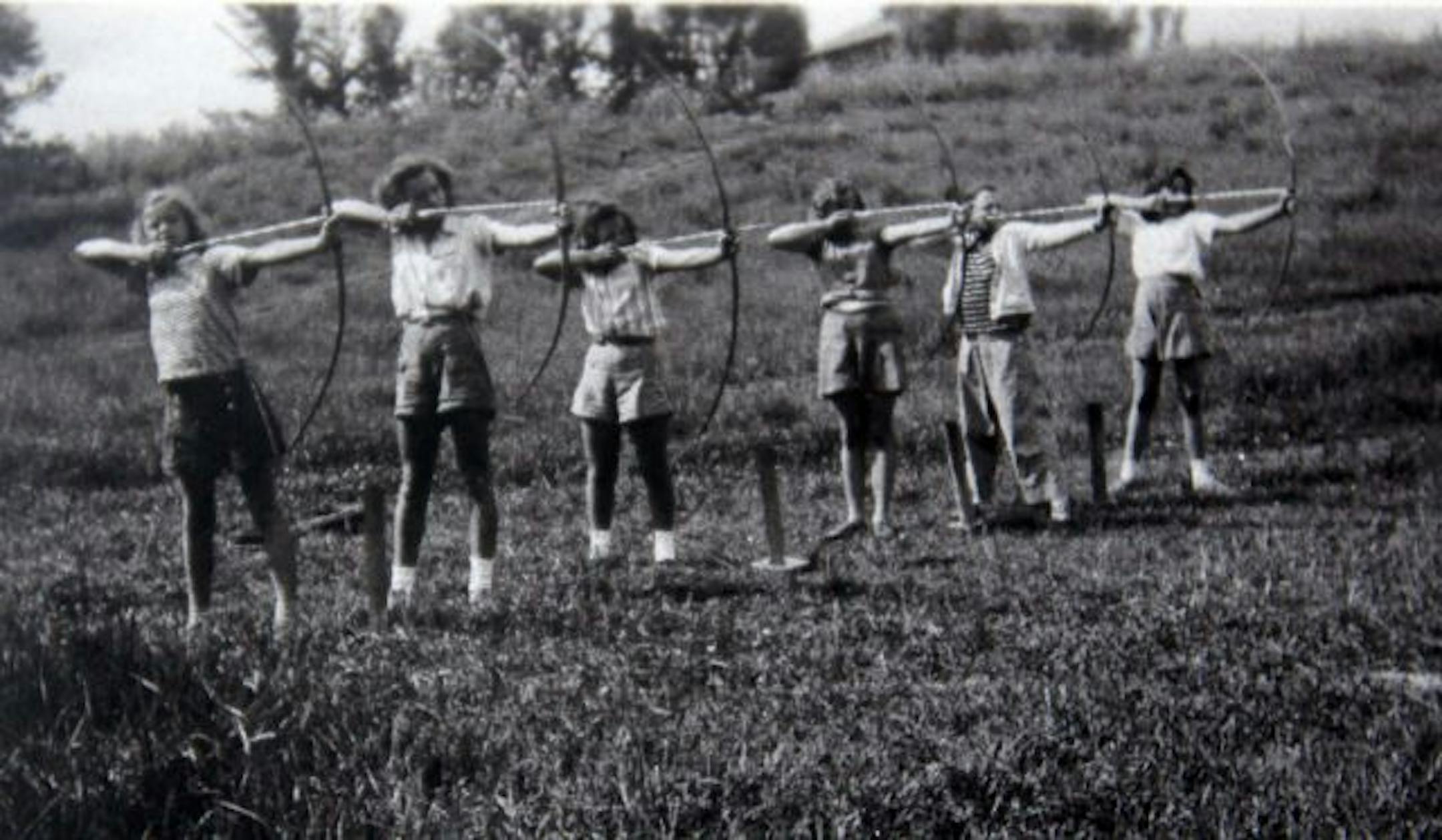
As was tradition at Camp Greenwood in the 1950s, counselors at the Girl Scout camp would wave from their perch at the departing buses as their former charges -- often weeping as long-forgotten homesickness had quickly eased into enduring friendships -- were carried home after a memory-filled respite in the woods.
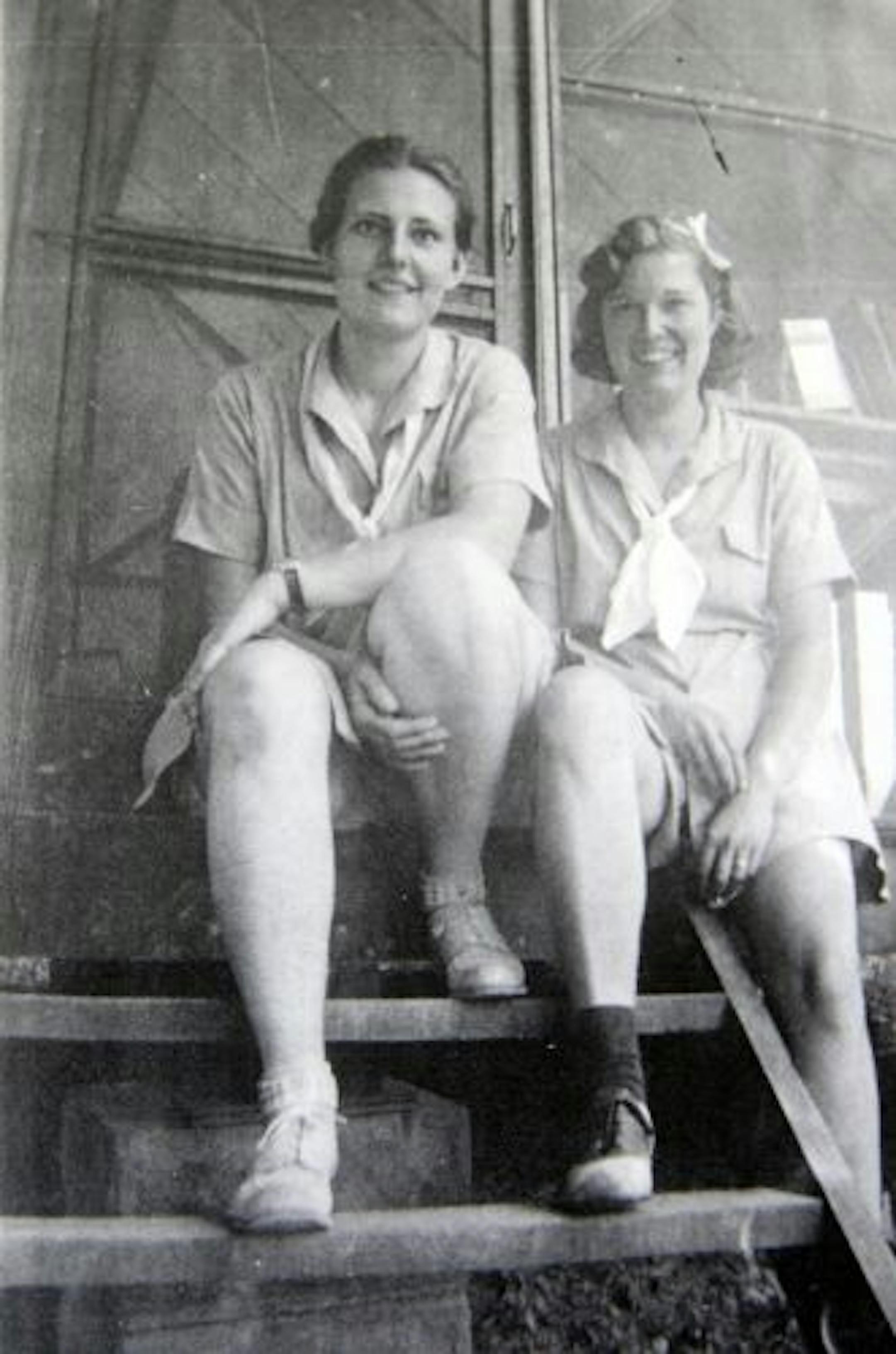
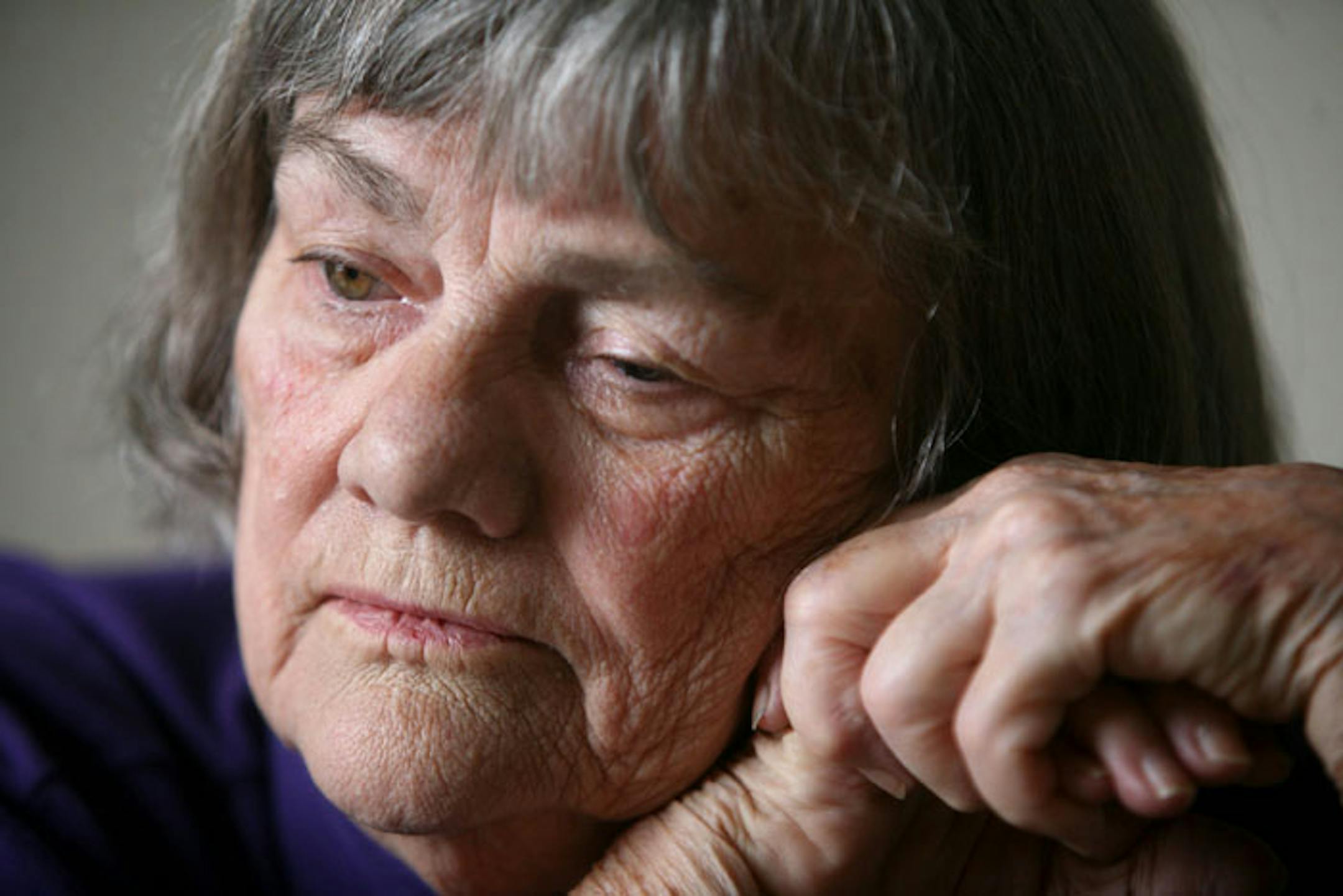
Connors, 81, is a proud lifetime member of the Girl Scouts, first joining in 1942. "I like to say I'm an ancient Girl Scout," she said. A retired teacher who taught at three schools in St. Louis Park, she also spent much of her life working summers as a counselor at Camp Greenwood and other camps across the nation.
But Greenwood, near Buffalo, Minn., is close to her heart. So word that it will close at the end of September -- along with Camp Rolling Ridges near Hudson, Wis., and Camp Piper Hill near Medford, Minn. -- struck a wistful note.
But while the camp she loved will no longer be used by Girls Scouts, she holds fast to the lessons, memories and friendships she made there. "There are a lot places, spots, that are like memories," she said. "There are lots of friendships that have built up. I'm in touch with -- in fact, I just saw them last week -- two of my tentmates from camp."
The reward of mentoring young women drew Connors back to camp year after year. For many, it was a transformative experience. "The campers have to make their decisions, they're responsible for themselves. They had jobs they had to do because people are counting on them," Connors said, plus "they can just sop up the beauty of the world."
The difficult decision to close the three camps doesn't mean those opportunities for Girl Scouts will be lost, said Tisha Bolger, chief operating officer for the Girl Scouts of Minnesota and Wisconsin River Valleys. There are still four camps within a 50-mile radius of the Twin Cities.
A task force last summer began a comprehensive review of 17 sites owned by the agency. "What we realized is that we have much more capacity than we have girls."