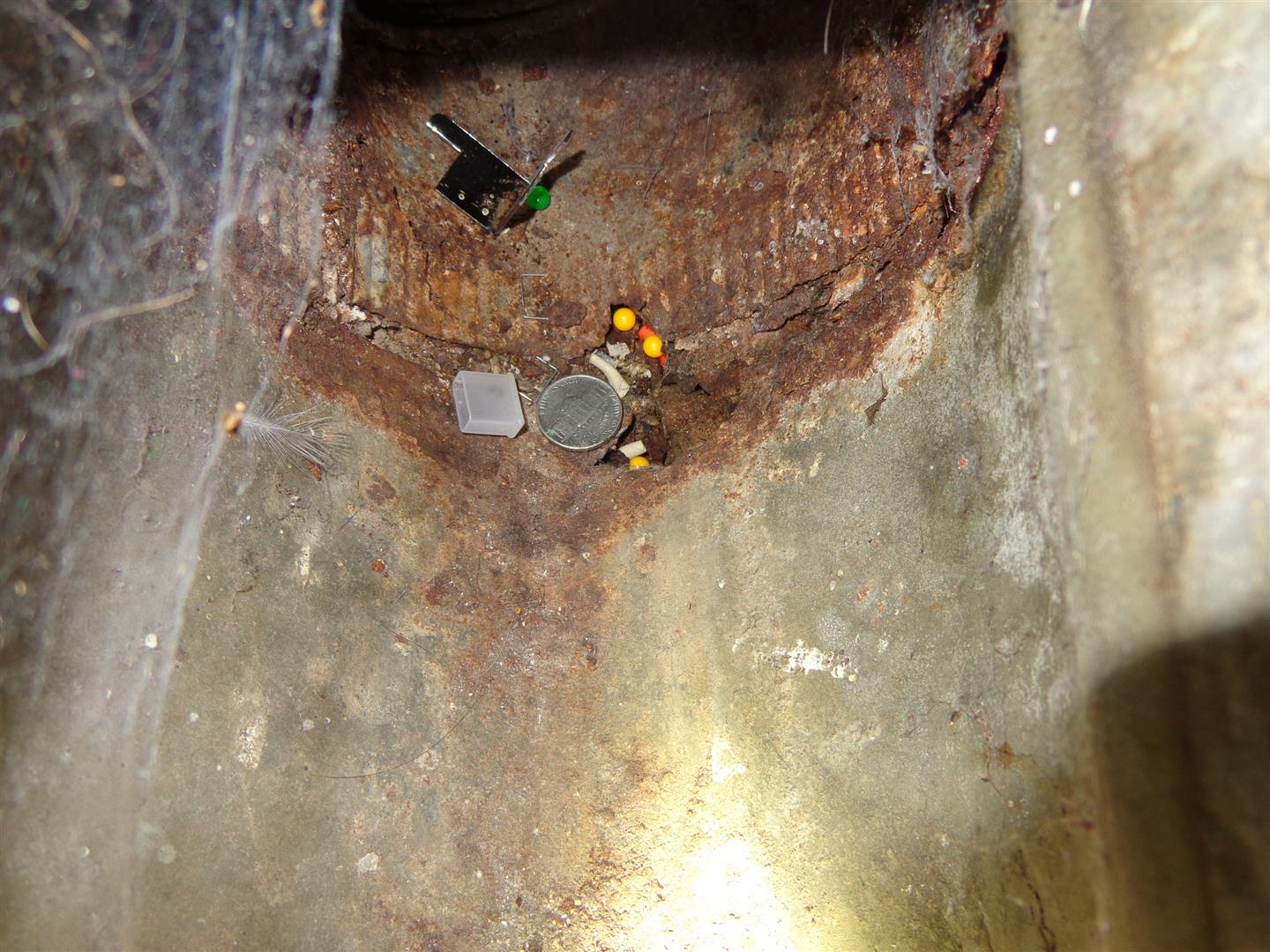
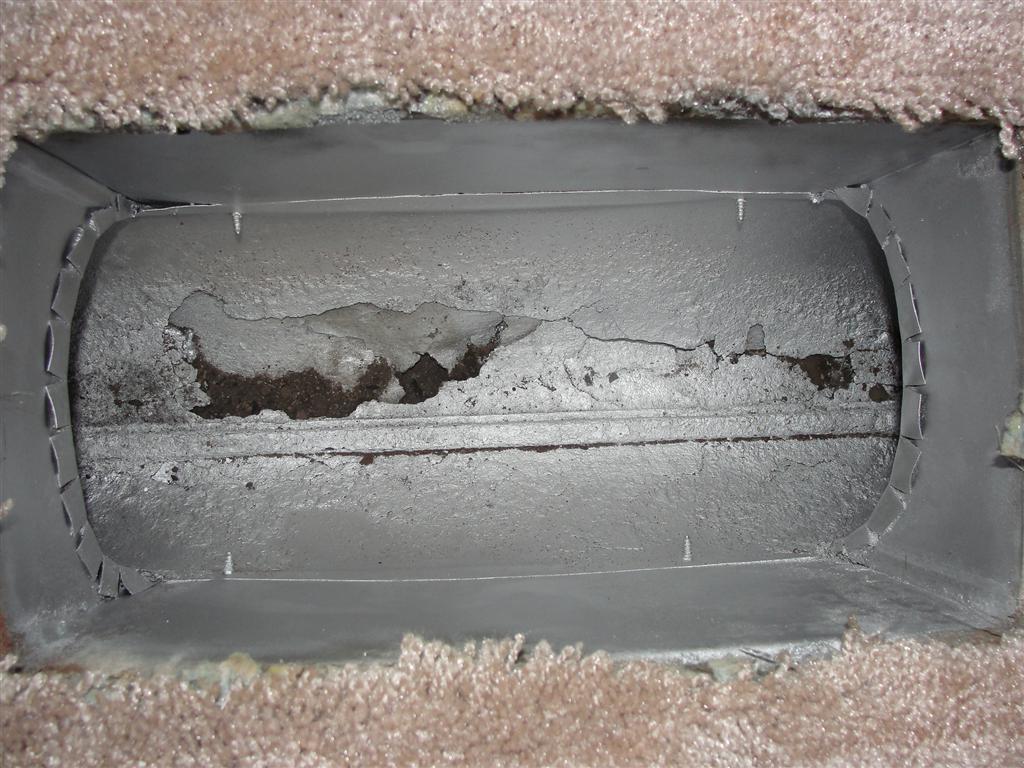
In last week's blog post on transite heat, I explained that most sub-slab ductwork is not transite. It's not transite heat, it's not transite ductwork, and it should not be labeled as such unless the ductwork is actually made from transite. If it is, that means it contains asbestos. The downside to transite heat is that it can't be cleaned without the risk of releasing asbestos fibers into the air.
The biggest concern with all sub-slab ductwork is the potential for water to enter the ducts, which is what today's blog post is all about.
Water is bad news
Regardless of what type of sub-slab ductwork is present, water is the main concern. If water finds its way into sub-slab ductwork, mold can follow. This leads to poor indoor air quality and health concerns. That stuff at the top of the duct in the picture below sure looks like mold, doesn't it?
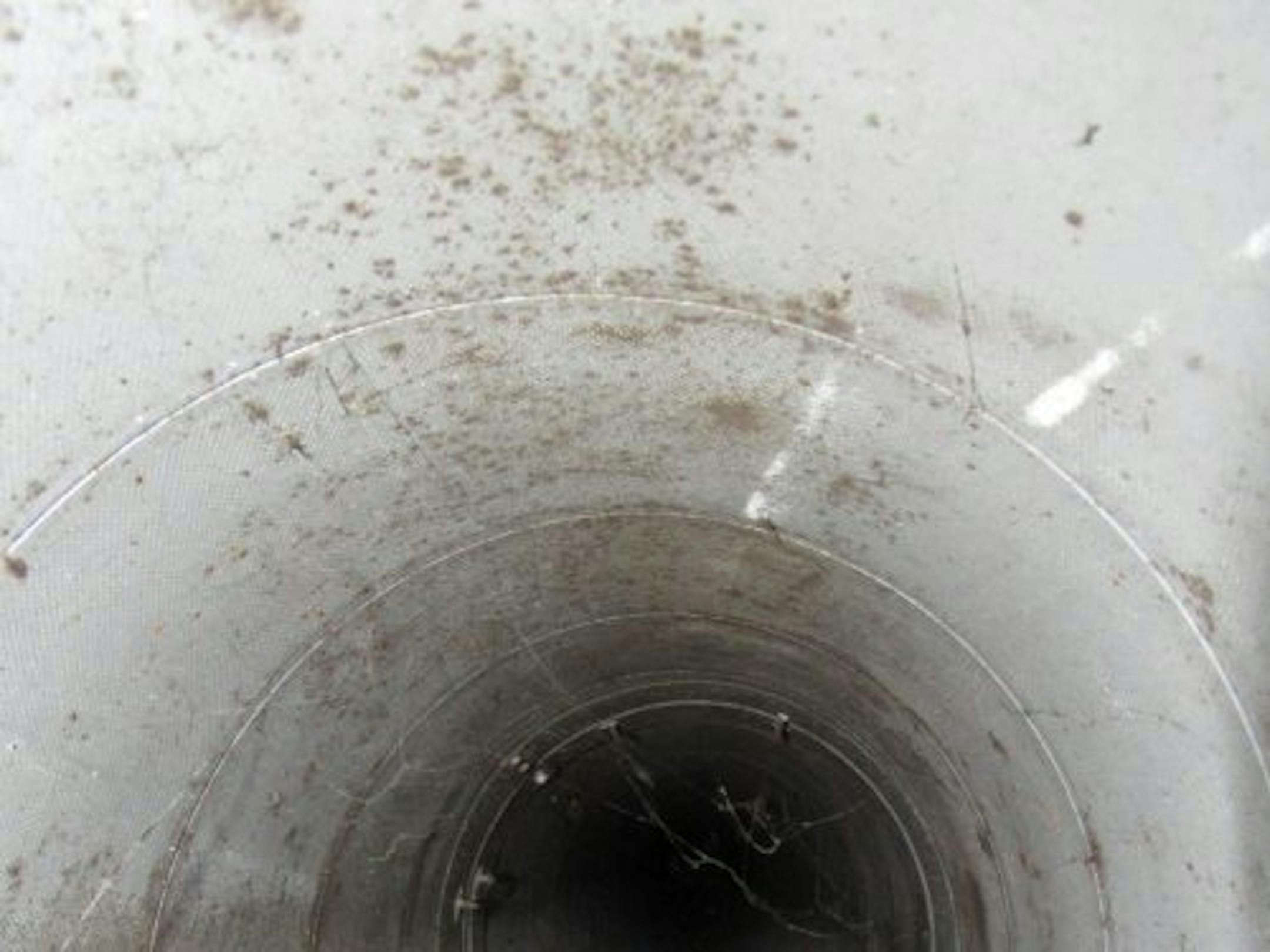
If you're buying a home with sub-slab ductwork, make sure that your home inspector checks the sub-slab ductwork for any signs of past water intrusion. Signs of water intrusion are a major concern because it's usually not a simple repair. The image below shows a modern PVC duct with clear signs of chronic water problems.
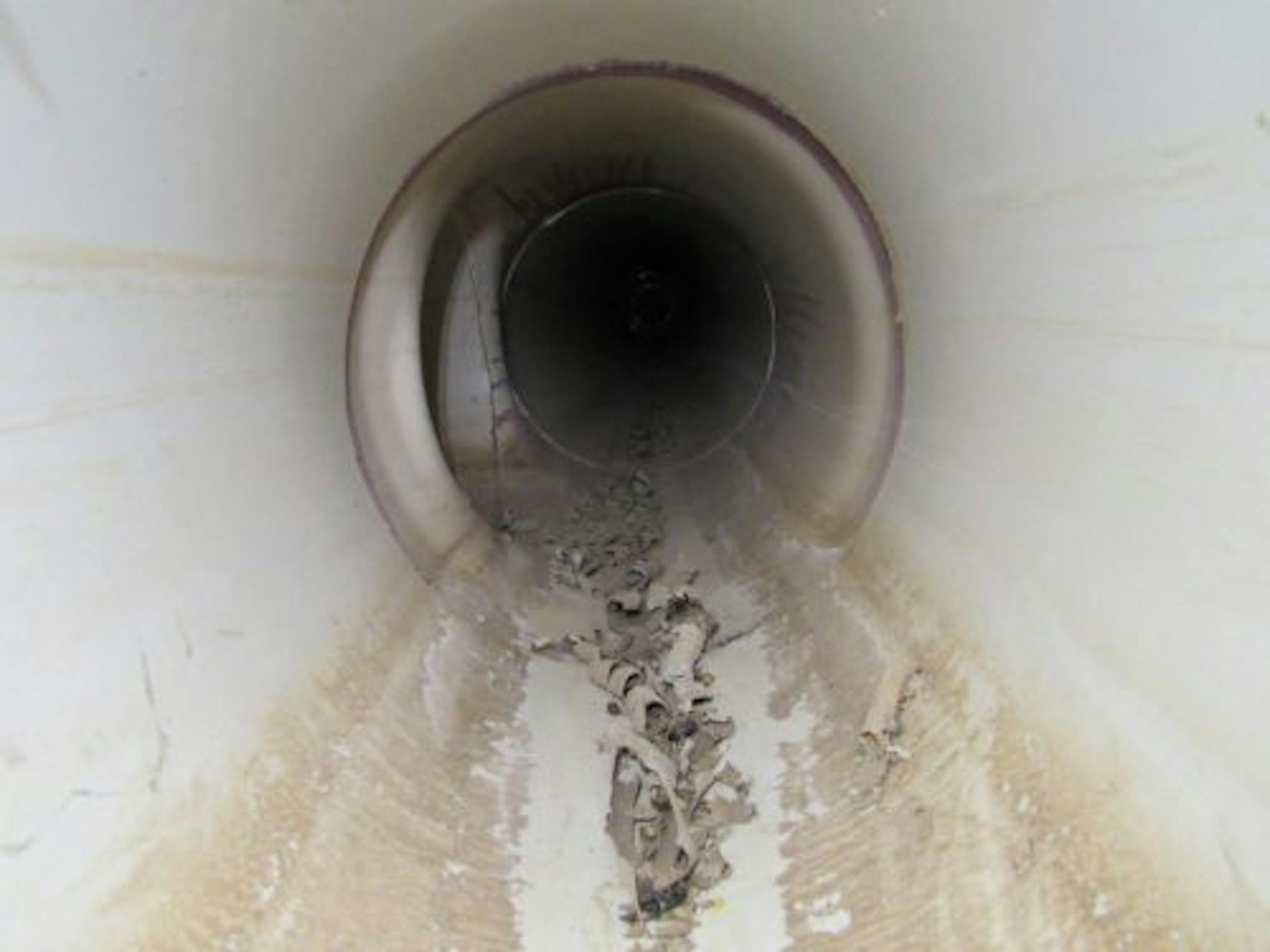
Here's another duct with a similar situation, but not as bad.
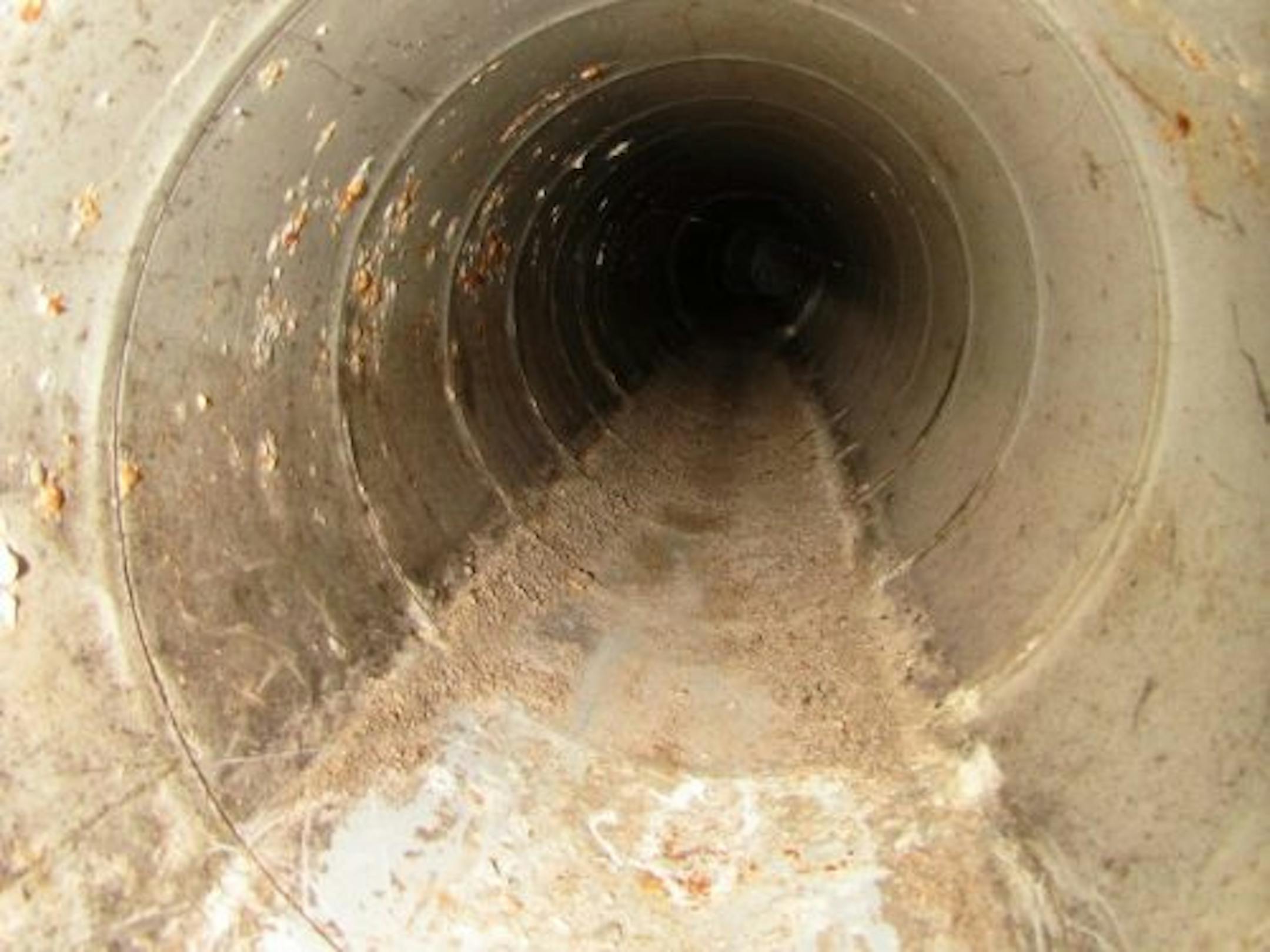
The rest of these images show sub-slab ductwork with standing water.
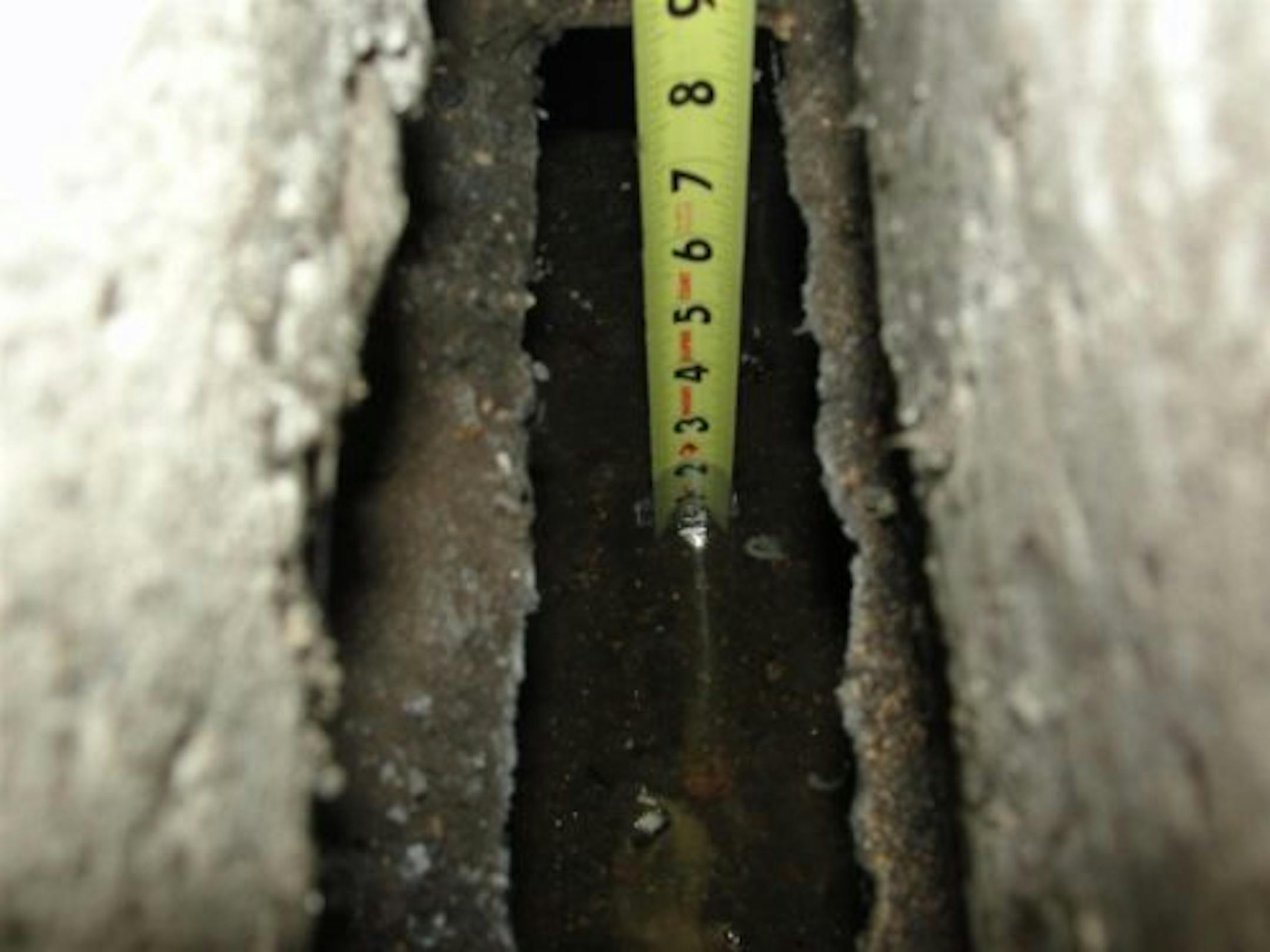
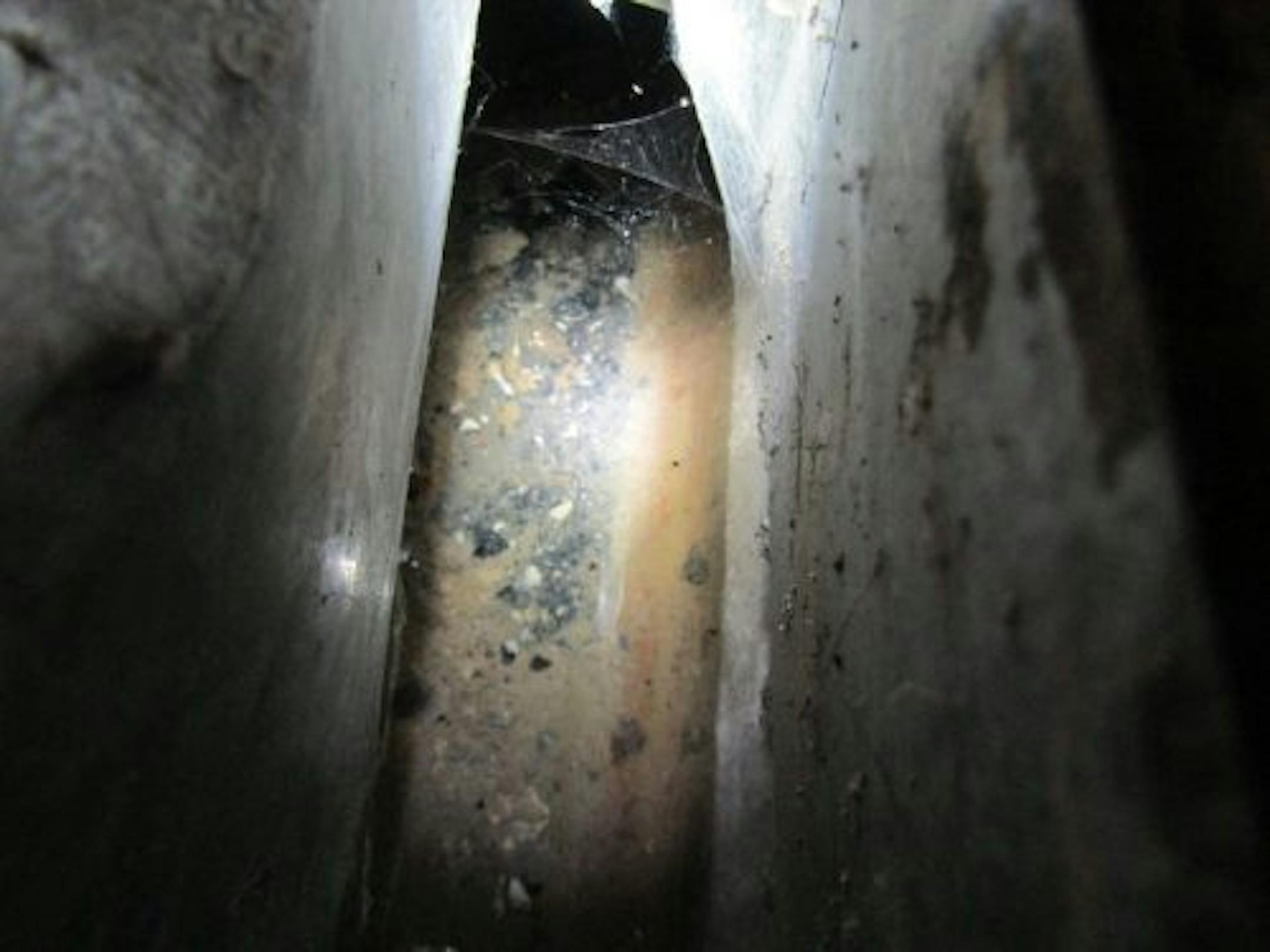
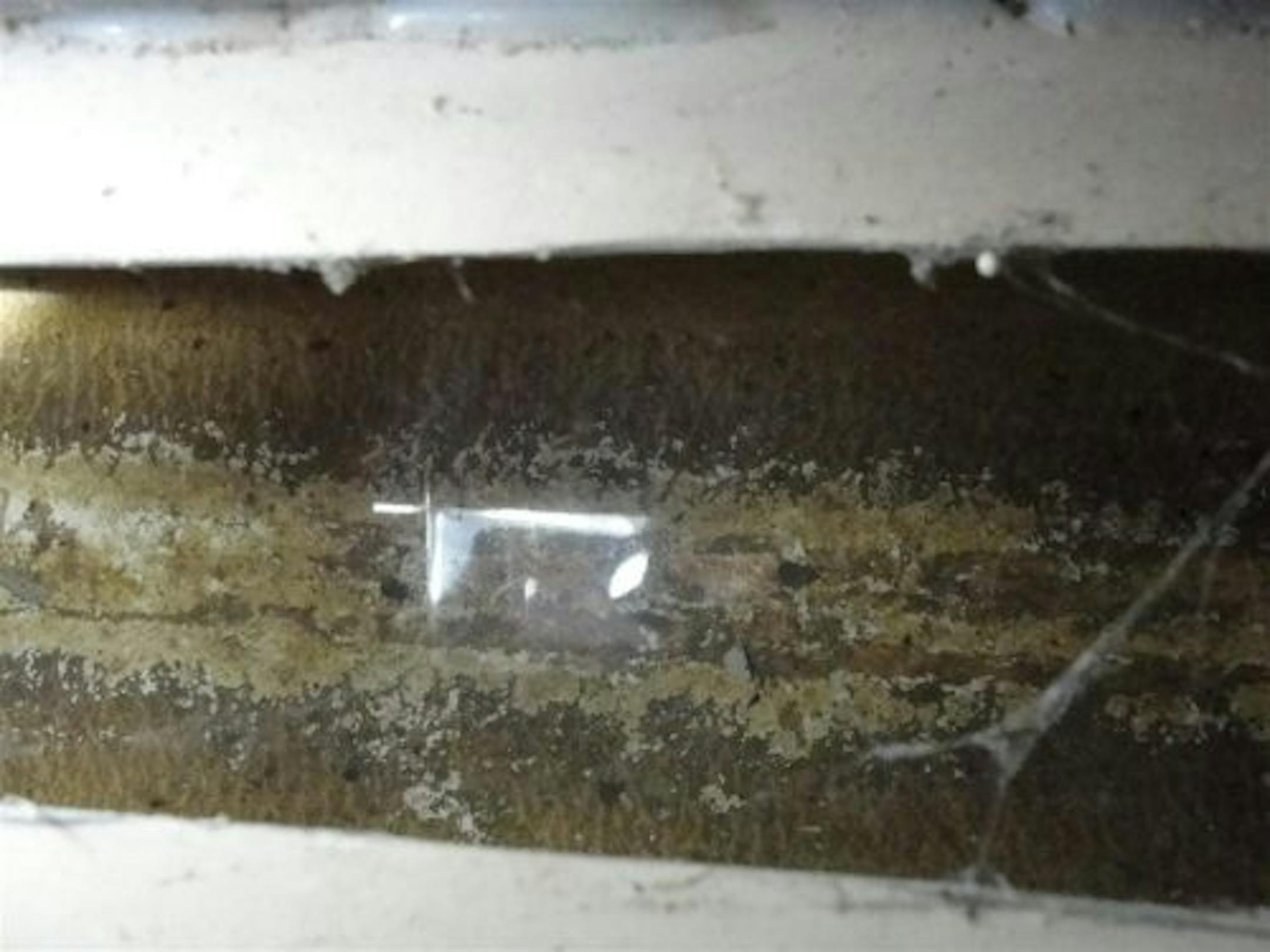
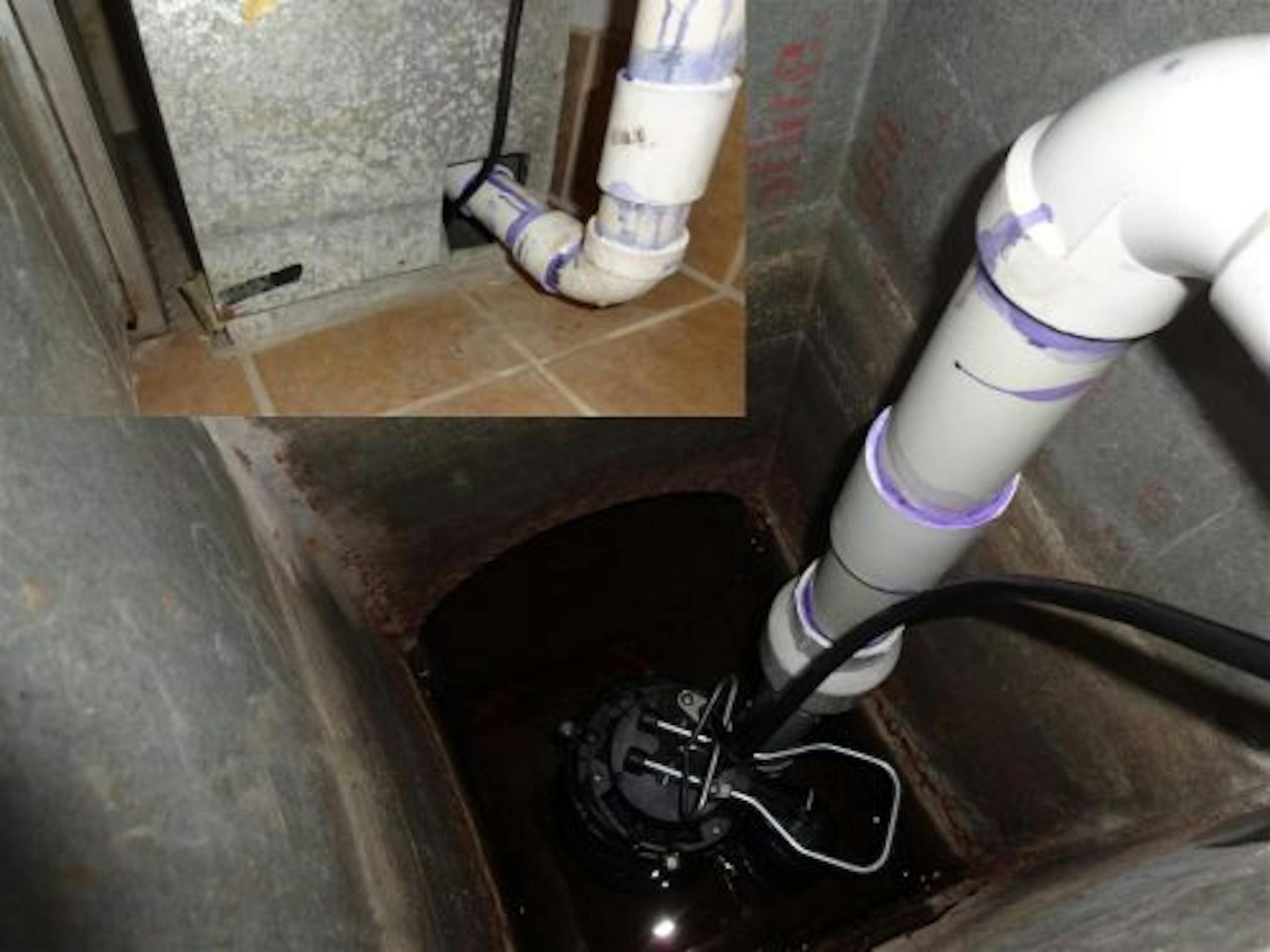
We've inspected a handful of homes with such serious ductwork problems that the homeowners have resorted to installing sump pumps inside of their return plenums. No joke. We've seen this done many times.
What to do
There are two basic methods for dealing with water in sub-slab ductwork; abandonment or repair.