Most teens know the main rule for protecting themselves on the Internet: "Don't post anything your parents wouldn't like." But is that really reality?
No. If every teen actually followed that rule, everyone would have a perfect online reputation.
For most teenagers, a bad representation means posting inappropriately with cursing, videos of fighting, half-naked photos and anything incriminating that involves drugs and violence. Some teens post things they shouldn't on purpose, simply because they want someone to look at it.
T.J. Neely, a former gang member in Minneapolis, said he used to post damaging information because he wanted the image of "a big dog who was down with anything." Now 25, he limits the number of friends in his network and only posts positive thoughts.
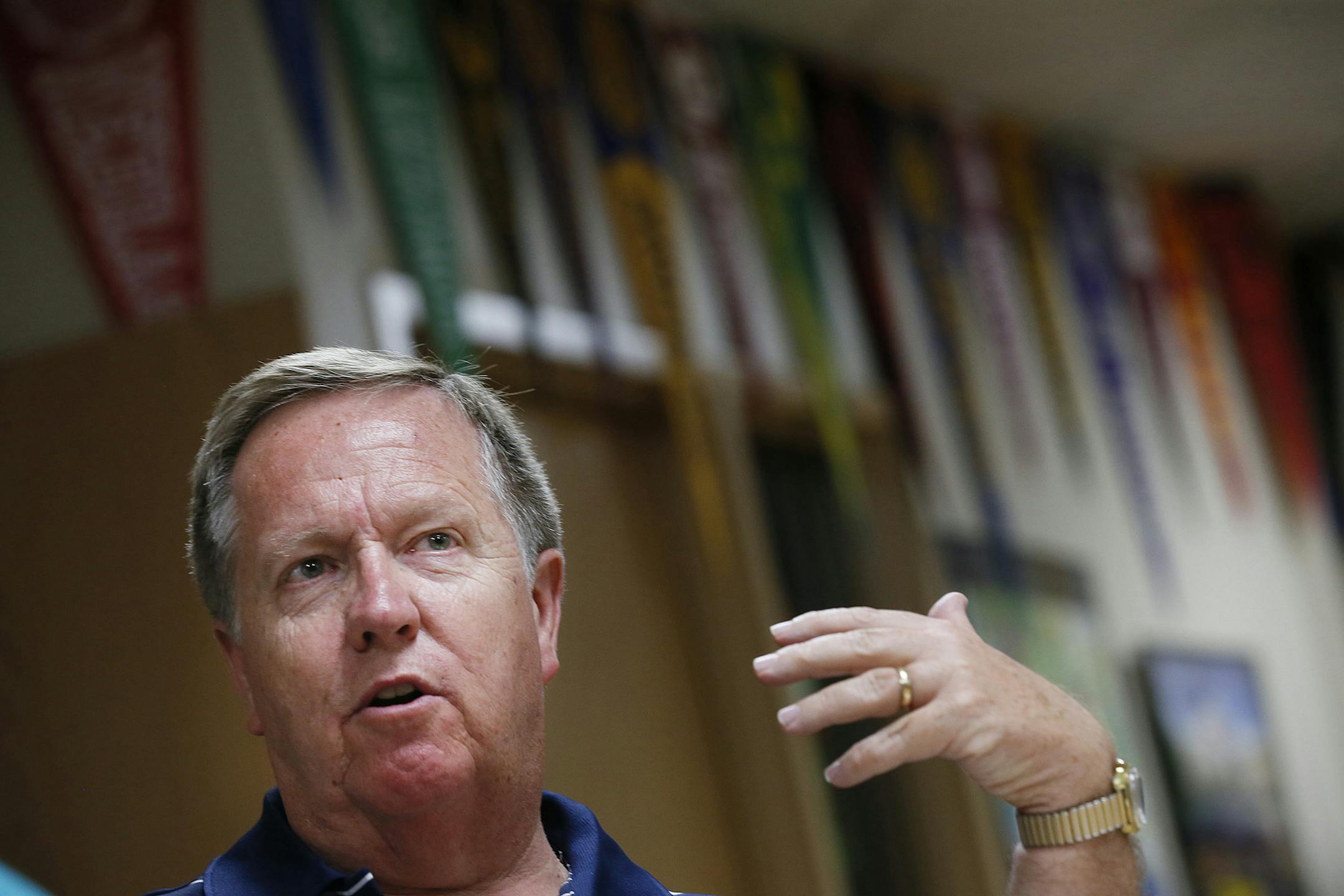
Phil Trout, a college counselor at Minnetonka High School, advises students beginning in grade 11 that they should have a professional-sounding e-mail address and a "Facebook page that's a good public relations statement about you."
However, many students don't follow his advice.
"In an emotional moment, they post something they'd like to have back," Trout said.
There are numerous examples of teens who've faced repercussions for what they've posted online. Mattayo Goodman, a freshman at North High School in Minneapolis, said his cousin posted a picture of himself pointing a gun, which resulted in expulsion from school for a year. On the beach at Lake Calhoun in Minneapolis, 15-year-old Hugh Cashman from Edina described a teen from his school who posted a picture of himself smoking with Rastafarians in Jamaica. The teen was suspended and kicked off a sports team.