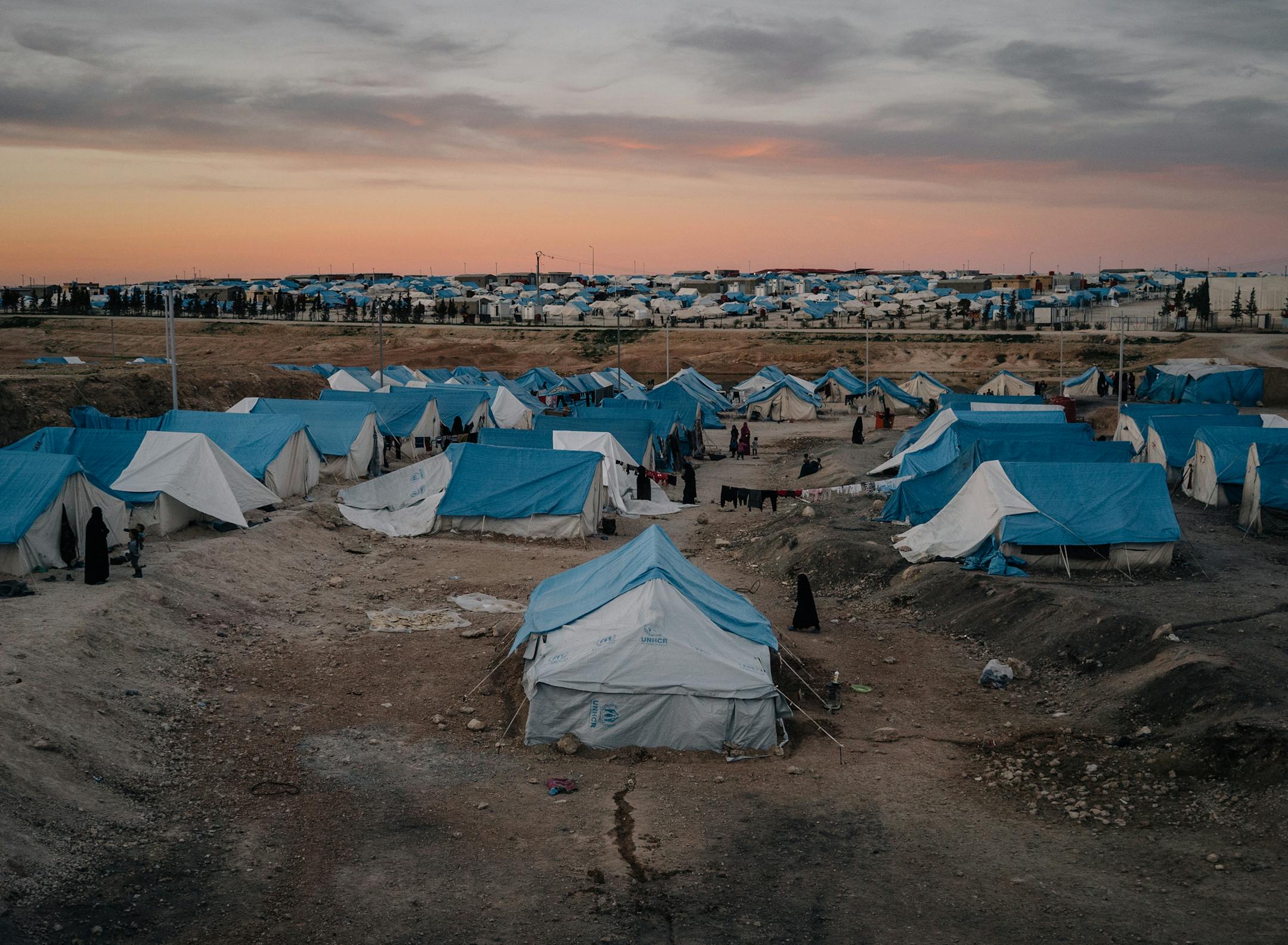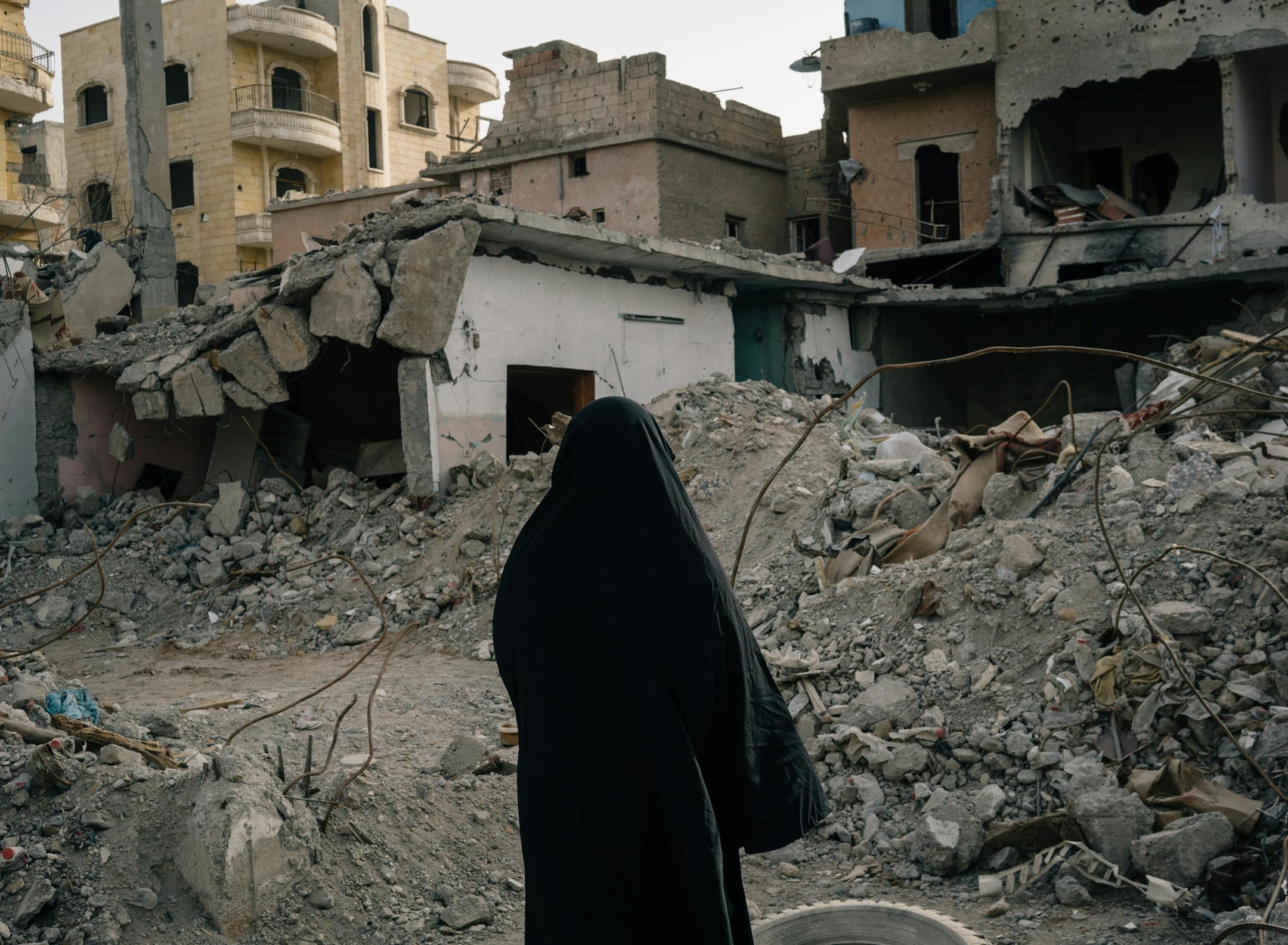
RAQQA, Syria – Every three or four days, Fatima Mahmoud hitchhikes 37 miles across a hilly expanse of northeastern Syria to her hometown of Raqqa. She comes to visit her husband's final resting place, beneath a large mound of concrete that once was their home.
She knows that he is still there because of the unmistakable odor of his corpse.
Mahmoud digs through the rubble with her hands, seeking artifacts of her life with him and anything of value she can sell to pay for food and her temporary shelter elsewhere in the province.
"My city has been liberated, but I can't live in it," she said, sobbing.
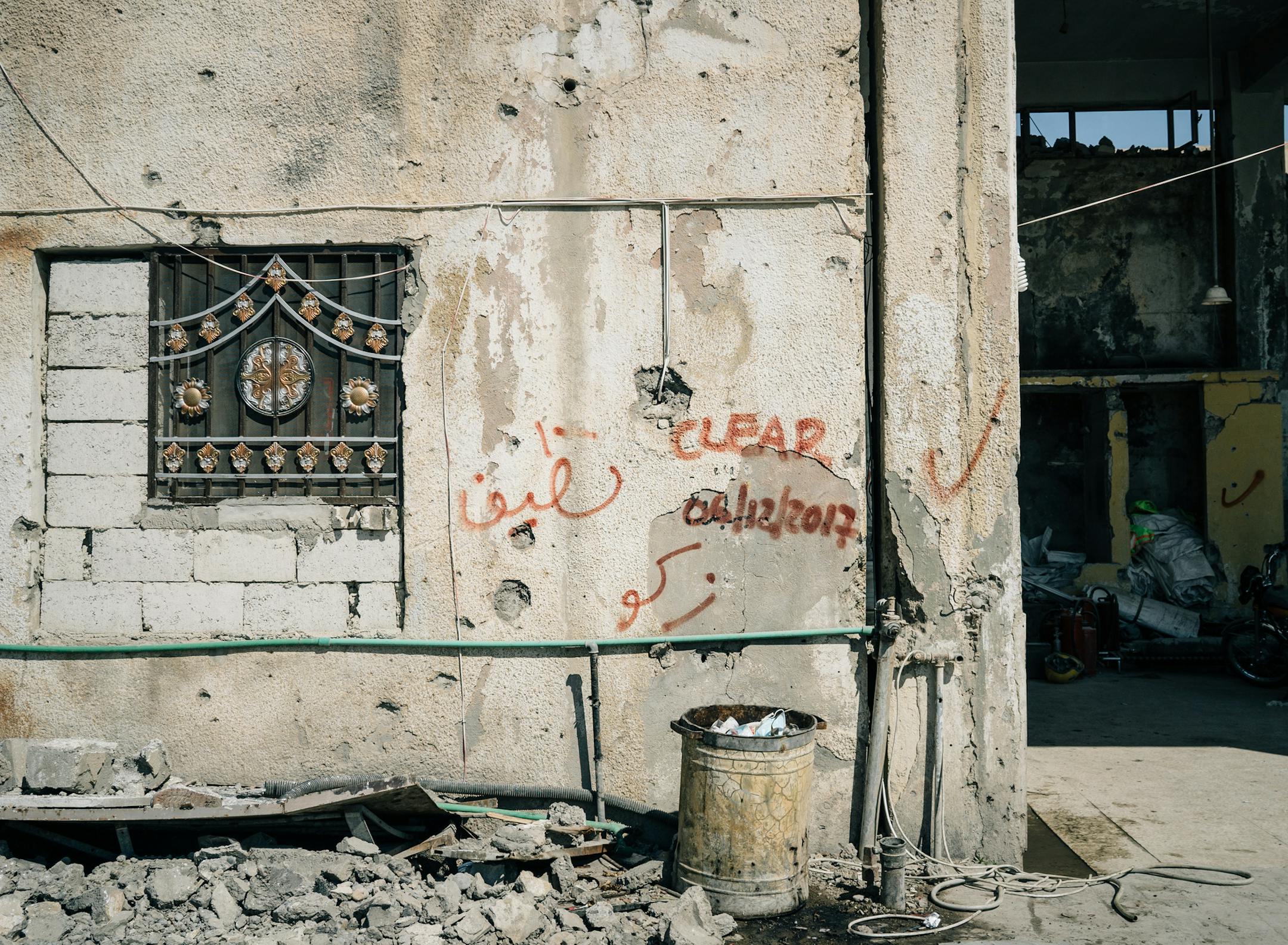
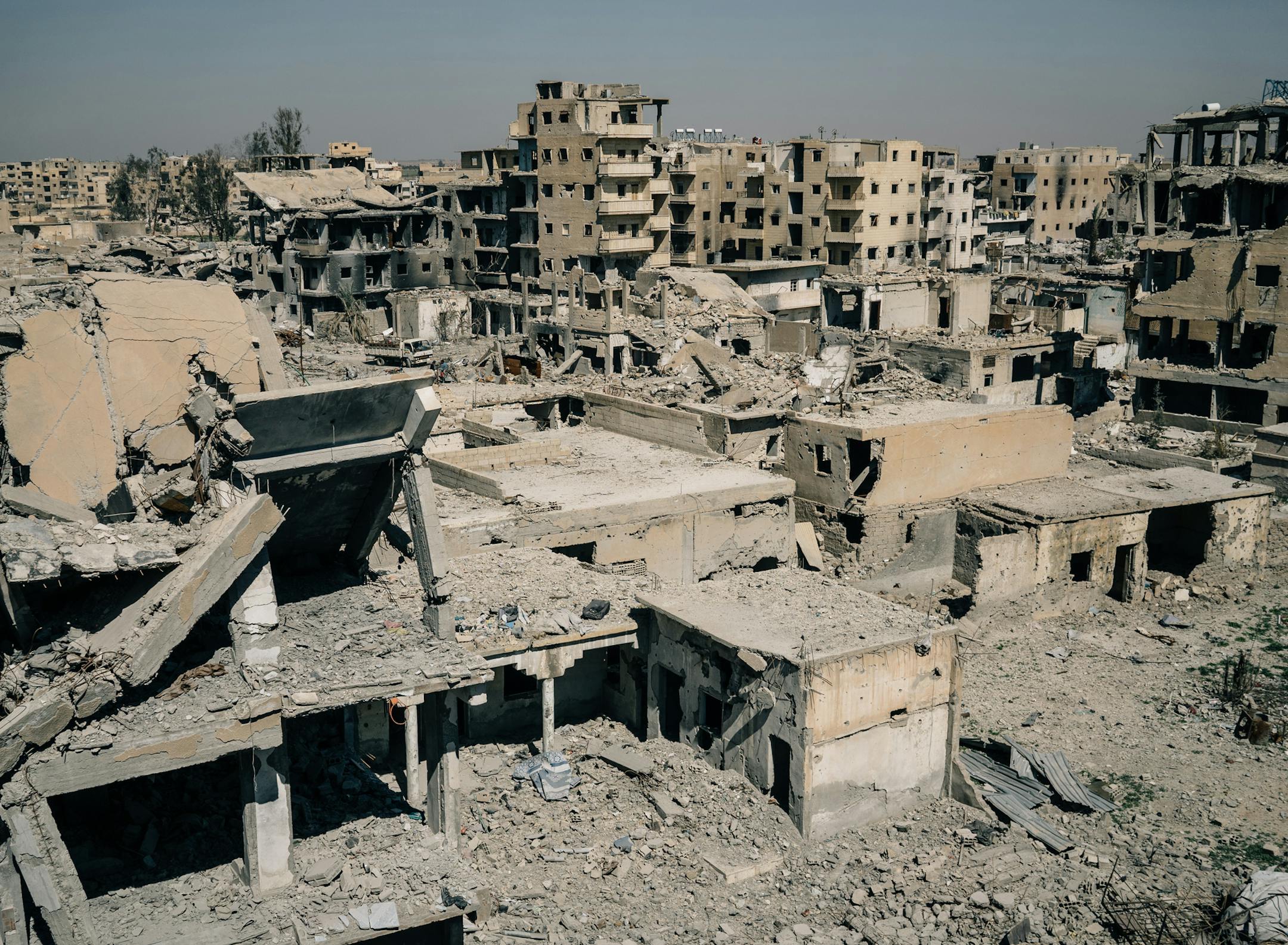
Six months after U.S.-allied forces backed by U.S. airstrikes evicted ISIS from its self-proclaimed capital, Raqqa is a city sown with rubble, explosives and an uneasy mixture of despair and determination to rebuild.
It is easier to count the buildings that are still standing than the ones that have been reduced to shattered concrete and twisted reinforced steel. Once home to about 400,000 people, many in high-rise apartments, Raqqa has become nearly unrecognizable to those who try to return and navigate its streets. Public squares are hidden underneath debris, and the tallest residential towers are mere rubble.
The city has no running water or electricity, and there aren't enough public employees to defuse the hundreds of explosives planted by the militants as they desperately clung to the city. People often encounter human remains as they take stock of what's left of buildings.
The destruction of Raqqa and its slow recovery are contributing to a growing sentiment here that the United States wrecked the city but is unwilling to take responsibility for putting it back together.